

Feminine Hygiene
5 Reasons to Use Menstrual Cups
Payal Bhattacharya
People have always only whispered about periods, reproductive health, and intimate hygiene. The hush that falls on us like a heavy blanket each time menstruation is discussed has been way too loud for a long time. However, more people are voicing their thoughts and opinions about what society thinks of that ‘must-not-be-named’.
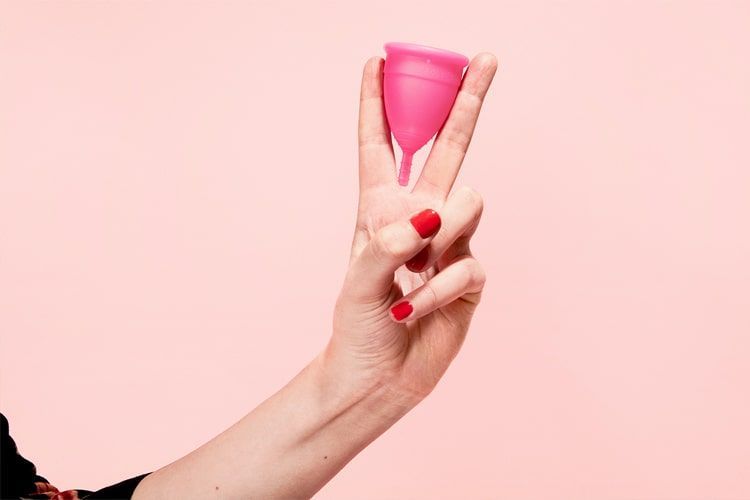
When it comes to menstrual products, most of us have always limited ourselves to sanitary pads, not really aware of the other menstrual products available in the market. But menstrual cups have also garnered significant attention recently, considering the fact how underrated they are. A small, flexible, funnel-shaped cup made of latex, rubber or silicone that fits right inside a vagina and helps you with your period? Now that definitely is the showstopper!
Menstrual cups have been around since the 19th century. However, the latest version was designed in 1937.
Wondering why you should switch to menstrual cups from pads or tampons?
Here are the top five reasons:
They Are Good For Vaginal Health.
One of the prime reasons why we use a menstrual cup is that it has no relation to Toxic Shock Syndrome. It also has antibacterial properties. Most menstrual products have chemicals to mask the period odor, but the same chemicals pose health risks to the ones using them. Since vaginal skin is thin, it can quickly absorb the toxic chemicals from tampons and cause health concerns like yeast infections, disruption to embryonic development, and abnormal tissue growth. Since vaginal health is extremely vital, the fewer the chemicals, the better it.
They Provide Leakage Protection.
Menstruation is natural, but it should not make you uneasy with the niggling fear of leakage. Why use menstrual cups? Because most cup users have certified that this product ensures there is no leakage for 8 to 12 hours. On the other hand, one needs to change pads or tampons every 4 to 6 hours.
They Help You Save Money.
People who menstruate spend thousands of rupees on period-related items like pads, tampons, panty liners, medication, new underwear when the old ones are soiled due to stains, etc. That is why menstrual cup use is better. Some menstrual cups can be used for a year, while others last for as long as five years, ensuring that we spend a lot less on menstrual products than usual.
They Are Eco-friendly.
The environmental impact that pads and tampons have is huge. Since menstruating women use 5000 to 14000 tampons in their lifetime, the menstrual waste produced per person is roughly 30 kg. That is also why menstrual cups are used more often now - to decrease the ecological footprint by a considerable degree.
They Cater to Individual Needs.
Why do we use menstrual cups when pads or tampons have been the norm? Well, sanitary napkins and tampons cannot accommodate fluctuating menstrual health needs, like unpredictable changes in flow, cramps, and the initial discomfort upon inserting new tampons. Menstrual cups are flexible, and most companies have special ones specifically for women who have given birth vaginally.
Overall, women who seek comfort during menstruation can switch to menstrual cups without a second thought, since these might be the best period product for you! However, women with imperforate hymen may face difficulties using insertable period products. For others, although changing your menstrual product may feel strange initially, you may never want to use a pad or tampon ever again once you realize how comfortable a cup is! After all, menstruation is no walk in the park, and a hassle-free period is all we want.
Read More :
- Beginner’s Tips For Using a Menstrual Cup
- Best Menstrual cup available in india
- Menstrual Cup Vs Pads
Latest Articles





About Payal Bhattacharya
Payal is an editor at Purplle.com. She believes that the world will be a much better place if everyone owns a cat, it’s bizarre but true. She’s very sensitive and particular about her skincare routines and never skips it even for a single day. She loves to read about intimate hygiene and educate herself about female and male personal care which clearly reflects in her writings.