

Health Guide
Amla Juice: Benefits, Uses and Side Effects
Sonal Trivedi
For ages, we Indians have helmed amla as the superfood beneficial for all health concerns. In ancient Ayurveda, amla juice was an elixir that could help treat or reduce the symptoms of all chronic ailments, and it is true in the modern day as well. So, let’s look at the benefits of amla juice and also understand what its overconsumption can result in.
Benefits of Drinking Amla Juice
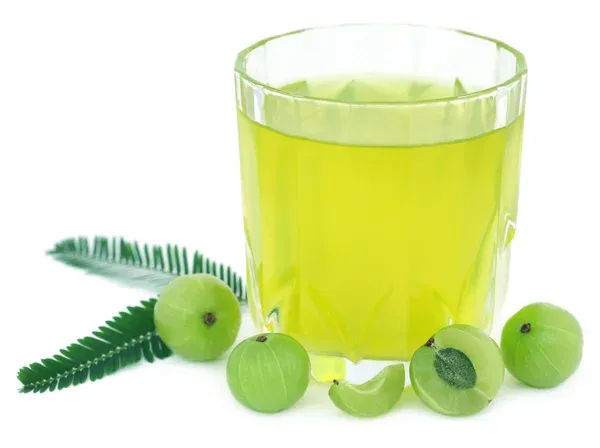
Also known as Indian Gooseberry, amla is not only an incredibly versatile food ingredient, but it is also a timeless superfood. The delicious and highly nutritious juice extracted from the tiny green amla fruits carries several health benefits. The incredible health benefits that you can reap after incorporating amla juice into your diet are:
1. Benefits of Amla Juice - Enhances Liver Health
Research suggests that amla juice could help improve liver function. Amla juice is a powerhouse of antioxidants and anti-inflammatory properties that benefit liver health. Regular consumption of amla juice is linked to the increasing levels of several essential metabolism proteins and reduced symptoms of fructose-induced fatty liver disease. Another study indicated that amla helped reduce extra body weight and fatty liver disease.
2. Benefits of Drinking Amla Juice - Supports Healthy Digestion
According to a few research studies, amla juice packs several health benefits for digestive health. It was found that people suffering from Gastroesophageal reflux disease had reduced severity of heartburn and regurgitation after taking amla extract tablets twice daily for a month.
Another study linked amla fruit with antidiarrheal properties that help prevent muscle spasms and treat stomach cramps and discomfort. Due to its antioxidant content, amla juice can also help prevent the occurrence of stomach ulcers.
3. Amla Juice Benefits for Hair - May Stimulate Hair Growth
It is often used to increase hair growth and protect hair fall. According to studies, a serum comprising amla extracts, selenium and coconut water led to significant hair growth when applied regularly. Research also states that amla blocks a specific enzyme involved in hair loss and stimulates hair growth by promoting the number of special cells in hair strands and follicles. While it is unclear whether amla juice could help with hair growth or not, it contains several nutrients that may be beneficial for hair, like antioxidants and vitamin C.
4. Benefits of Amla Juice - Improves Kidney Health
Amla extract has been known to preserve optimal kidney function and protect against kidney damage. It also helps reduce the age-induced kidney dysfunction caused due to oxidative damage. Amla juice has also been proven to be beneficial for kidney health, most likely due to the antioxidant contents present in it. Therefore, amla extract helps normalise kidney function and reduce the possibility of kidney toxicity.
5. Amla Juice for Weight Loss - Helps in Weight Loss
Amla and amla juice are also known to help with weight loss. They contain many nutrients that are good for the digestive system. And they also have many metabolism-boosting proteins and dietary fibre to make you feel fuller and boost the digestive system’s functioning.
Uses of Amla Juice
1. Uses of Amla Juice - Boosts Immunity
Amla juice is an excellent source of vitamin C, a water-soluble vitamin known for its antioxidant abilities. Besides protecting our body’s cells from reactive oxygen species and oxidative damage, vitamin C is also known to enhance immune system function by improving immune cell function. When consumed regularly, amla and amla juice are known to prevent the occurrence of certain types of infections and can even shorten the duration of your common cold.
According to research, amla juice has also been proven to reduce oxidative stress and damage caused by arsenic. However, the information available is not conclusive enough to prove its effects on the human immune system.
2. Uses of Amla Juice - Promotes Good Heart Health
There is ample research that can prove the benefits of consuming amla or amla juice for heart health. People who consume amla regularly have been linked to a reduced atherogenic index, a measure of the potential risk of excess cholesterol buildup in the arteries. Another study found that supplementing amla extract for 12 weeks improved several heart disease risk factors in overweight or obese adults. Plus studies also suggest that amla extract can help you reduce your blood pressure levels.
How to Make Amla Juice?
For making amla juice, you will require fresh amlas, honey or jaggery, ginger, fresh lemons and salt to taste. The preparation process of making amla juice for weight loss or enjoying its other benefits is as follows:
- Cut amlas into small pieces and mix with salt
- Let it sit for at least 2 hours
- Add the honey or jaggery to a pan and start the heating process
- Bring it to a boil to get a syrupy consistency
- Wash the salted amlas with fresh water and add them to the mixer
- Extract amla juice
- Repeat step 6 for ginger
- Mix the amla juice and ginger juice
- Squeeze fresh lemons in it
- Add the jaggery or honey syrup and store it in a glass bottle
According to experts, you must consume amla juice on an empty stomach for the best results. And you should add 5 parts water to 1 part amla juice that you made and stored, and sip it slowly.
Amla Juice Side Effects
While amla is generally a very healthful superfood and helps us control the factors of many chronic ailments, improper consumption can cause adverse effects. Some of the most commonly seen amla juice side effects are:
1. Hyperacidity – since amla contains high amounts of vitamin C in every fruit, it is pretty acidic. So, while it is generally prescribed as a detoxification remedy, it can often trigger hyperacidity in many people. Therefore, if you have a history of hyperacidity, you must consult your doctor before adding this ingredient to your diet.
2. Constipation – If you consume amla in high quantities, it can lead to the hardening of your stools and is said to be a natural remedy for constipation. And, if you drink fewer amounts of water, the condition can get further worse. Therefore, you must consume amla and amla juice with adequate water intake.
3. Allergies – A person allergic to amla might experience stomach cramps, vomiting, redness, abdominal pain, obstructed breathing etc. In rare cases, people can also experience increased bleeding on amla consumption. So, if you face any of the symptoms mentioned above, you should stop consuming amla or amla juice.
This is everything you should know about amla juice consumption and the health benefits and side effects that come with it. You can consume amla juice orally or apply it topically to reap the amla juice benefits for hair. If you have any preexisting medical conditions, please consult your doctor before adding the ingredient to your diet.
Read More - Health Benefits of Green Tea
Latest Articles










About Sonal Trivedi
Sonal is a sub-editor at Purplle.com. Besides having a flair for writing, she enjoys binge-watching true crime shows and cooks the best mutton biryani among everyone she knows. Her expertise lies in hair care as she’s always trying out some home remedies or experimenting with new launched products. She’s also an expert in beauty for men and talks about everything that guys need for their skin, hair and personal care. She writes about the tried and tested methods from her hair care routine which can never go wrong.