

Ingredient in Focus
Argan Oil Uses and Side Effects
Purplle Squad
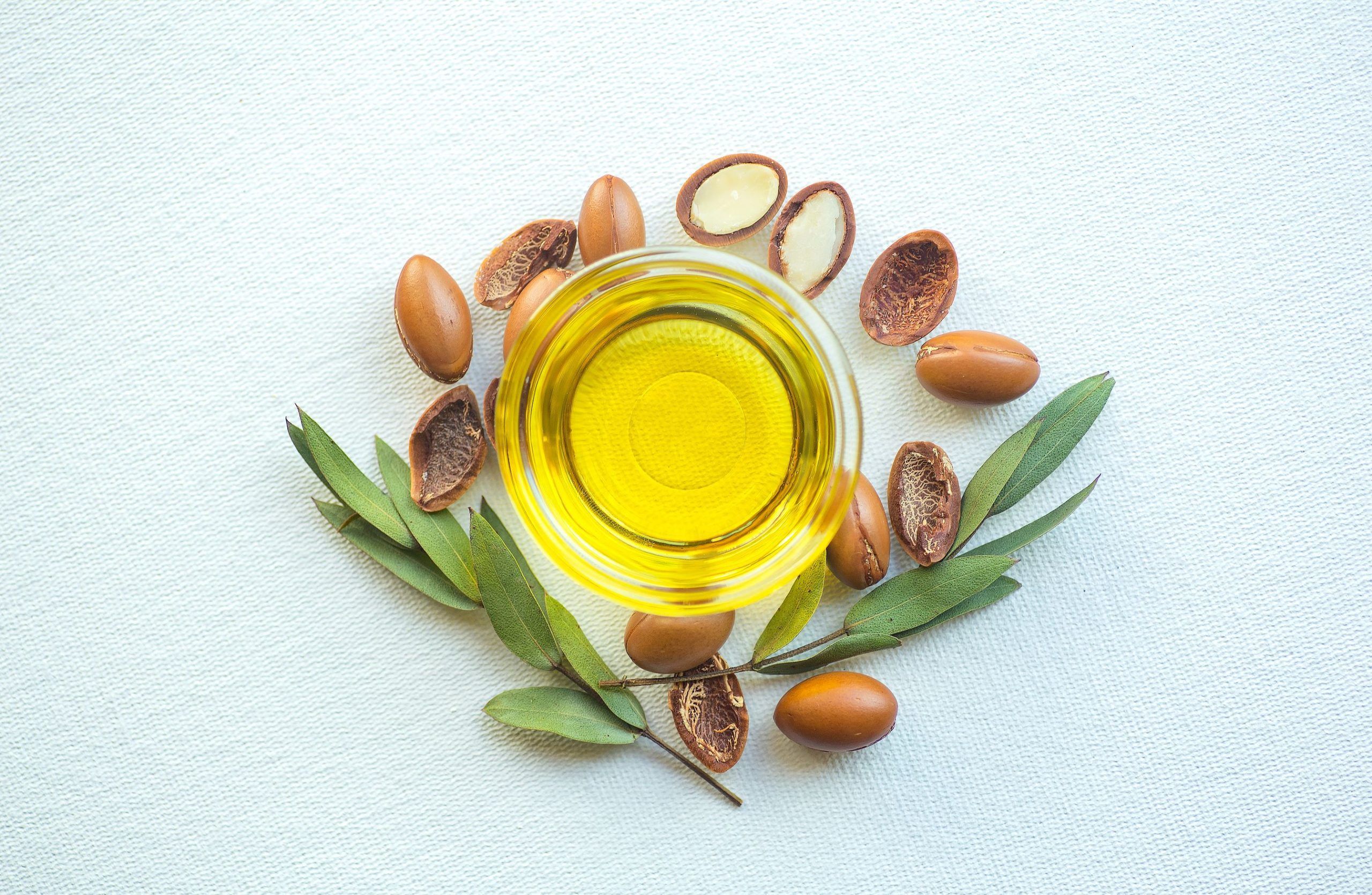
Argan oil is a popular beauty and culinary ingredient that is made from the nuts of the argan tree, which is native to Morocco. Did you know that -
1. It's nicknamed "liquid gold" - This is because of its rich golden color and its many benefits for both the skin and hair.
2. It's high in antioxidants - Argan oil contains high levels of vitamin E, which is a powerful antioxidant that helps to protect the skin from damage caused by free radicals.
3. It's sustainably sourced - The production of argan oil supports the employment of women's cooperatives in Morocco, which helps to promote sustainable economic development in the region.
4. And finally that it's been used for centuries - Argan oil has been used for centuries in Morocco for its many health and beauty benefits, and has recently gained popularity around the world.
The growing craze for argan oil is justified. It is:
1. Rich in Nutrients: Argan oil is packed with nutrients, including vitamin E, essential fatty acids, and antioxidants. These nutrients help to nourish and protect the skin and hair.
2. Moisturizing: Argan oil is an excellent moisturizer for the skin and hair. It penetrates deep into the skin and hair shaft, providing long-lasting hydration.
3. Anti-Aging Properties: Argan oil is rich in antioxidants that help to protect the skin from free radical damage, which can cause premature aging.
4. Anti-Inflammatory: Argan oil has anti-inflammatory properties that can help to soothe irritated skin and reduce redness.
5. Versatile: Argan oil can be used for a variety of purposes, from moisturizing the skin and hair to cooking and seasoning food.
Argan oil has been used for centuries in Morocco, and it is said that queens and princesses of the region were among its earliest and most dedicated users. They used it for their haircare, skincare, nailcare, and body care.
Argan Oil Skincare Uses
1. Moisturizer: Argan oil is a great natural moisturizer for the skin. Its rich composition of fatty acids and vitamin E helps to nourish and hydrate the skin, leaving it soft and smooth.
2. Acne Treatment: Argan oil can be used as a spot treatment for acne-prone skin. Its anti-inflammatory properties can help to reduce redness and inflammation, while its moisturizing properties can prevent the skin from drying out.
3. Stretch Marks and Scars: Argan oil can help to reduce the appearance of stretch marks and scars. Its vitamin E content can help to boost collagen production and improve skin elasticity.
4. Cuticle Oil: Argan oil can be used as a natural cuticle oil to moisturize and soften the cuticles, promoting healthy nail growth.
5. Lip Balm: Argan oil can be used as a natural lip balm to soothe dry and chapped lips.
Argan Oil Haircare Uses
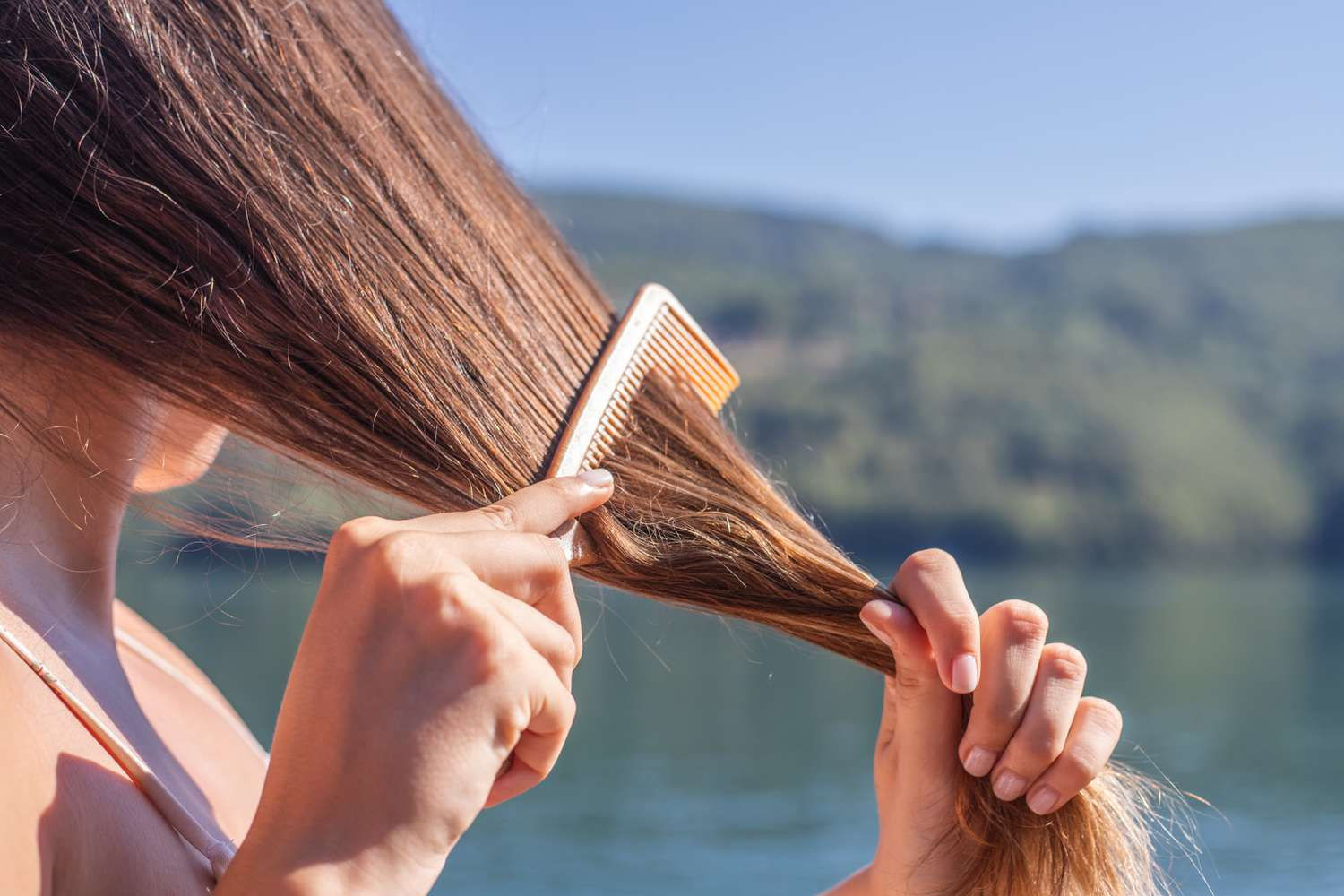
1. Conditioner: Argan oil is a great natural conditioner for hair. Its high concentration of fatty acids and vitamin E can help to nourish and hydrate the hair, leaving it soft, shiny, and manageable.
2. Hair Mask: Argan oil can be used as a hair mask to deeply nourish and repair damaged hair. Simply apply a generous amount of oil to the hair and leave it on for 30 minutes to an hour before washing it out.
3. Frizz Control: Argan oil can help to control frizz and flyaways, leaving hair looking smooth and sleek.
4. Heat Protectant: Argan oil can be used as a natural heat protectant to prevent damage caused by styling tools like flat irons and curling wands.
5. Scalp Treatment: Argan oil can be used as a scalp treatment to soothe and moisturize a dry and itchy scalp. Its anti-inflammatory properties can help to reduce scalp irritation and flakiness.
6. Hair Growth: Argan oil can help to promote hair growth by nourishing the hair follicles and improving blood circulation to the scalp.
Use of Argan Oil for Cooking
1. Choose high-quality argan oil: Look for 100% pure, organic, and unrefined argan oil for the best flavor and health benefits.
2. Use in moderation: Argan oil has a strong, nutty flavor, so a little goes a long way. Start with a small amount and adjust to taste.
3. Use in low-heat cooking: Argan oil has a low smoke point, so it is best used in low-heat cooking methods such as sautéing, stir-frying, or as a finishing oil.
4. Pair with other ingredients: Argan oil pairs well with ingredients such as grilled vegetables, roasted meats, and salads. It also adds a delicious flavor to sauces and marinades.
5. Store properly: Store argan oil in a cool, dark place away from heat and light to prevent oxidation and rancidity.
Side Effects of Argan Oil
1. Allergic reactions: Some people may be allergic to argan oil. If you develop symptoms such as rash, itching, redness, or swelling, stop using argan oil and seek medical attention.
2. Skin irritation: In rare cases, argan oil may cause skin irritation, especially if you have sensitive skin or if you use too much of it. Symptoms may include redness, itching, and burning.
3. Digestive problems: Consuming large amounts of argan oil may cause stomach upset, nausea, or diarrhea.
4.. Interaction with medications: Argan oil may interact with certain medications, such as blood thinners and cholesterol-lowering drugs. If you are taking any medications, talk to your healthcare provider before using argan oil.
5. Nut allergy: Argan oil is derived from the nuts of the argan tree, so people with nut allergies should avoid using it.
Frequently Answered Questions
Q1. What makes argan oil unique compared to other oils?
A1. Argan oil is unique because it is rich in tocopherols (vitamin E), phenolic compounds, and unsaturated fatty acids, such as oleic and linoleic acids. These nutrients provide antioxidant, anti-inflammatory, and moisturizing benefits to the skin and hair.
Q2. Can argan oil be used as a natural makeup remover?
A2. Yes, argan oil can be used as a natural makeup remover. Its gentle formula helps to remove even the most stubborn makeup without stripping the skin of its natural oils. Simply apply a few drops of argan oil to a cotton pad and gently massage over the face to remove makeup.
Q3. How can argan oil benefit curly hair?
A3. Argan oil can benefit curly hair by adding moisture, reducing frizz, and defining curls. Its lightweight formula helps to nourish and protect hair without weighing it down. To use argan oil on curly hair, apply a small amount to damp hair and style as usual. Alternatively, you can use argan oil as a leave-in treatment to hydrate and nourish hair overnight.
Read More : Argan Oil: The Miracle Oil And Its Wonder On Skin
Latest Articles




About Purplle Squad
Purplle Squad