

Ask an Expert
Benefits Of Lactic Acid Peels
Payal Bhattacharya
What Are Lactic Acid Peels?
We now use active ingredients and chemicals as part of our skincare regimen. One such component is lactic acid which occurs naturally in the human body and in many fermented foods. It is a naturally occurring AHA (alpha hydroxy acid) obtained from organic sources, particularly dairy items such as sour milk, cottage cheese, and curd.
Lactic acid is the gentlest chemical exfoliator and is suitable for all skin types, especially delicate skin. It is an alpha hydroxy acid (AHA) and humectant derma agent commonly used for anti-ageing, discolouration, irritation, and breakouts.
As lactic acid is an AHA, it is water-soluble and provides several skin advantages. Lactic acid peel treatment also improves the absorption of other skincare compounds, making them highly efficacious. The component is an underrated gem that may gradually enhance your skin's smoothness and texture.
Unfortunately, unlike various nutrients that can be consumed and have significant benefits on the skin, eating a massive amount of cheese will not accomplish the task. Furthermore, because lactic acid is generated from dairy, persons who are allergic to milk should refrain from using this AHA.
How Lactic Acid Peel Benefits The Skin?
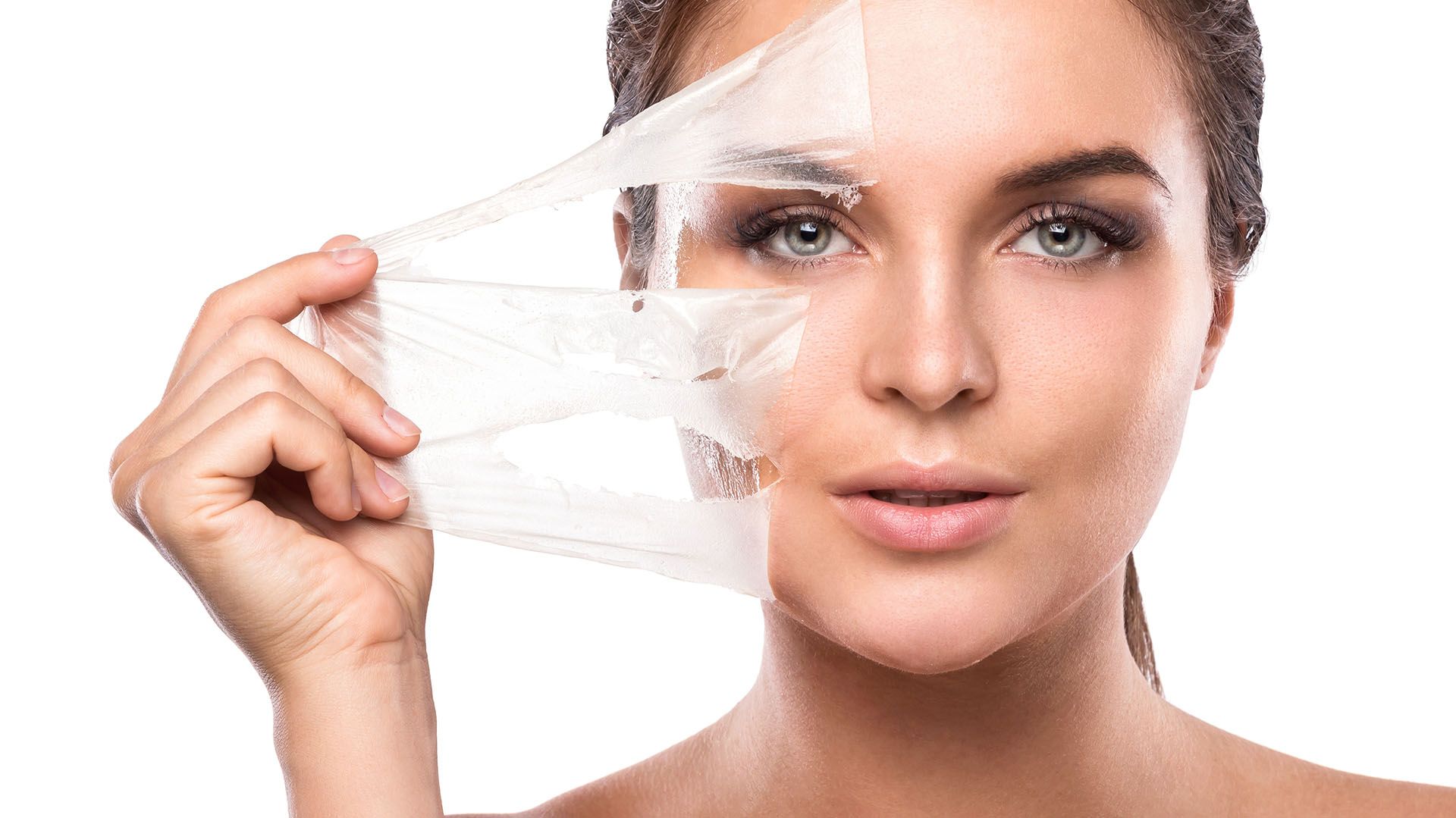
An acidic substance, such as lactic acid, is applied to bare skin as part of a chemical peel process. It is used to eliminate the outermost layer epidermis. Some stronger solutions may also address the skin's deeper layers.
Due to its gentleness, lactic acid peels are ideal for those with delicate skin. People with greasy or flaking skin might also benefit from a lactic acid peel.
1. Exfoliation:
Despite being a chemical exfoliator, it exfoliates the skin without triggering sensitivity or erythema, making it suited for all skin types. It exposes a healthier, more even-toned complexion with a better texture. Lactic acid detoxifies the texture of your skin by dissolving the substance that keeps dead skin cells together. This procedure sheds dead skin cells, revealing a new layer of attractive, luminous, flawless skin.
To achieve radiant skin devoid of roughness and pimples, swipe some lactic acid around your face. You may use this characteristic to treat keratosis pilaris, often referred to as strawberry legs.
2. Hydration:
It is unusual for an exfoliator to rehydrate and moisturise the skin. This distinguishes lactic acid from other chemicals. It draws hydration and makes skin soft since it is a humectant.
Lactic acid also encourages better and healthier lipids, which increases the skin's natural capacity to retain natural moisture. It is a prominent moisturiser in skin care products, making it an excellent choice for people with dry and flaky skin.
3. Controls Acne:
Lactic acid contains antimicrobial qualities that aid in preventing infectious agents and pimple-causing microorganisms. It has a high level of effectiveness for reducing acne when used in moderate amounts. It also removes dead skin, which can lead to breakouts if it accumulates.
Lactic acid is keratolytic, which may break down dry skin on the top layer of skin and unclog any blocked pores. Lactic acid used topically over a long period has been evaluated as a potential acne vulgaris prevention measure.
4. Minimise Age Spots and Fine Lines:
Lactic acid stimulates collagen formation, making the skin smoother, younger, and softer. As a result, creases and imperfections become less visible. These numerous advantages encompass speeding skin cell regeneration and moisturising freshly exfoliated skin.
The amalgamation of rejuvenated skin cells and more moisturised skin is essential for minimising preexisting fine lines and wrinkles and preventing future ones from emerging.
5. Increases Product Absorption:
Lactic acid exfoliant eliminates surface-layer dead skin cells, speeding up skin cell regeneration and better absorption of additional skin care components.
After removing all the dead skin, subsequent moisturisers will work more effectively, penetrate the skin more deeply, and produce better results more quickly. In a nutshell, lactic acid boosts the effectiveness of your other skin care products.
Safety Tips To Keep In Mind:
- The lactic acid peel with a 40% intensity is suitable for regular skin that requires some refining. This is also the optimal dosage for rehydrating dry or parched skin.
- The most intensive 50% is beneficial to the elderly skin and helps decrease fine lines and wrinkles.
- A 30% exfoliant is appropriate for delicate, acne-prone, and oily skin.
- Individuals who've never utilised a peeling solution before should opt for the 30% lactic acid peel since it is an excellent "beginning" peel.
- Once they are confident their skin can withstand it, they can switch to a peel with a slightly high proportion.
Lactic Acid Peel Advantages
Lactic acid removes dead skin cells and helps to accelerate cell renewal and regeneration. It can significantly improve indications of ageing by encouraging collagen regeneration when administered regularly. It is also the chief component in products designed to treat keratosis pilaris.
This great substance is also used to heal eczema, psoriasis, and rosacea. Since there are some significant adverse effects, you should consult your doctor before incorporating them into your regimen.
Lactic Acid Peel Disadvantages:
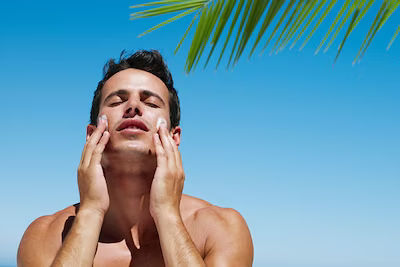
Despite being one of the milder AHAs, it is pretty effective. One of the disadvantages is that it might make your skin sun-sensitive. This is because the young cells are more susceptible to UV radiation. Whenever you begin taking this therapy, you must pledge to wear sunblock regularly.
This therapy can produce skin inflammation, including erythema, blistering, flaking, roughness, itching, puffiness, and sun sensitivity. Though minor occurrences of these aggravations are usual when you initially start using the product, if they continue or become more intense, you should wash the product immediately.
Takeaway:
A gentle chemical peel made from lactic acid might help balance out the tone of your complexion. It can assist with age spots, melasma, rough texture, and fine wrinkles.
Frequently Asked Questions:
Q. Why is it necessary to wear sunscreen after lactic acid treatment?
Despite its gentler form, lactic acid is still a potent AHA. Because of the "peeling" impacts, your skin will be more sensitive to the sun's ultraviolet (UV) radiation. Wear sunscreen in the early hours and replenish it as required during the day.
Unprotected solar contact can cause additional sun damage and significant harm over time. It may potentially raise your chances of developing skin cancer.
Q. Are there any probable side effects?
Lactic acid treatments can induce itching, redness, and discomfort. These side effects are often minor. If your adverse effects linger after the first few treatments, stop using the product and check with your doctor.
Q. Who should not use it?
You should not use a lactic acid peel if you have conditions such as eczema, psoriasis, or rosacea.
Chemical peels might raise your risk of hyperpigmentation. Hence, if you have darker skin, see your physician or dermatologist before using this product.
Q. What is the average lactic peel price?
Prices may vary depending on the experience and credentials of the individual doing the process, the set of chemical peels used, and the amount of effort and time it takes for the treatment. According to 2020 figures, a lactic peel's average price is $519.
Read more:
- Benefits of Kojic Acid in skincare
- Best Salicylic Acid Skincare Products You Must Try
Latest Articles




About Payal Bhattacharya
Payal is an editor at Purplle.com. She believes that the world will be a much better place if everyone owns a cat, it’s bizarre but true. She’s very sensitive and particular about her skincare routines and never skips it even for a single day. She loves to read about intimate hygiene and educate herself about female and male personal care which clearly reflects in her writings.