

Ingredient in Focus
Benefits of using jojoba oil
Payal Bhattacharya
You must have heard all the buzz about the numerous benefits of jojoba oil. Want to know more about it? Well, you’ve come to the right place! The best way to get rid of all your troubles is to turn to nature. While there may be several artificial products and treatments that will give you quick results; however, in the long run, natural products will keep your skin nourished and healthy. Jojoba oil is one such natural product that is a solution for many skin and face concerns. It has been used for centuries by the Native Americans as a way to heal and protect the skin. The beauty industry has discovered the many benefits of jojoba oil, offering it on its shelves at high prices and costing upwards of $100 an ounce. But don't be fooled! Jojoba oil can be found in your local grocery store for a fraction of the price. And it's just as effective as its pricier counterparts.
First things first! - What is Jojoba Oil?
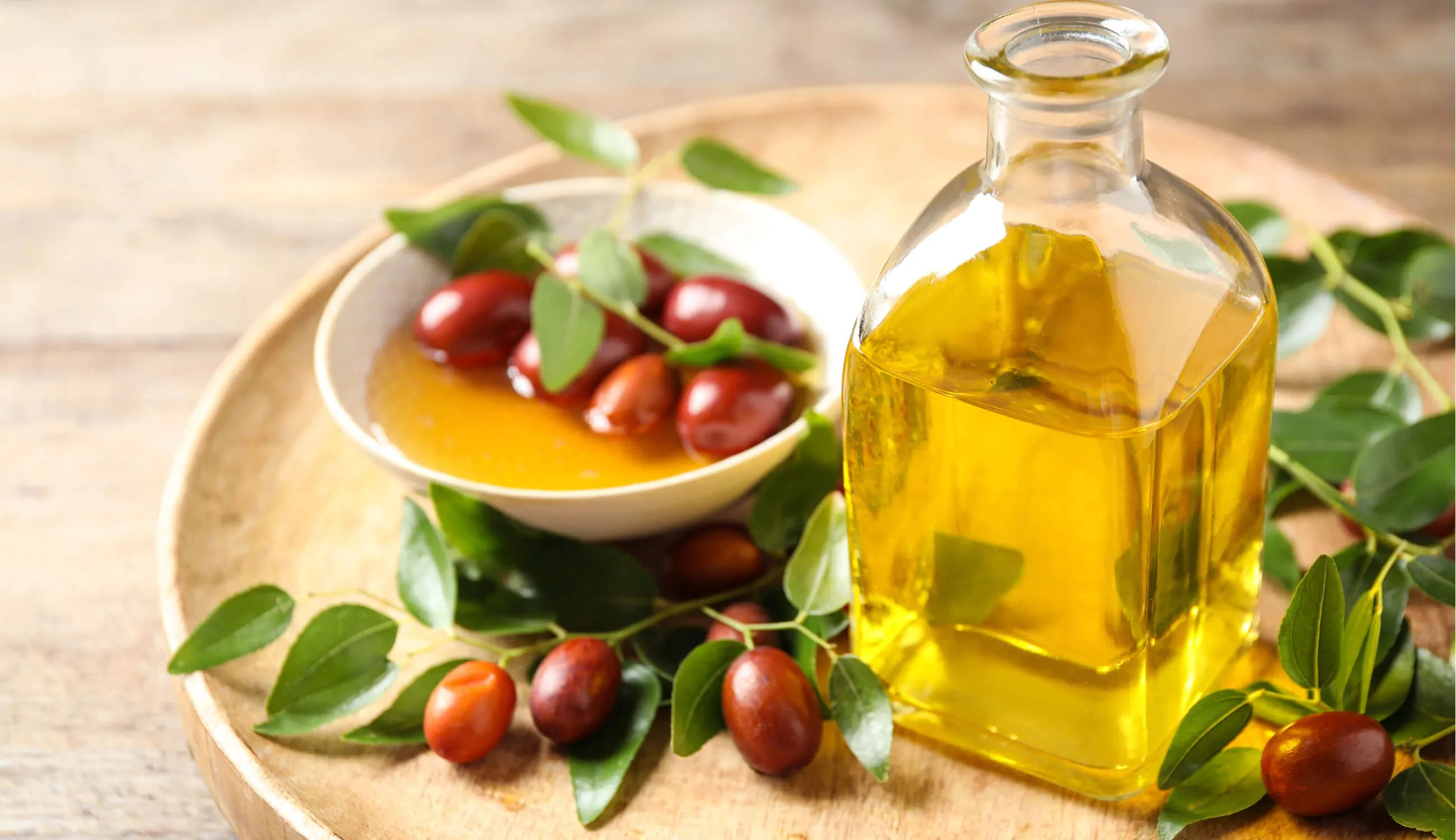
Jojoba is a plant oil that comes from the Simmondsia Chinensis seeds (jojoba bean). It is more stable than most oils and has a very similar look and feel to human sebum, which means it can be used for all skin types. Jojoba oil hair and skin benefits are innumerable. Not only does it possess cosmetic benefits, but it also has medicinal properties. Jojoba oil is naturally vitamin E-rich and contains antioxidants that are important for fighting free radicals, which can accelerate the ageing of the skin. It also moisturizes your skin without clogging your pores or leaving a greasy feeling. Jojoba oil works as an insect repellent, especially against ticks and mosquitoes. You can use it as an aftershave to prevent razor burn or as an eye makeup remover.
Diving a little deep - Know the various Jojoba oil hair and skin benefits:
JOJOBA OIL SKIN BENEFITS
1. Smooths out wrinkles
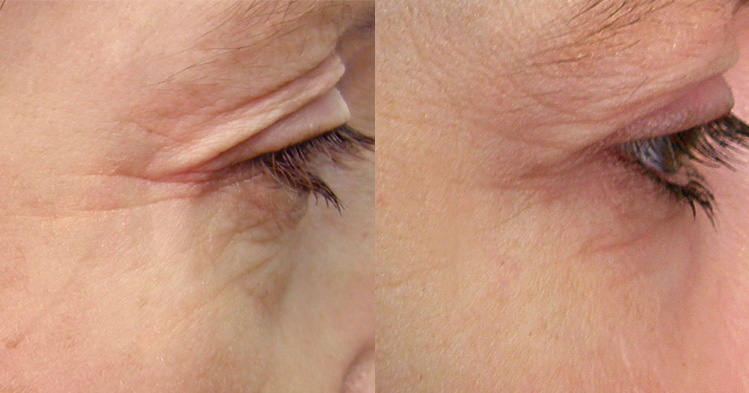
Jojoba oil is a multipurpose natural beauty product that can be used to help so many different types of skin. The essential fatty acids in jojoba oil moisturize the skin and offer powerful antioxidants to help the skin maintain its youthful appearance. The antioxidants also help your skin to retain moisture and elasticity, smoothing out wrinkles.
2. Retains moisture in your skin

You can use jojoba oil as a moisturiser for all your skin types including sensitive and dry skin. As an oily skin type, the oil content is high enough to provide hydration and leave the skin well moisturised. Jojoba oil is rich in fatty acids, vitamins, and minerals, so it provides moisturising benefits for your face and hair.
3. Eliminates acne and scars

Jojoba oil contains antibacterial properties, which help fight against acne-causing bacteria. Applying this oil every day will significantly reduce acne without causing a greasy feeling. Since it contains antioxidants & linoleic acid, the oil provides a natural whitening effect on the skin, allowing you to minimize the appearance of scarring from acne or other wounds.
4. Has anti-inflammatory properties
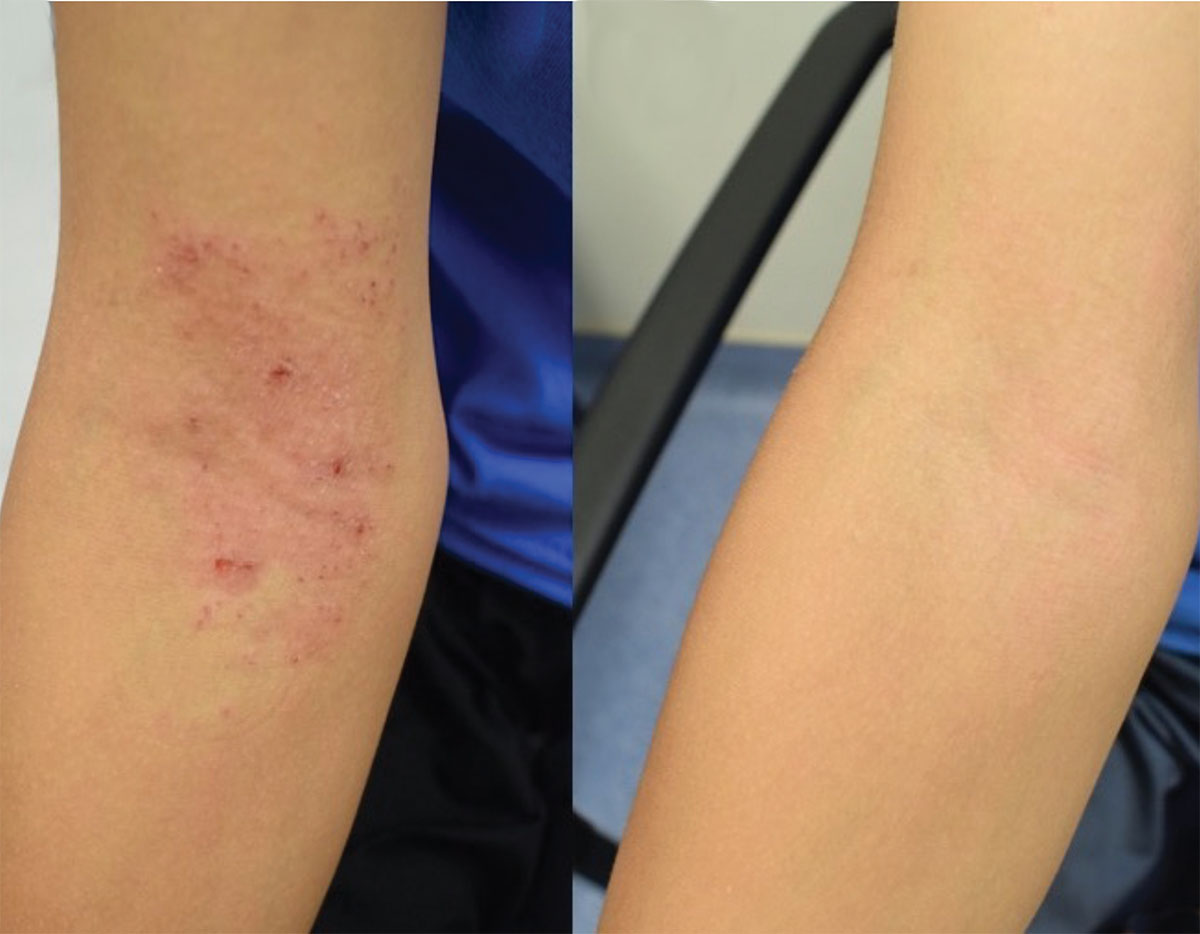
The jojoba oil contains vitamins A, E, and C, and is known for its anti-inflammatory properties. As an antimicrobial, it fights off germs and bacteria, leaving the skin feeling well hydrated and happy. To treat skin conditions such as eczema, mix the oil with a little coconut oil and apply it to the affected areas. It helps to relieve dry, itchy skin and nails as well, especially in achy and dry winter skin.
BENEFITS OF JOJOBA OIL ON HAIR
1. Moisturises your hair
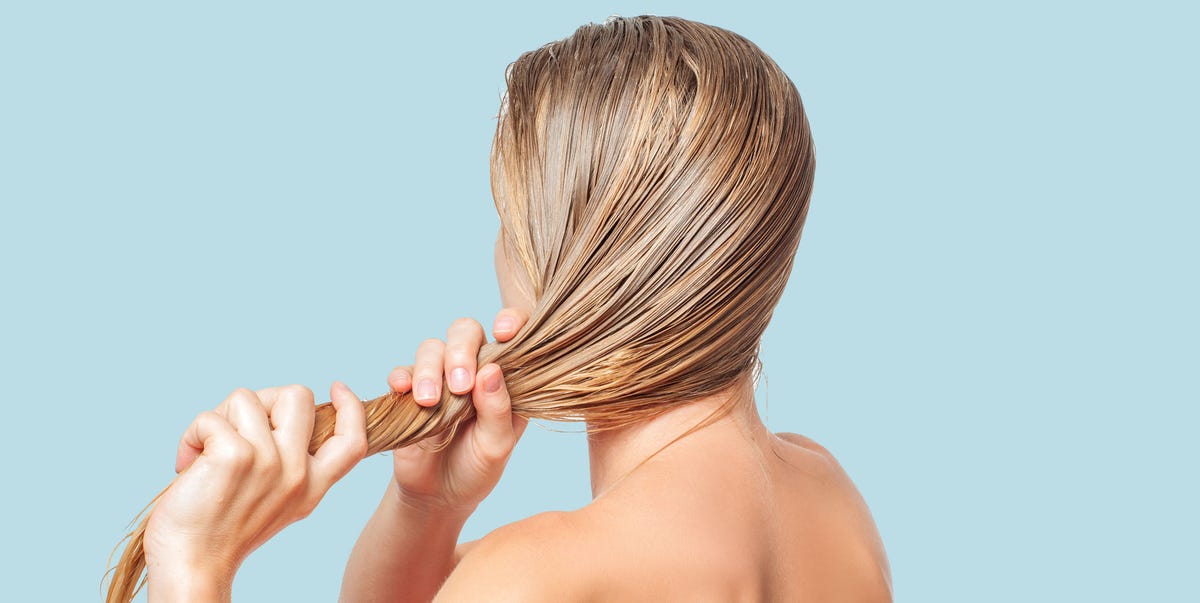
The fatty acids and vitamins add to the moisturising quality of jojoba oil. Massaging the oil, the first thing after having washed your hair will help to nourish your strands and treat your dry scalp.
2. Promotes hair growth

As jojoba oil is rich in vitamins B, E and several minerals, they promote hair thickness and growth. The oil also has essential minerals such as zinc and copper, that add to the thickness and strengthening of hair strands.
3. Prevents split ends
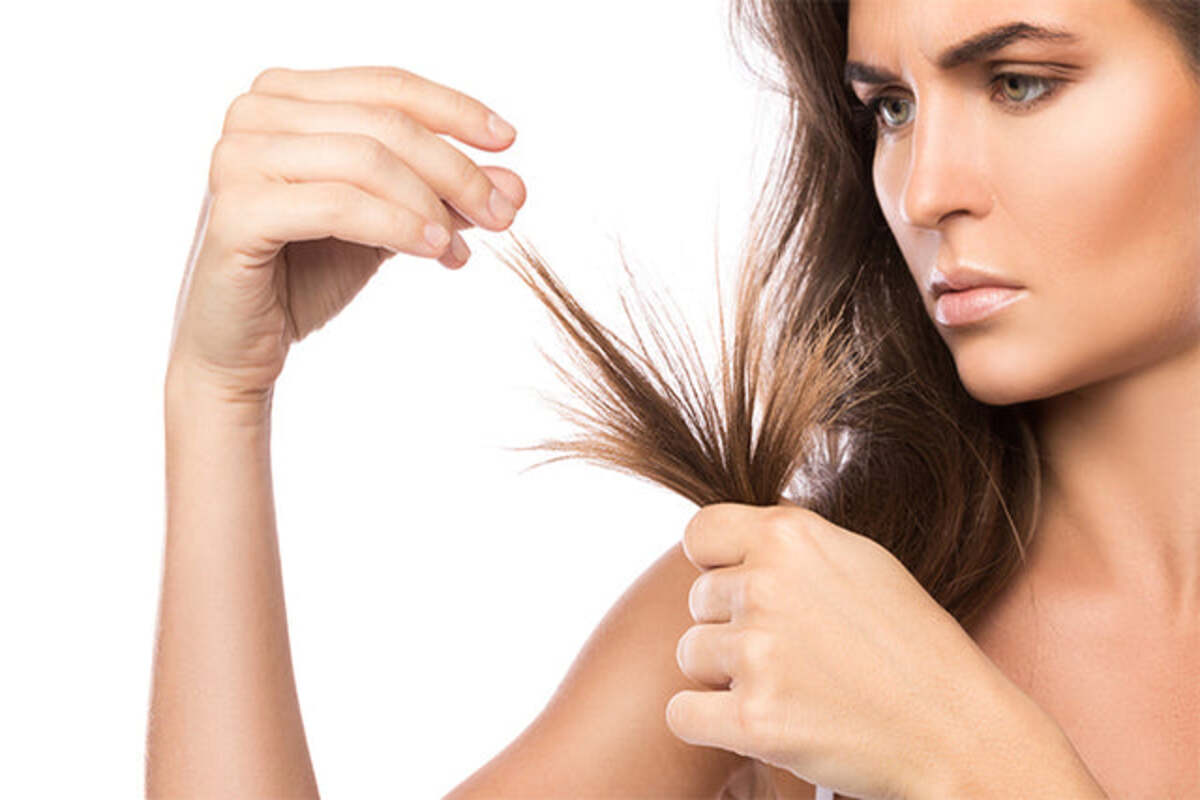
Using the oil as an overnight hair mask, once in two weeks will help heal the split ends in your hair. You can also add the oil to your hair conditioner; apply it onto the ends for 30 minutes and rinse. This will definitely moisturise your strands and repair the damaged hair.
4. Curbs Dandruff

The anti-inflammatory properties in jojoba oil make it perfect for conditions like dandruff and eczema. To help with dandruff, add jojoba oil to your favourite Shampoo.
How to use jojoba oil?
It is important to understand the healing powers of jojoba oil. Not only does it moisturize the skin and deliver nutrients to the surface of the skin, but it also has antibacterial properties that make it an effective antibacterial spray.
Here’s how you can make your DIY products -
Make a simple two-part face scrub. The first part is the scrub; the second part is the oil. In this case, the scrub is comprised of white sugar, salt, olive oil and jojoba oil. Mix the first three ingredients together with a blender and set aside. Rub the mixture into the skin for 5-10 minutes and rinse thoroughly.
To make a mask, apply the jojoba oil onto a clean face and gently massage it in circular motions for 30-45 seconds. Leave it on for 20 minutes and then wash it off.
FAQs
1. Are there any side effects of using jojoba oil?
There are hardly any side effects of using jojoba oil; in very rare cases it may cause a rash or allergic reactions.
2. How many times should I use jojoba oil?
This depends on the user’s age, health, skin type, etc. Usually, applying the oil once a week is good for the skin.
3. Where can I find jojoba hair oil?
You can find jojoba oil in your general stores, or you can simply hop onto Purplle.com to get the best jojoba oil products.
Read More:
- Turn Up Your Skin’s Brightness Quotient With Jojoba Oil
- 5 Easy Peasy Ways To Use Jojoba Oil On Your Face
- Best Hair Oils for Hair Growth
Latest Articles





About Payal Bhattacharya
Payal is an editor at Purplle.com. She believes that the world will be a much better place if everyone owns a cat, it’s bizarre but true. She’s very sensitive and particular about her skincare routines and never skips it even for a single day. She loves to read about intimate hygiene and educate herself about female and male personal care which clearly reflects in her writings.