

Feminine Hygiene
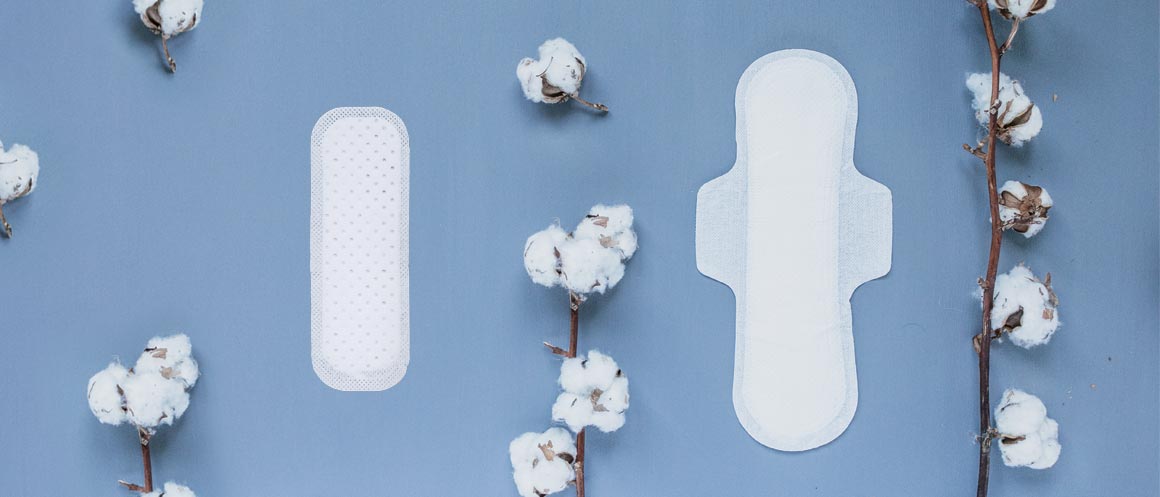
Difference Between Panty Liners And Sanitary Napkins
Payal Bhattacharya
For any adolescent female entering womanhood, a sanitary pad is one item she just can’t do without. Sanitary pads are an integral part of women’s and pubescent girls’ lives. Thanks to the menstrual cycle that pays monthly visits, we need feminine care items to keep us protected on those days. A sanitary napkin or pad can help lock in the menstrual blood with its absorbent layers of breathable, skin-friendly fabric. It is worn inside in the gusset of the underwear and stays there as you move around freely. Ask a woman what’s got her back, and the answer will never stray too far from her trusted sanitary pads.
Sanitary napkins keep you covered during your periods as you go about your life with zero reservations. But that’s only about sanitary pads. Let’s talk about panty liners. Panty liners are thinner and considerably more compact than your pads. They are used for everyday hygiene to keep your intimate area clean and dry. Panty liners are the closest to all-around intimate hygiene without the downside of added bulk and panty lines.
Sanitary Pads vs. Panty Liners: What’s the Difference Really?
Sanitary pads have been around for some time, and most women turn to them when experiencing periods with heavy flow days. These are highly absorbent pads made of layers of moisture-locking material to meet your menstruation needs. All women turn to their trusted sanitary napkins to keep them safe from leakages. A panty liner is used to promote better intimate hygiene for females. It lines the inside of the panty to absorb light discharge or leakage and is ideal for anyone who needs help with urine incontinence, discharge, or has unannounced periods that need a quick fix. Check out what are panty liners and their benefits for more details.
Panty liners are excellent for use when you experience pre- and post-menstrual spotting during your cycle. A definite plus about them is that they are super discreet and feel next to wearing nothing. Panty liners help keep your panty dry and clean while being thin enough to mold comfortably in the gusset. Women find them super convenient to keep the intimate area clean, and as such, their use has been on the rise.
For some girls, they can actually come in handy if their periods are unpredictable and prone to spells of dark discharge. Just like pads, they stick easily on your panty. But they are used more to maintain everyday hygiene. Because sanitary pads are specially designed for use during your monthly cycle, they are thicker with greater coverage. Sanitary pads absorb and lock in heavier flows and come in various sizes and absorbent capacities, enabling you to choose the best fit. From thicker pads to ultra-thin gel-locking pads, the options are endless. All in all, your sanitary pads are simply indispensable!
Should You Choose One Over the Other?
Sanitary pads and panty liners are akin, i.e., they are similar in how they work. But while sanitary pads are the companion of choice for when you get your periods, panty liners are a versatile female care product to keep you feeling clean, dry, and fresh every day. Pads help you during your monthly cycle, while panty liners work for everything else and can be used on other days. You cannot really wear a pad every day due to its bulk. And while a panty liner may be of use for vaginal discharge, leakage, and spotting, it cannot replace the highly absorbent sanitary napkins. The question then shouldn’t be which is better or which of the two comes out as a winner in this comparison. It’s more a matter of your needs and what you require on a particular day.
What Type of Pads/Panty Liners Should You Pick?
- Thickness: For their periods, some women prefer the thicker maxi pads made of a plush, absorbent cushion with soft cotton to promote maximum comfort. The ultra-pads, on the other hand, are compressed to achieve a very thin, discreet fit with a highly absorbent core that locks in fluid for long hours. Panty liners are all thin, but you can still choose from different brands for the best fit.
- Biodegradability: Organic sanitary pads and liners are not only super skin-friendly but are also an environmentally conscious choice. They help keep irritation and rashes at bay and allow your skin to breathe without harmful chemicals. They promote sustainability and help reduce the toxic waste we dump in the environment.
- Fragrance: Some women prefer lightly scented pads and panty liners to smell fresh and good all day long. But for many, fragrance can actually lead to irritation and rashes, especially if you have sensitive skin. If you don’t fare well with fragrances or generally prefer a more natural, unprocessed fabric on the crotch area, a non-scented sanitary pad or panty liner is the way to go.
Both sanitary pads and panty liners help absorb blood flow and vaginal discharge. But what sets them apart and is really the main difference here is their absorption capacity. Sanitary pads are a thicker, high-absorbent feminine care product and may even have a gel-based technology to help trap the blood, converting it to gel between its moisture lock layers. On the other hand, panty liners are the thinner cousins of pads that can hold little moisture but serve varied purposes. Super natty and compact, these can be carried everywhere and used when you sense your periods approaching. And for the heavy period flow, you have your reliable sanitary pads to back you up. With both working so well for your intimate needs, the choice is really up to you. Take your pick! Do check out these myths and fact about intimate hygiene for more details.
Read More:
- 5 reason to use pantylinear Everyday
- Top 7 sanitary pads for heavy flow
Latest Articles





About Payal Bhattacharya
Payal is an editor at Purplle.com. She believes that the world will be a much better place if everyone owns a cat, it’s bizarre but true. She’s very sensitive and particular about her skincare routines and never skips it even for a single day. She loves to read about intimate hygiene and educate herself about female and male personal care which clearly reflects in her writings.