

Skincare
Hormonal Acne: Painful but Treatable
Simran Sukhnani
How To Treat Hormonal Acne?

The mention of hormonal acne probably takes you down memory lane - your teens - the epoch when you survived acne flare-ups now and then. Yes, those painful and nightmarish zits almost always popped out of the blue - especially when you prayed not to have them, no matter what.
However, for some people, that pimple-prone phase of their life does not end in their adolescence. It may continue till eternity, well after menopause for some women. Perhaps, you are one of them. As long as your hormones play hide and seek, breakouts on your skin may continue to annoy you. So, are you tired of those pesky bumps and wondering if or not they are hormonal? You are not alone. Most women face the same dilemma when adult female acne stops by.
This informative read will take you through the meaning of hormonal acne, its characteristics, causes, and the best acne treatments. Read on!
How do you define hormonal acne?

Expert dermatologists say - hormonal acne inherently relates to your hormonal levels ending in cyclical episodes around your menstrual cycle. Besides your flow days and oily skin, it can also occur because of other hormonal changes, including pregnancy, the postpartum phase, menopause, PCOS, or PCOD.
According to Dr Ife J. Rodney, a renowned dermatologist, technically, there is no such medical term as hormonal acne. However, when women happen to get these bumps around their periods or when dealing with PCOS or menopause, it usually results from significant hormonal shifts. Hence the name hormonal acne.
Simply put, you can describe hormonal acne as the onset of acne in adulthood with a hormonal link. Most importantly, you can get acne breakouts in your 20s to 40s and sometimes even beyond that. Studies show that over 50% of women get adult female acne or AFA.
How does hormonal acne look?

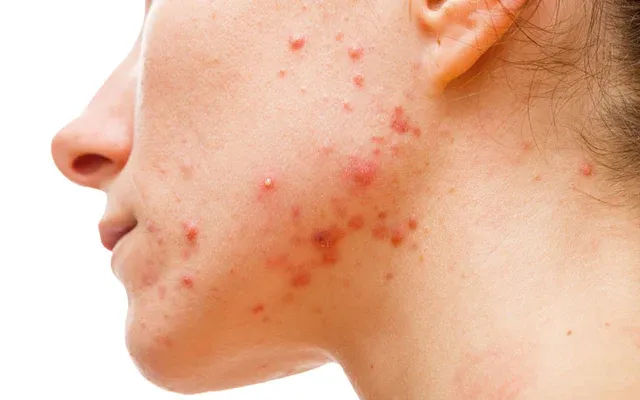
The very nature of hormonal acne is inflammatory and cystic. It is red and painful, with deep cysts and pustules, especially on the lower part of your face, including the jawline, chin, and lower portion of cheeks. Most importantly, they are most likely to cause acne scars.
How does hormonal acne start?

Before understanding what causes acne, let's first get familiar with the hormones that may unforgivingly give you bouts of these pestering pimples. They are progesterone and estrogen.
- Throughout your menstrual cycle, these two hormones fluctuate significantly. The ratio of fluctuation again varies from one woman to another. But that is not all.
- The equation between progesterone and estrogen may also impact your testosterone levels and lead to breakouts.
- Besides, another chemical component, cortisol, the notorious stress hormone, can also play around with your progesterone and estrogen levels, giving you painful boils.
- Although the exact causes of hormonal acne are still unknown, hormonal imbalance is linked to the increased production of oil, leading to breakouts.
How to treat hormonal acne?

How to get rid of acne fast? Is there a magical potion for it? Can you say goodbye to stubborn pimples overnight? Is there any acne treatment at home? How to get rid of acne in a week? Most of you have such questions in your mind when dealing with acne. Right?
Dear reader! Yes, acne and pimples are bothersome. But it is normal to have them. The best part - you can treat them with suitable treatment(s). Most women, when they get acne, turn to home remedies and so-called chemical-free products off the shelf. However, it is advisable to consult a dermatologist early, because not all natural ingredients are safe for your skin.
And as far as chemical-free products are concerned, it is a misleading term. Of course, many chemicals can cause significant damage to your skin. However, good chemicals, such as - salicylic acid, niacinamide, retinol, hyaluronic acid, ascorbic acid (Vit C), etc., also exist. Although these read "acid" - a scary word (indeed) - they are relatively mild and can work wonders on your skin.
Let's take a deeper plunge into the ocean of good chemicals for the skin and the best acne treatments.
Good chemicals for the skin and the best acne treatments.
1. Retinoids
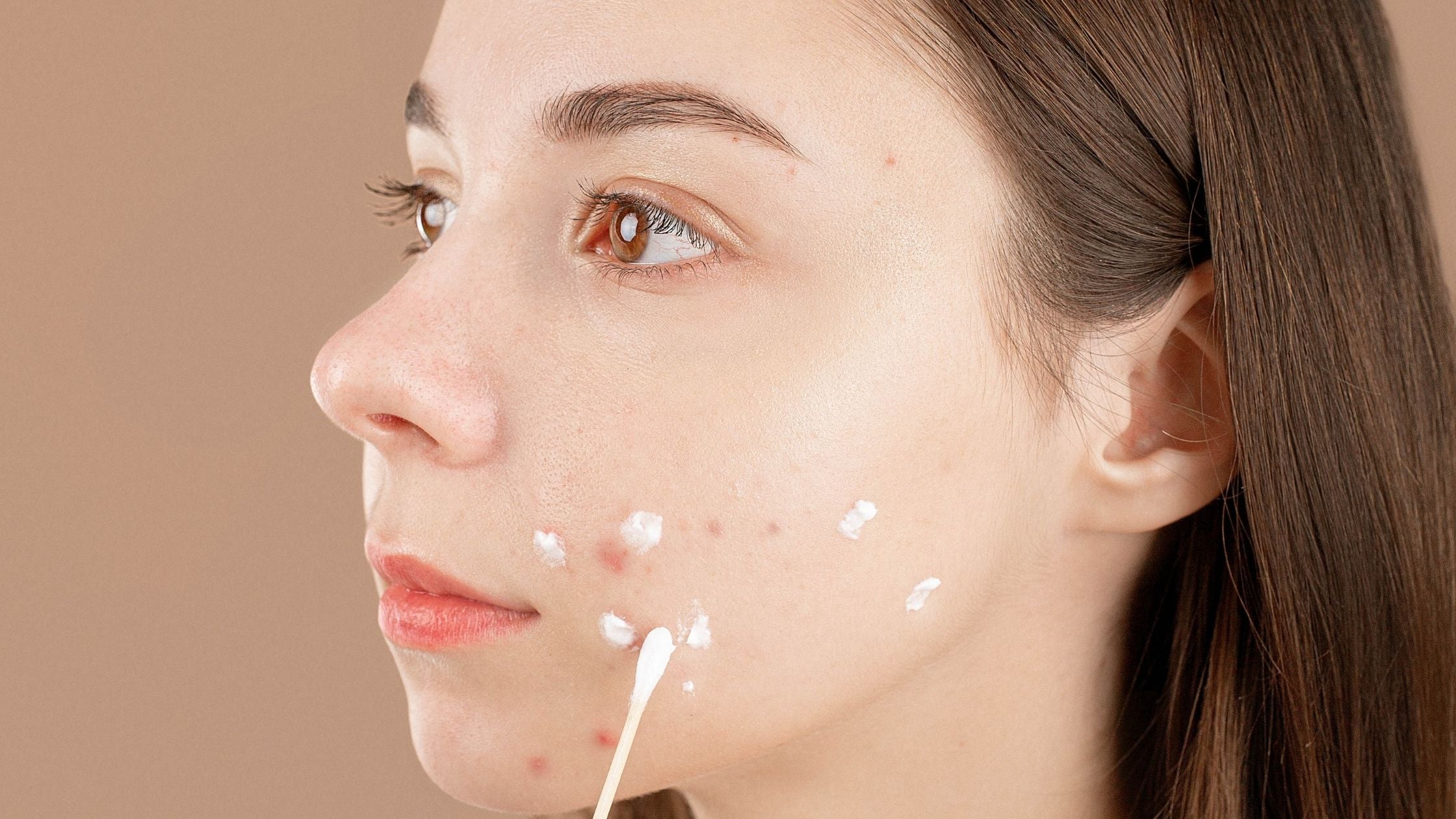
Dermatologists often recommend retinoids for topical application as the first line of treatment for acne (mild to moderate). These chemical compounds remove dead skin cells to prevent the clogging of pores that lead to acne flare-ups.
If your acne problem is not severe or you have sensitive skin, a higher concentration of retinoids may irritate your skin.
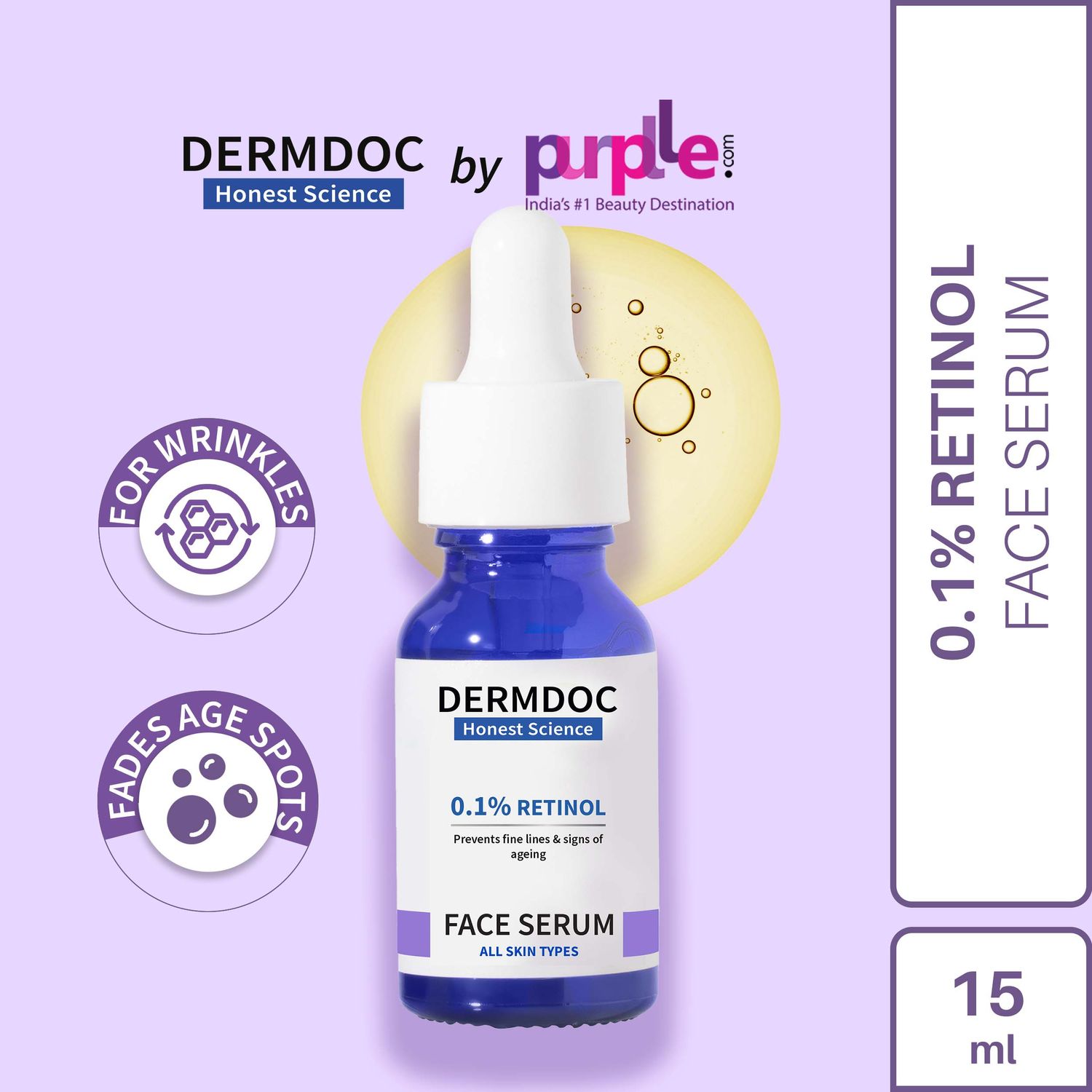
Recommended Product: DermDoc by Purplle 0.1% Retinol Face Serum
Customer Rating: 4.1 / 5
Net volume: 15ml
You can also use a retinol-based product like DermDoc 0.1% Retinol Face Serum. It is a fast-absorbing and lightweight formulation your skin will love. Retinol works deep within your skin to give you youthful and hydrated skin. It also works on acne and sun damage.
Explore: DermDoc Serums & Essences
2. Salicylic acid
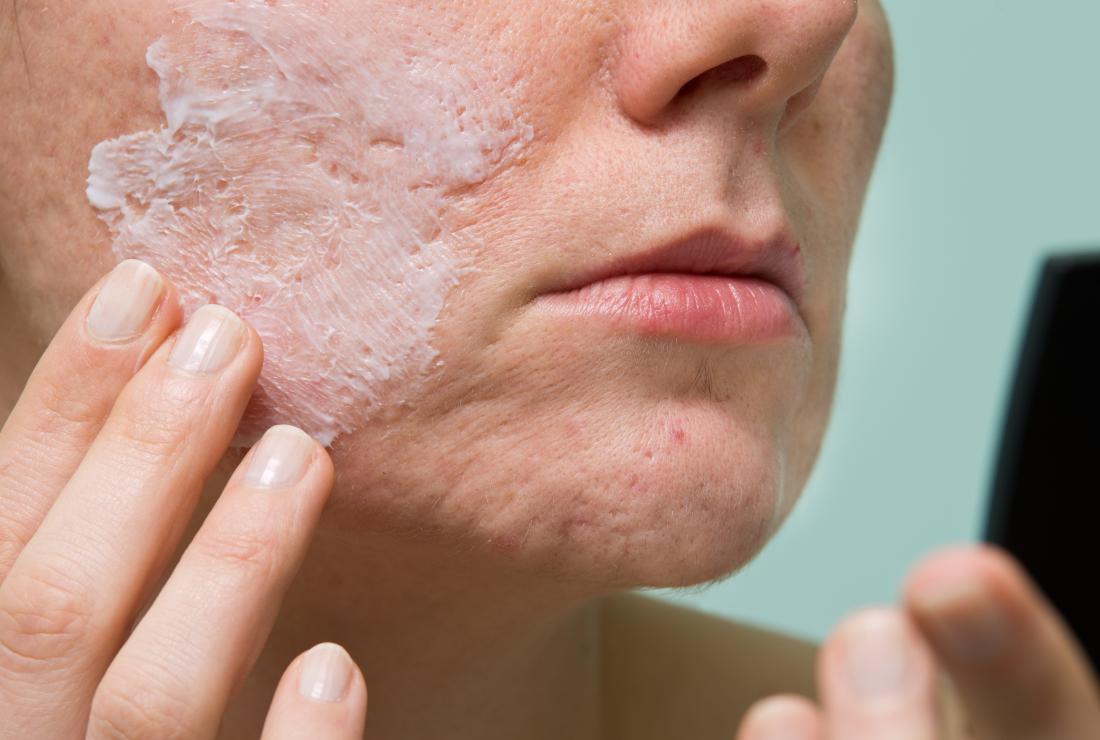
It gently exfoliates and goes deep into your skin to remove dirt, oil, and bacteria while minimizing sebum production and ensuring acne-free skin.
Recommended Product: DermDoc Salicylic Acid face wash
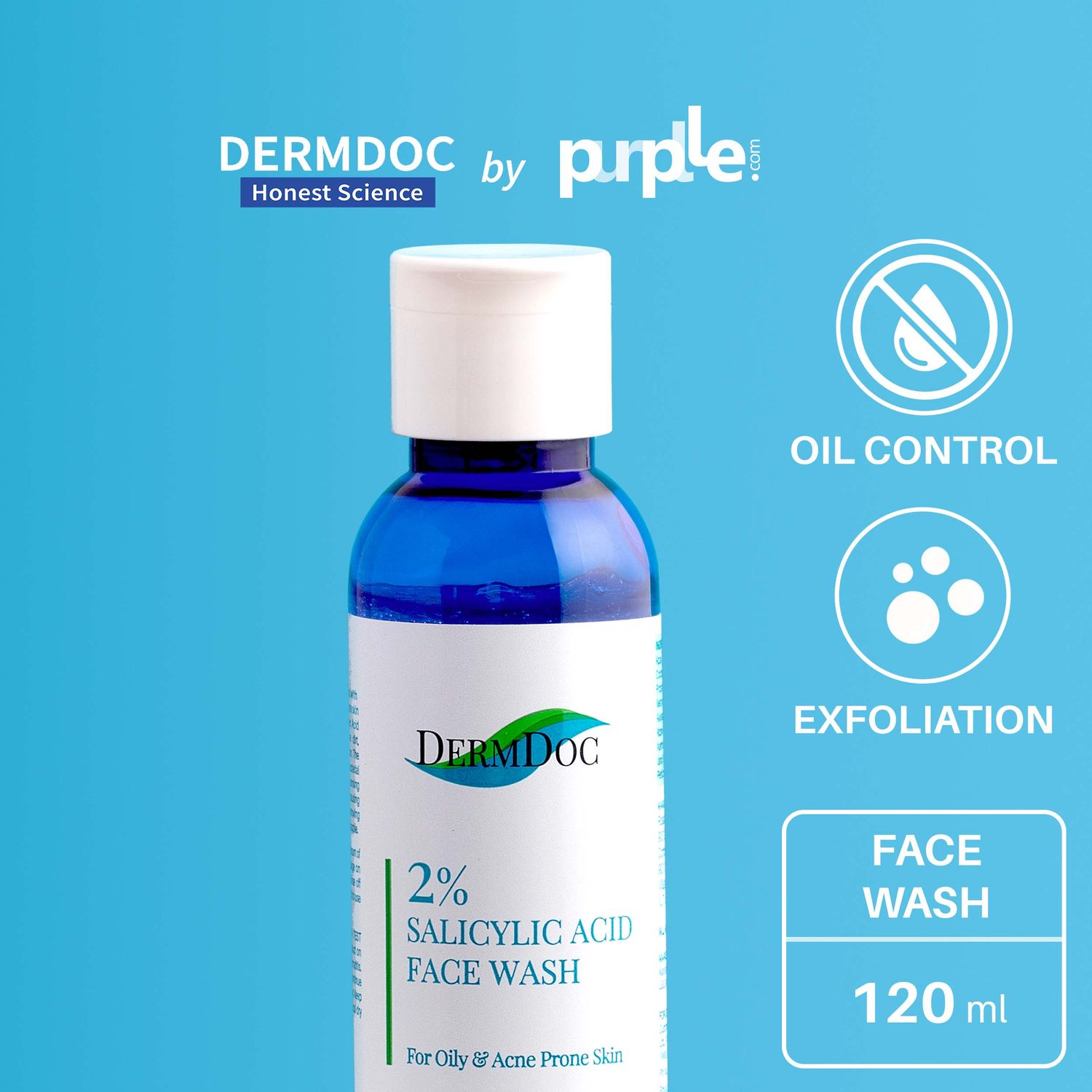
Customer Rating: 4.2 / 5
Net Volume: 120ml
You may consider DermDoc 2% Salicylic Acid Face Wash. It is a dermatologically-tested, paraben-free, sulfate-free, and alcohol-free anti-acne formula that keeps your skin oil-free and glowing.
Explore: DermDoc Facewash
3. Niacinamide

Niacinamide, a type of Vit B3, is a multitasker when we talk about skincare. Research reveals that niacinamide protects your skin from environmental damage and boosts collagen production.
Another study showed niacinamide's anti-inflammatory effect on acne and excessive sebum production that clogs the pores and ends up giving you nasty bumps. It also reduces fine lines and wrinkles while minimizing skin discolouration and hyperpigmentation.
Recommended Product: DermDoc by Purplle 4% Niacinamide Day Cream
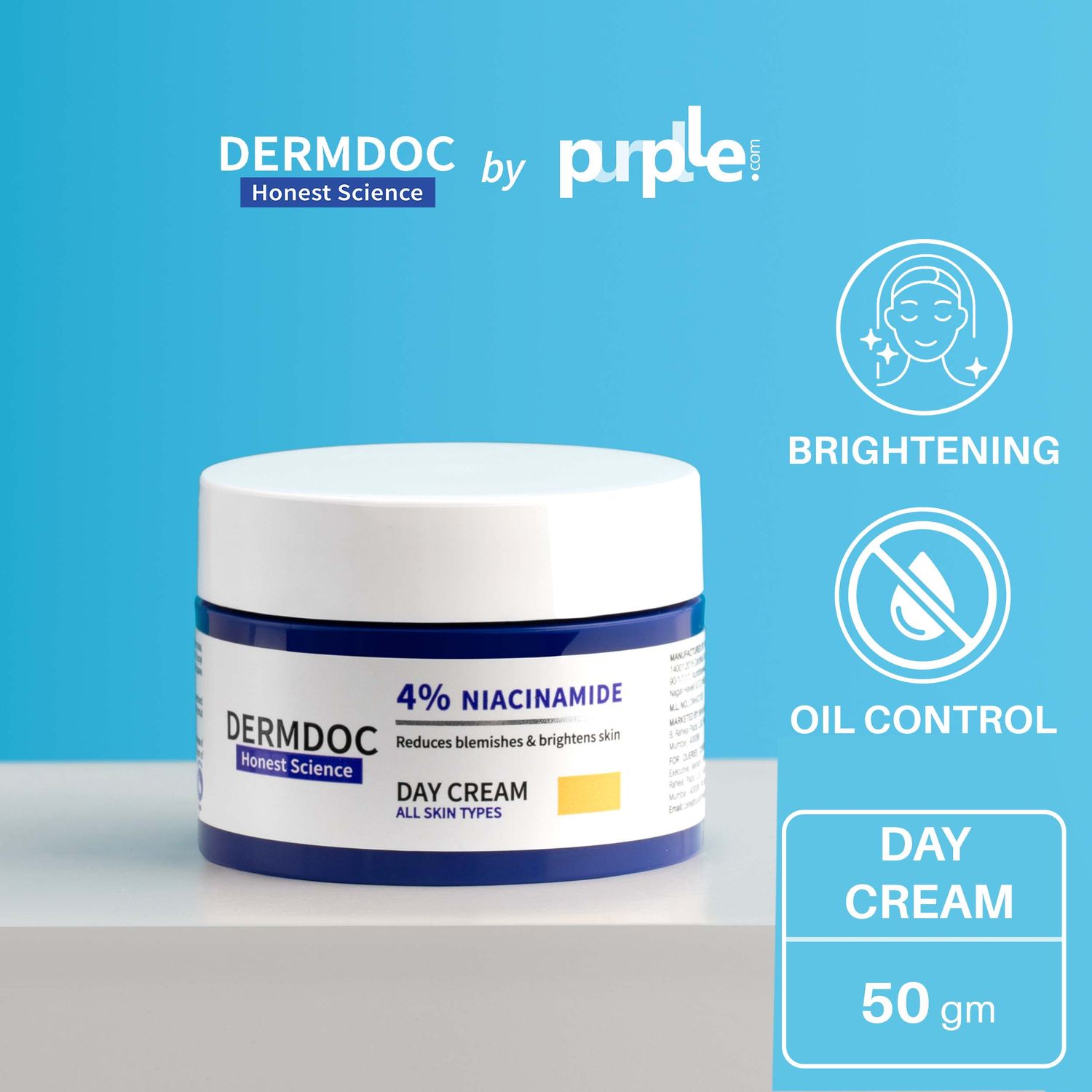
Customer Rating: 4.2 / 5
Net Volume: 50gm
If you have not tried it yet, you may go for the DermDoc 4% Niacinamide Face Cream. This formula is suitable for all skin types and doubles as an acne treatment cream and hydrating day cream.
Conclusion

Acne is undeniably bothersome and painful. Besides its physical markers on your face, it may also dampen your self-esteem and morale. However, do not forget that no matter how distressing acne is, you can always get rid of it with the right solutions, including proper acne treatment, a balanced diet, and lifestyle changes. For sustainable and harmful chemical-free skincare products, you can trust on DermDoc by Purplle, a brand that focuses on transparency, efficacy, and affordability.
If you want to know more about skin-friendly skincare ingredients, myths around chemical-free products, and so on, do follow DermDoc's blog for the best reads.
Latest Articles




About Simran Sukhnani
Someone who likes to jump from one task to another, writing is one of Simran’s many passions. You can often find her yapping about skincare and makeup trends, because she just can’t get enough!