

Skincare
How To Repair Damaged Skin Barrier
Marriah Dhariwala
Healthy skin reflects good hygiene and lifestyle, superior gut health, and optimal mental health. Investing a little time and effort in regular skincare can ensure healthy skin. Factors such as exposure to harsh climates can consistently damage the skin. Even though a natural skin barrier is in place to protect you from harmful microbial infections and the effects of elements, it can get damaged over time.
This article will discuss what a skin barrier is, how it can get damaged, how to repair a skin barrier naturally, and how to restore the skin microbiome.
What is the Skin Barrier?
Your skin is designed to regulate body temperature while maintaining an intricate microbiome on the surface. While different layers of the skin do their part in protecting you, the outermost lipid layer on the skin acts as a barrier. This layer of moisture protects the body from excessive water loss and external allergens, chemicals, and infection-causing microbes.
A damaged skin barrier can increase the risk of various skin and health complications. Multiple factors can deplete or damage the skin barrier, such as:
- Overwashing or washing with hot water: The skin barrier comprises natural lipids like triglycerides, fatty acids, and ceramides. Excessive washing or washing the skin with hot water can strip away these natural lipids, damaging the skin barrier.
- Over-exfoliation: The use of both physical and chemical exfoliants depletes the lipid layer on the skin. Over usage of the wrong exfoliant can do more damage than benefit.
- Using harsh chemical-based products: Personal care and cosmetic products that contain harsh ingredients like parabens and sodium lauryl sulphate can dehydrate the skin and deplete the natural fatty acids of the skin barrier.
- Harmful environmental conditions: Exposure to very low humidity or too much sun can over-tax the skin barrier and can slowly damage it.
- Exposure to specific allergens: Naturally occurring allergens like dust, pollen, or particular plant extracts can also damage the skin barrier and strip away the lipid layer.
- Underlying skin conditions or diseases: Various skin conditions like psoriasis, rosacea, and eczema have an inflammatory effect that dehydrates the skin. Medications used to manage these conditions further damages the skin barrier and dehydrate the skin, spiking resultant inflammation.
Effects of a damaged skin barrier
A damaged skin barrier can develop patchy and flaky skin all over your body or in the most affected areas. Rough skin patches can feel itchy and develop small, irritable bumps. Dehydrated skin may feel dry, discoloured, and even inflamed if the damage is severe. All this happens due to the depletion of the fatty lipid layer, which also hosts the skin microbiome.
Skin microbiome or skin flora is a delicate ecosystem of microorganisms that live on your skin and maintain its health. Thousands of species of bacteria, fungi, and viruses reside on your skin to act as a natural filter and protect your body from pollutants and harmful environmental factors.
If it's disrupted, you may develop skin microbiome acne, which could be difficult to manage and leave lasting scars. Along with irritable pimples and blemishes, you may also develop chronic skin redness, inflammation, and flakiness. When you notice these symptoms, you may start wondering, 'how can I restore my skin's microbiome?' Since the skin microbiome is part of the skin barrier, repairing one can effectively restore the other.
How To Repair Skin Barrier Naturally
Your skin barrier can be repaired both naturally or with the help of topical agents. To repair your damaged skin barrier naturally and avoid skin microbiome acne, you can adopt the following measures:
1. Hydration is key:
It will show on your skin if you are dehydrated. Therefore, you must start drinking water regularly to start rebuilding a healthy skin barrier and rehydrate your skin. It will also be beneficial to reduce the consumption of dehydrating substances like caffeine, alcohol, and tobacco to naturally improve your skin's moisture level.
2. Maintain a clean diet:
Green leafy vegetables, fibre-rich legumes, eggs, and fruits provide you with all the required macro and micronutrients. Include antioxidant-providing foods in your daily diet to improve the production of natural fatty acids that rebuild the skin barrier.
3. Get enough sleep:
Getting 7-8 hours of sleep daily can also help in restoring skin moisture. As you sleep, your body repairs itself. Thus, if your skin barrier is damaged, sufficient sleep can naturally repair it over time.
4. Manage your stress:
If stress and anxiety are causing you to break out in hives or develop eczema-like conditions, you need to actively manage your stress to repair your skin barrier. Meditate and focus on self-care to minimise harmful stress.
5. Avoid direct sun exposure:
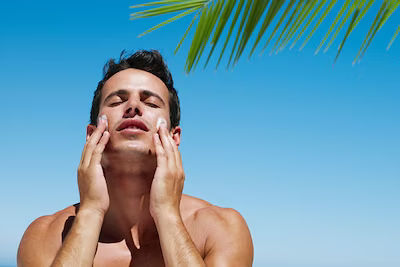
Direct and extended sun exposure not only causes tanning and sunburn but also evaporates essential moisture from your skin. Always use gently moisturising sunblocks that provide UVA and UVB protection before stepping out into the sun.
6. Avoid overwashing and exfoliation:
Keep your skincare routine simple, and try not to over-wash or over-exfoliate during the day. Use moisturising soaps and cleansers that don't dry out your skin, and avoid DIY facials that may cause inflammation or allergic reactions.
If, even after all the lifestyle modifications, your skin barrier doesn't recover, then choosing the right skin barrier repair cream can do the trick. Gentle skin care products with ceramides, glycerine, or hyaluronic acid work well in moisturising the skin and helping rebuild the skin barrier.
The Dermdoc by Purplle 2% Pure Hyaluronic Acid Face Serum is a unique formula that hydrates your skin. You may also incorporate Dermdoc by Purplle 1% Hyaluronic Acid Moisturizing Face Cream, or 2% Hyaluronic Acid Face Gel into your daily skincare routine.
As for the question of how to restore the skin microbiome, once your skin barrier is repaired, the healthy skin microbiome also returns to the skin. But for a little extra help to restore your skin's pH balance and help your skin microbiome flourish, you may try out Dermdoc by Purplle pH Reballance Face Cream with 0.5% Hyaluronic Acid I moisturiser.
Read More:
- Incredible Tips from Purplle for Glowing Skin
Latest Articles




About Marriah Dhariwala
Marriah is 5ft of Netflix and book references with a sweet tooth who also loves subways, pizzas, and much more. You will either find her reading, writing or drawing in her diary. She is friendly and cheerful with bright smiles and a smart mind.