

Skincare
How to Use Retinol for Sensitive Skin
Payal Bhattacharya
Introduction
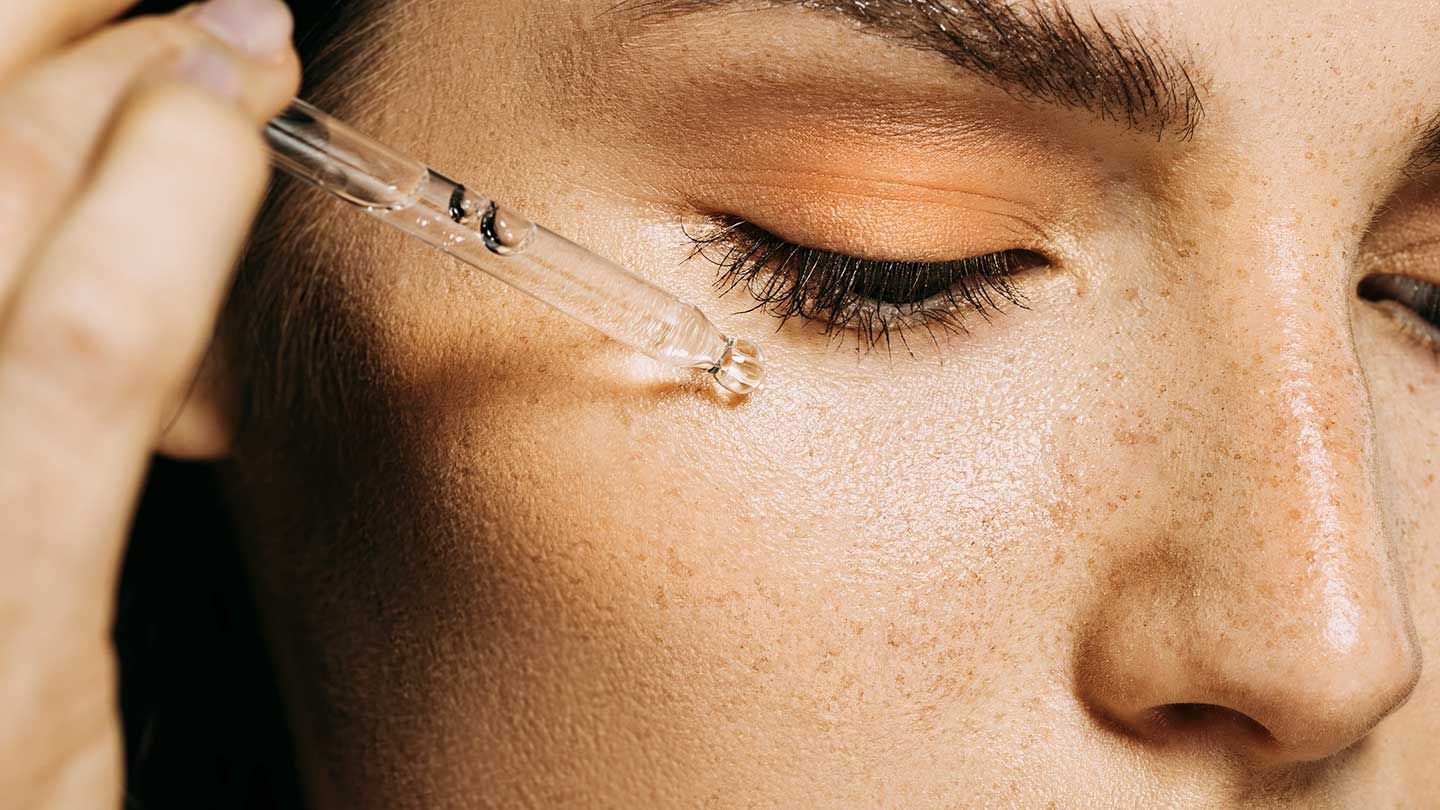
Retinol is one of the best anti-ageing ingredients you can use for your skin. It can help smooth wrinkle lines, prevent zits, and reduce pigmentation, making your skin look more youthful.
But it is not for everyone, as some may find using retinol for sensitive skin irritating. The side effects can be severe for those with sensitive skin.
However, retinol for sensitive skin works if you use it regularly. This post will discuss exactly how to use retinol for sensitive skin and attain all its benefits.
What is retinol?
Retinol is a type of Vitamin A. It has acne-fighting and anti-ageing properties, making it a popular ingredient for skin care.
Retinol can be bought as a liquid serum or in creams, emollients, and gels. A person may use it topically to improve their skin.
What is sensitive skin?
People with sensitive skin may suffer from symptoms including itching and redness. Itching, burning, and stinging are common symptoms of sensitive skin. Sensitive skin is curable and may need a dermatologist's treatment.
Sensitive skin can indicate a more serious condition, such as renal disease, so consult your doctor if you have it. You may develop a plan to relieve itching or discomfort, treat the cause of sensitivity, and protect your skin from future irritants.
Things to remember before applying retinol on sensitive skin
Here are some things to consider if you are applying retinol to sensitive skin.
1. Use a gentler version first.
Before using retinol regularly, it is advised to begin with an entry-level variant of retinol. Use a less concentrated form, like retinyl ester. It will be much milder on the skin compared to pure retinol.
Also, go for a product with a lower retinol percentage initially. For people with sensitive skin, 0.01% to 0.03% works best.
2. Go low on the quantity.
When using retinol on sensitive skin, one of the most important things to remember is not to overuse the product. Go slow and low with the amount you apply. Start with a pea-sized amount for the entire face. Remember the 'less is more' approach.
Consider the same approach for the frequency of retinol use. Start using it once or twice a week and then gradually increase the frequency.
3. Be consistent with moisturisation.
Since sensitive skin is dry, moisturising is essential. Moisturisers lock in water, increase hydration, soothe the skin, and repair skin lipids. Choose a skin-friendly moisturizer.
To avoid discomfort from retinol, use a moisturiser before and after applying retinol. It will dilute the effects to an extent.
4. Regularly apply sunscreens.
Sun damage causes rashes and other issues. Retinol can make sensitive skin more prone to damage from UV radiation. Hence, the role of sunscreens becomes more vital if you use retinol.
Before going outdoors, apply sunscreen. Use a broad-spectrum sunscreen containing zinc and titanium. Sunscreens with higher SPFs have more comedogenic ingredients, which may harm sensitive skin. You may also protect your skin with sunglasses and other clothing.
Procedure to use retinol for sensitive skin
The below-mentioned procedure can help you apply retinol appropriately:
- Skin prep: Wash your skin thoroughly before using retinol. For sensitive skin, it is advisable to use gel-like cleansers instead of foaming cleansers. They help in retaining the moisture of the skin. And remember to use the product on dry skin, as dampness can result in over-absorption, which can cause irritation.
- Start slow and be patient: Use a gentler version of retinol initially. Go for products that have a lower percentage of retinol. Be careful with the amount you apply. A tiny amount for the entire face will be sufficient. Apply the retinol product evenly using a dotting technique.
- Add layers: Using a moisturiser beforehand (and even after use) is also a great way to go about it. It lessens the chances of any kind of skin reactions. Use sunscreens to further protect from UV damage.
- Be patient and consistent: Initially, keep the frequency low. Once or twice a week. Increase the use gradually. It generally takes a few weeks or months of consistent use before the results are visible.
What are the best retinol products for sensitive skin?
Following are the best retinol for sensitive skin:
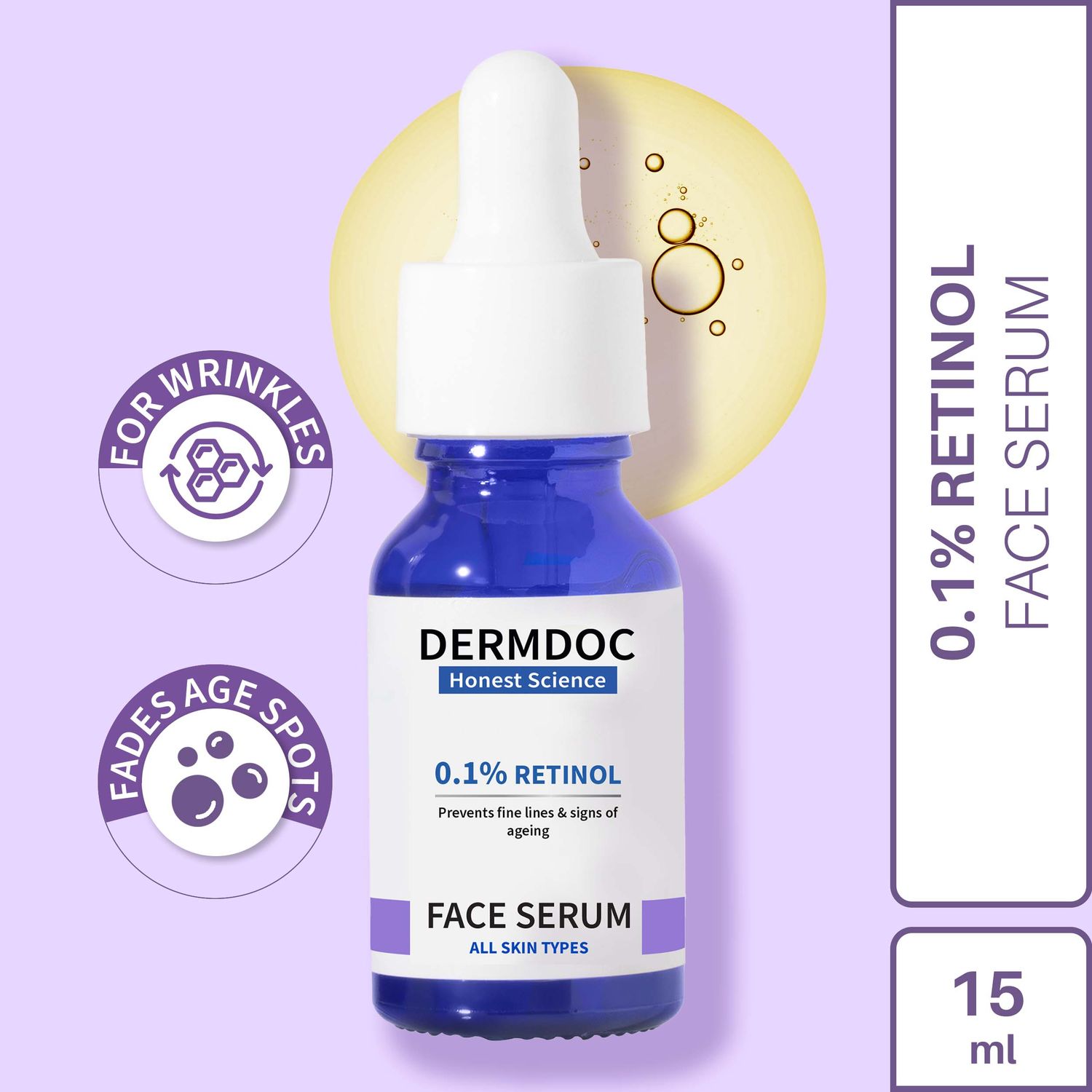
1. Dermdoc 0.1% Retinol Serum (15 ml)
Customer Rating: 4.1 / 5
DermDoc's new anti-ageing face serum contains 0.1% retinol. Its delicate texture slides across the skin, permeating into lower layers, reducing collagen breakdown.
Collagen helps fight ageing by reducing fine lines and wrinkles. It fights free radicals that kill skin cells and promotes regrowth.
Explore: Dermdoc serums
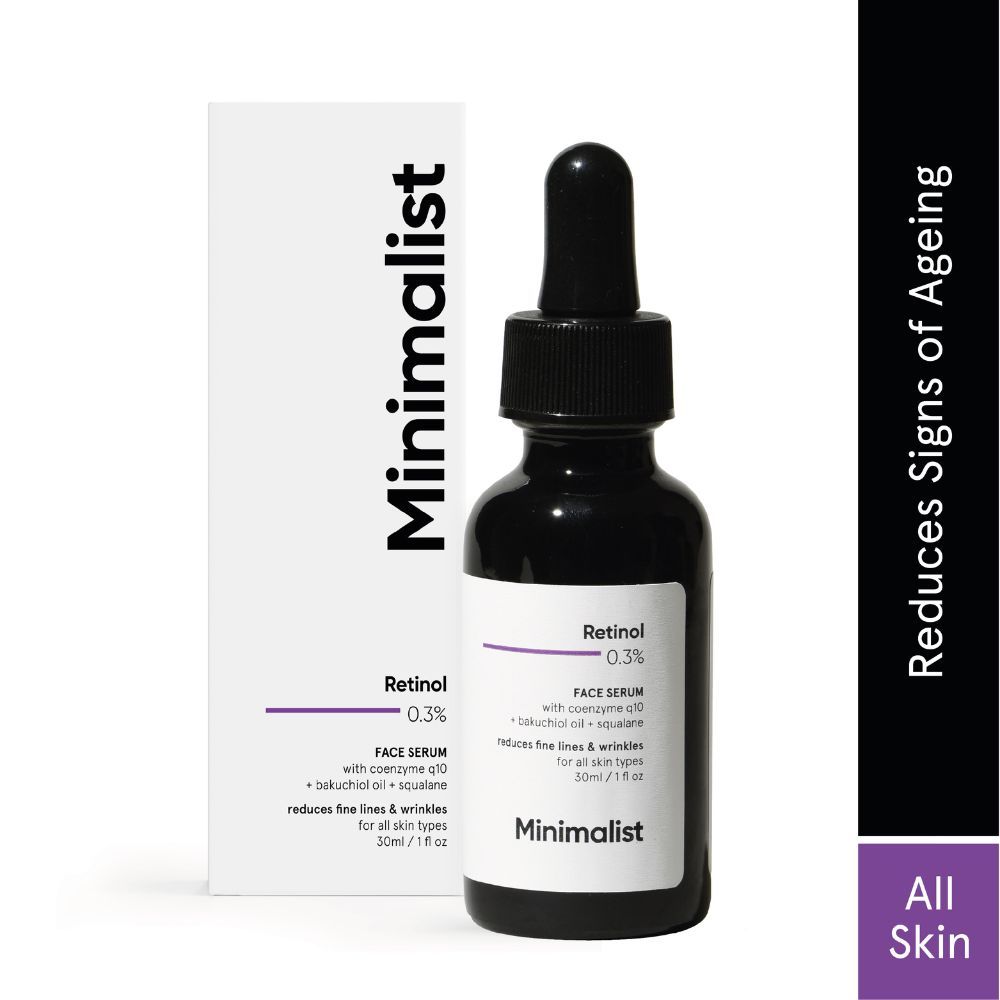
2. Minimalist 0.3% Retinol Face Serum
Customer Rating: 4.2 / 5
This anti-ageing serum contains retinol with Coenzyme Q10, a powerful antioxidant. It has squalane as its base, which prevents retinol from oxidation and nourishes the skin.
The Minimalist 0.3% Retinol Face Serum helps fight ageing by blurring fine lines, hydrating and brightening the skin. It also helps in making the skin tone even.
Explore: Minimalist Serums
3. DermDoc 0.5% Retinol Serum (Granactive Retinoid) (10 ml)

Customer Rating: 4.4 / 5
The DermDoc 0.5% Granactive Retinoid Face Serum reverses indications of ageing to make you look younger. Granactive retinoid stimulates cell regeneration and brightens the skin. It moisturises and keeps the skin plump.
Stop the clock with DermDoc 0.5% Retinol Serum!
Explore: Dermdoc Serums
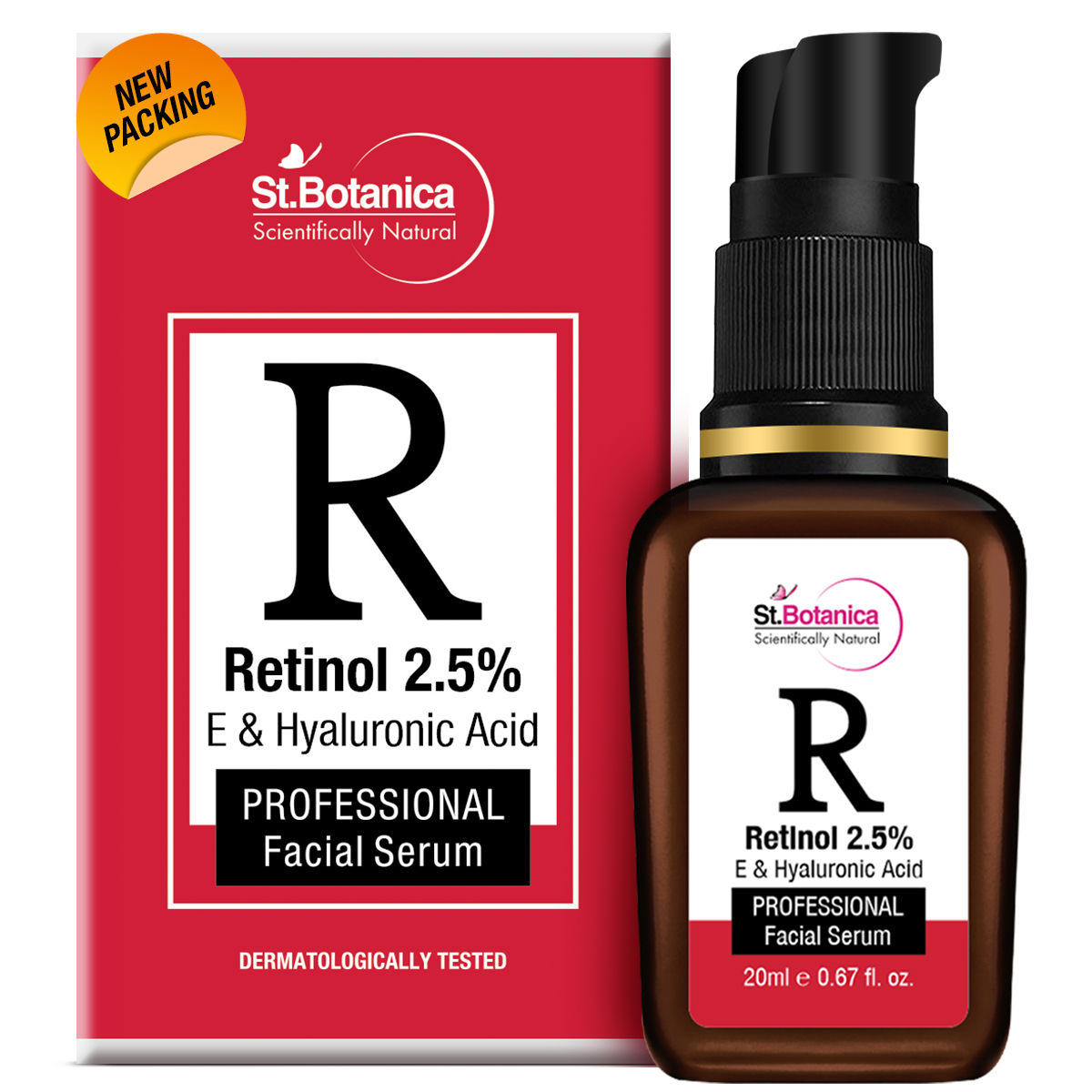
4. St Botanica Retinol Facial Serum 20Ml
Customer Rating: 4 / 5
St Botanica Retinol Facial Serum 20 Ml has 2.5% retinol, vitamin E, and hyaluronic acid. This powerful face serum repairs and rejuvenates the skin, reducing fine lines, wrinkles, and hyperpigmentation. It includes 2.5 % retinol, which helps skin cell regeneration and delays ageing. It helps keep the skin supple.
While vitamin E protects the skin from free radical damage, hyaluronic acid moisturises and keeps it supple. It helps you gain softer, smoother and brighter skin.
Explore: St. Botanica Serums
Conclusion
When you detect a change in your sensitive skin, it indicates retinol may be working. You may experience a more even complexion, fewer milia, skin break-out, or a reduction in fine lines and wrinkles. If over-the-counter products don't perform, try retinol after seeking a dermatologist's advice for your sensitive skin.
FAQs
1. Can I use retinol if I have sensitive skin?
Retinol is safe for sensitive skin. It may be the most acceptable anti-ageing ingredient for your skin type. It stimulates cell turnover and collagen formation to decrease wrinkles and hyperpigmentation.
2. Is retinol too harsh for sensitive skin?
Retinol causes redness and irritation. These adverse effects fade after a few weeks as the skin adapts to the cell turnover rate.
3. How can I start using retinol in everyday skincare?
Retinol is safe for sensitive skin. People with sensitive or dry skin should start with a lower retinol dosage, such as 0.25 %, and gradually increase it. Apply retinol 2-3 times a week to build tolerance.
Read more:
- Top 5 Face Washes For Sensitive Skin
Latest Articles




About Payal Bhattacharya
Payal is an editor at Purplle.com. She believes that the world will be a much better place if everyone owns a cat, it’s bizarre but true. She’s very sensitive and particular about her skincare routines and never skips it even for a single day. She loves to read about intimate hygiene and educate herself about female and male personal care which clearly reflects in her writings.