


Hair Styles
Knowing Your Hair: Which Hair Type Are You?
Sonal Trivedi
Choosing the wrong hair products or washing them incorrectly can often lead to frizzy, damaged hair prone to breakage or hair fall. So whether your hair are thick, long, short, matte, glossy, curly, oily, or straight, they deserve to be treated right. Just like it is important to know your skin type before starting your skincare, it is important to determine your hair type to figure out how to style and take care of your hair better. Continue reading to find out what your hair type is and how to take their best care.
`
Your hair type is characterized by many factors like porosity, density, thickness, and elasticity. Based on these factors, it can be easy to determine what products you must use for your hair care and which ingredients you should avoid.
Hair Texture:
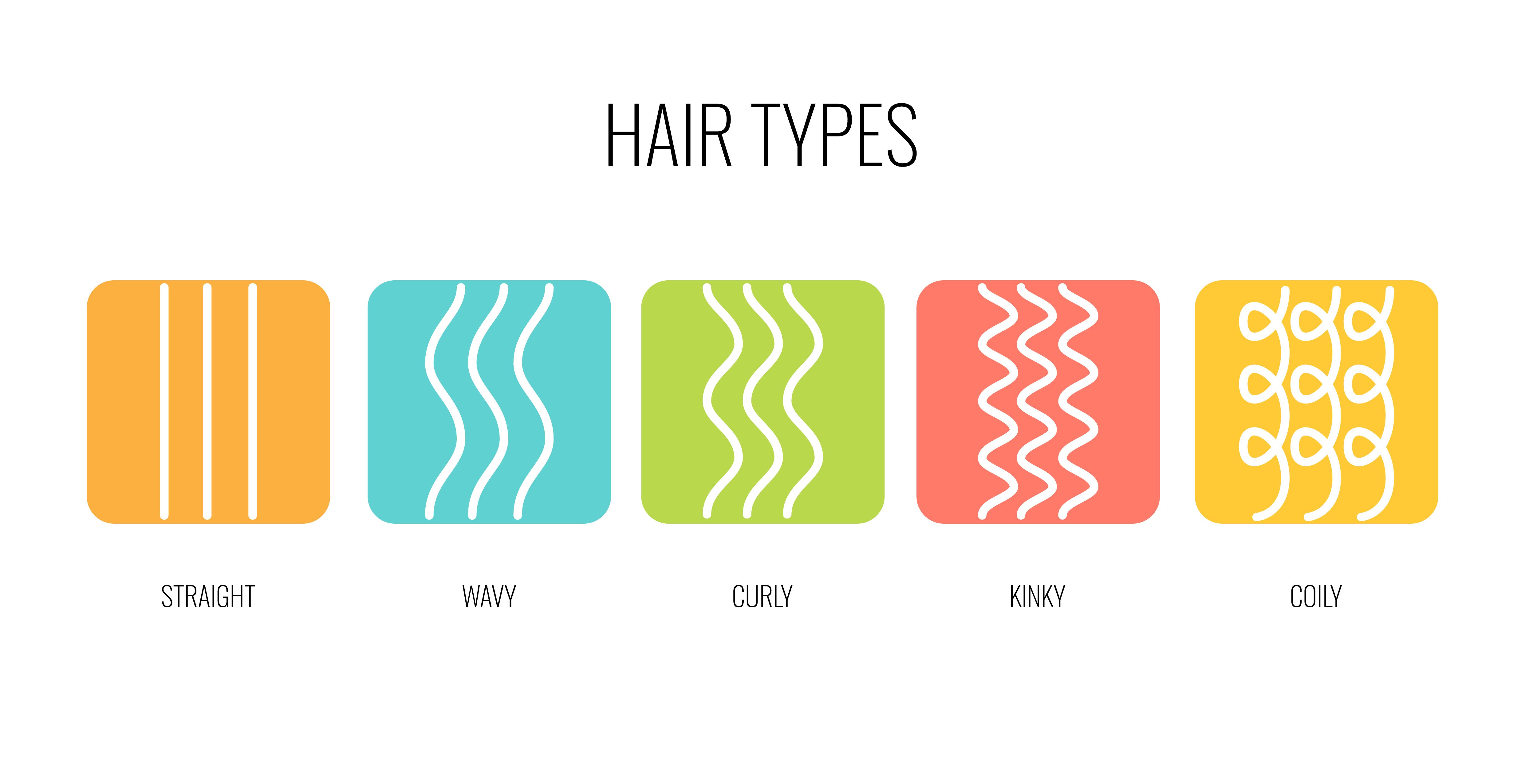
Based on your hair, your hair texture is generally determined by the shape or pattern of your strands. So, to determine your hair texture, leave your hair free from every product the next time you wash it and simply let it take it’s natural shape.
- If it dries naturally, without a blend or a curl, you have straight hair.
- If it dries with a slight curl that has minimal or no bounce to it, you have wavy hair.
- If it dries with a defined curled or a loop pattern, you have curly hair.
- Lastly, if you end up with tight curls, zigzags,s or spirals, you have coily hair.
Hair Density:
Your hair density means the amount of hair you have on your scalp. This can vary from person to person since you can have thin hair with more density and vice versa. So to figure out the density of your hair, simply grab a big section of your hair and pull it aside to the extent of which you can see your scalp.
- Now, if you can easily see your scalp, you have a thin density of hair and your hair is scantily placed.
- But if you can only see a partial of your scalp from underneath your section, you have medium density hair.
- And if you can see no scalp placement at all, you have thick hair density.
Hair Diameter:
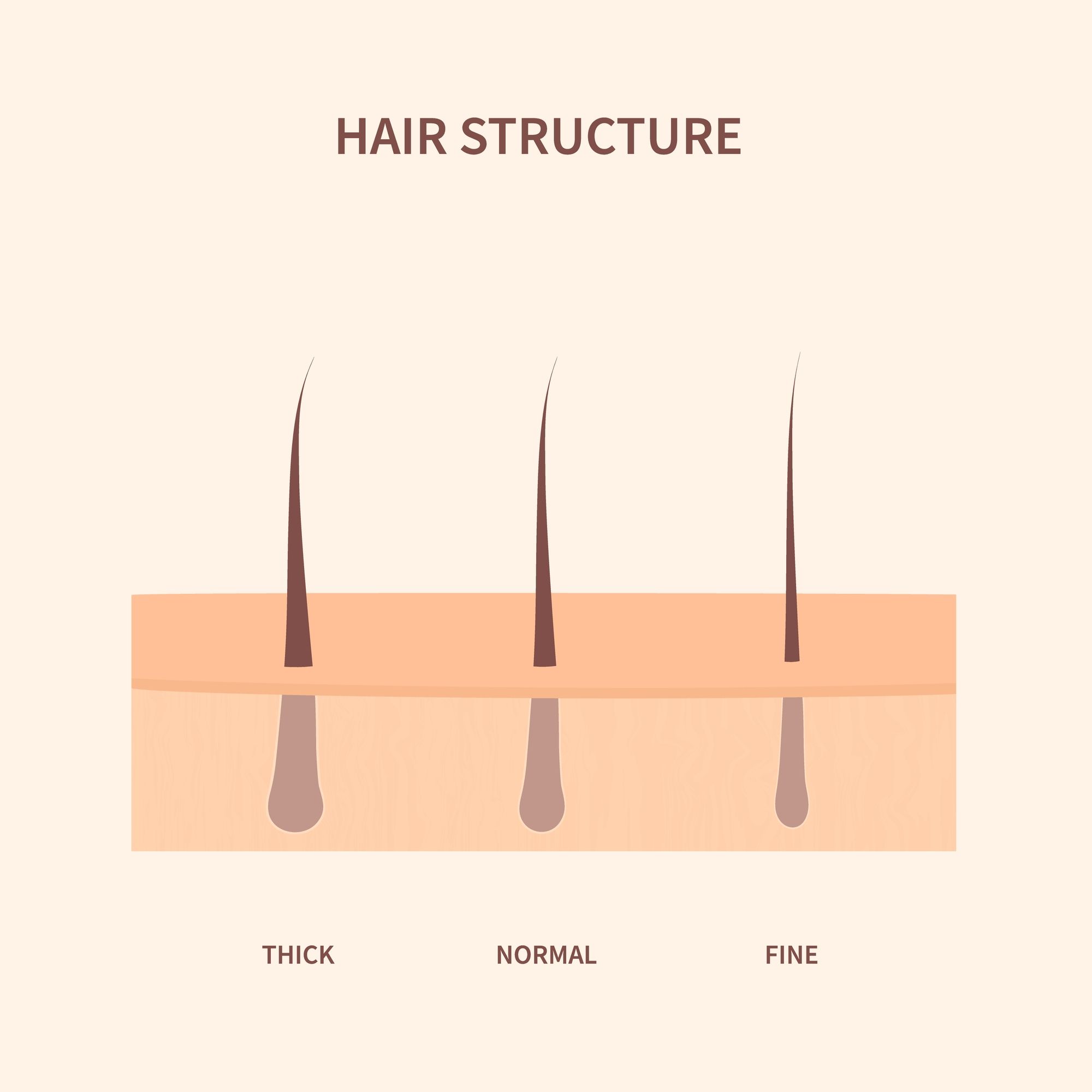
The width of an individual strand is usually the diameter of your hair and this is the most accurate way of determining your hair type, especially if you have thick hair. So, simply pick up a strand of your hair and feel it. If you can barely feel the strand on your hand between your fingers, you have thin hair, if you feel it slightly, you have medium hair and if you can distinctly feel it, you have thick hair.
If this process seems a little complicated, you can also compare your strand to a sewing thread by placing the thread alongside the strand. If it is just as thick or even thicker than the thread, you have thick hair. If it is more or less the same thickness as the thread, you have medium hair. If the hair strand is quite thinner than the thread, you have thin hair.
Hair Porosity:
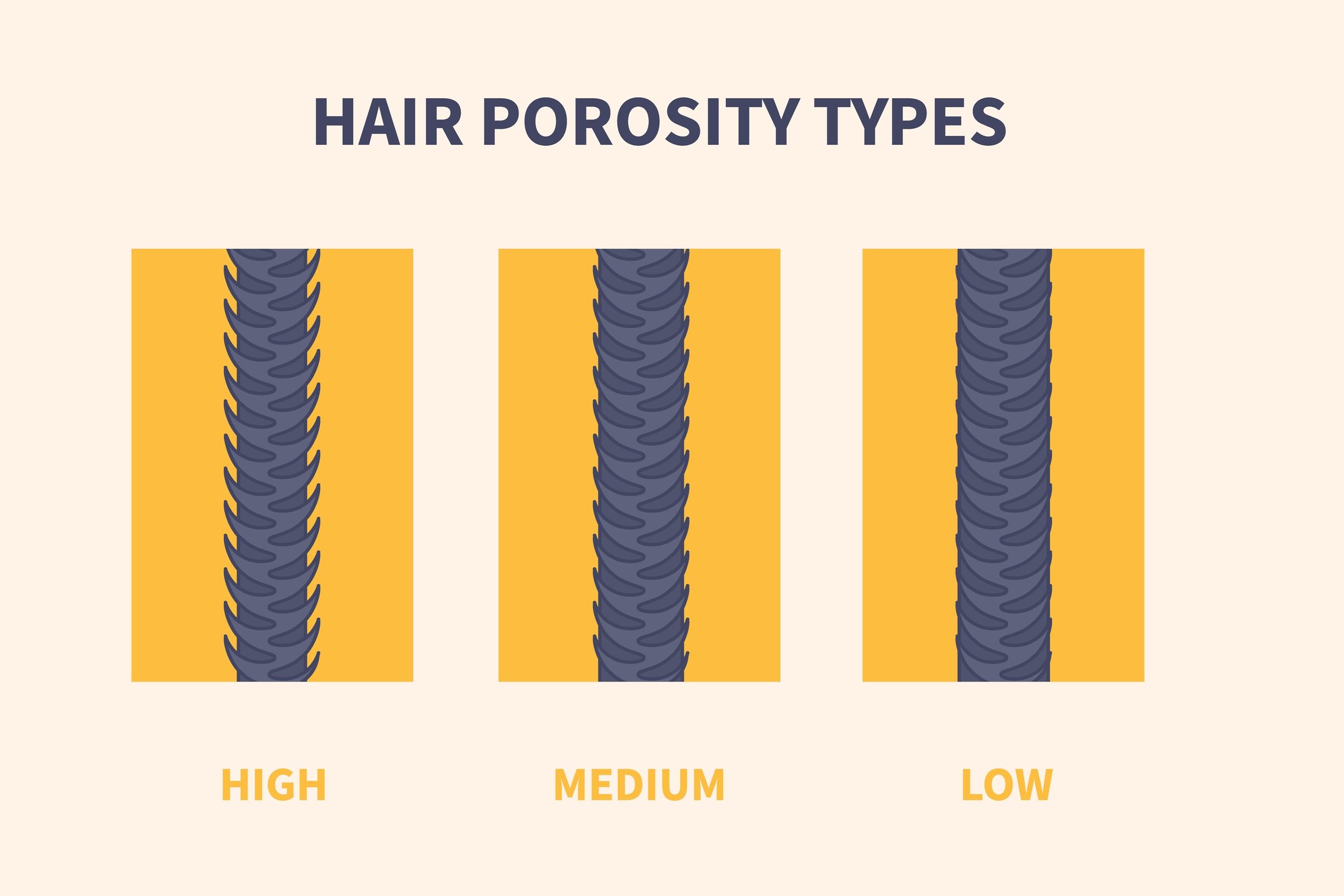
Porosity refers to the hair’s ability to absorb products or moisture well. Knowing how porous your hair is can help you determine what kind of products you should be applying on your hair. The higher the porosity, the moisture it will absorb.
To determine this, simply place a single hair strand in a bowl of water.
- If the hair strand sinks in the bowl, you have high posterity since the strand absorbs all the moisture. But this also means that highly porous hair is easily prone to damage or frizz since it can absorb chemicals well too. This kind of hair dries easily due to the high number of pores in the hair cuticle. Use more hydrating products since highly porous hair is too dehydrated.
- If the hair isn’t submerged completely but is simply right in between the topmost layer of the water, you have a rightly balanced porosity level. The hair type has the correct amount of moisture and feels wet, not sticky post a hair wash. It does not require a lot of maintenance and can hold any hairstyle effortlessly. Hair with normal porosity is less prone to damage.
- Your hair strand effortlessly floats on the surface if you have low porosity. This means your hair takes a long time to dry since cuticles have fewer pores and water tends to simply remain on the surface instead of getting absorbed. The products used often get settled on top of your hair rather than sinking in. After a hairwash, your hair stays wet for long hours and feels sticky.
Hair Greasiness:
We are all troubled by greasy hair, some more easily than others. So knowing how often your hair gets greasy can easily help you determine how often you need to wash your hair. You will also be able to pick the right products like clarifying shampoos to reduce build-up.
Do a patch test on the second day of your hair wash by placing a tissue on the top of your scalp, especially near the crown.
- If there is a patch of oil deposited there on the second day itself, you need to wash your hair at least 4-5 times a week and use a clarifying shampoo and conditioner.
- If there is light evidence of oil, you have a normal scalp and can wash your hair only 1-2 times a day.
- If your scalp is completely dry, you have no oil or natural moisture in your scalp and need to use a moisturizing shampoo and conditioner.
- If there is oil deposited on the tissue from only specific regions of your scalp, it indicates combination hair. Often, the hair behind your ears and over the temples secretes a high amount of oil
Hair Elasticity:
Hair elasticity means the degree to which one hair strand can extend prior to getting back to its normal state. It is a solid sign of hair wellbeing. Hair with high elasticity has a lot of shine and bounce and is viewed as the strongest of all hair types.
To figure out the elasticity of your hair, you want to pluck a wet hair strand and stretch it however much you can. Based on the outcomes, your hair flexibility can be sorted into one of three kinds.
- If your strand stretches a long way before it breaks, you have high elasticity and stronger hair. Hair with high elasticity (when wet) can stretch up to 50% of its original length before it breaks like coarse hair.
- If your hair extends to a certain length before it breaks, you have medium elasticity and can strengthen your hair using hair masks and oils.
- If your hair breaks easily, after stretching, it has low elasticity and tends to be limp and brittle. Stop using harsh chemicals and use shampoos that strengthen the cuticles.
Now that you have figured out the kind of hair you have, choose your products wisely and make sure to use ones that don’t have a lot of harsh chemicals in them. At the end of the day, your good hair days are determined by how well you take care of your tresses so be attentive to them.
Latest Articles





About Sonal Trivedi
Sonal is a sub-editor at Purplle.com. Besides having a flair for writing, she enjoys binge-watching true crime shows and cooks the best mutton biryani among everyone she knows. Her expertise lies in hair care as she’s always trying out some home remedies or experimenting with new launched products. She’s also an expert in beauty for men and talks about everything that guys need for their skin, hair and personal care. She writes about the tried and tested methods from her hair care routine which can never go wrong.