
Feminine Hygiene
Myths and Facts About Intimate Hygiene
Payal Bhattacharya
Self-care is not a fad! Taking care of ourselves mentally and physically should be a top priority throughout life. What’s interesting is that there’s more to self-care than staying in good shape, eating right and healing and loving yourself. It also extends to personal hygiene and how you clean up your vagina. Especially, down there!
Alright, no more beating around the bush (pun intended)! Today, we’ll be talking about intimate hygiene. Something that’s really important —specifically, vaginal and menstrual health and hygiene.
It’s great that menstruation and feminine intimate hygiene have gradually become a part of mainstream conversation. We still have a long way to go, though! There’s a lot of talk, sure. But as it happens, there are many myths around intimate care that have been doing the rounds since forever. Which is why we thought we’d clear the air a bit.
Our exclusive article on Myths and Facts about Intimate Hygiene will take you through some good-to-know feminine hygiene facts.
Weird Menstruation Myths
One can release a book on these, but we’ll keep it short! Here are two myths that sprung from the medieval belief that menstruating women have the bizarre ability to defile anything (or anyone) that’s within their reach.
The Death Stare
In some parts of the world, people took the phrase ‘looks can kill’ a little too seriously. Women on their period were thought to be particularly evil. Apparently, these women could store poison within their bodies and kill anyone with just one ‘venomous’ stare. Children were at high risk, so they were asked to stay away from these deadly ladies!
Bad Blood, Bad Food
Rotting food was associated with someone on their period. A menstruating woman was said to be impure, so if she handled any food or stepped into the kitchen to cook a meal, it would probably mean you’d be served the most revolting dish of your life.
Fortunately, weird age-old myths like the ones you just read are so obviously wrong and OTT, they don’t need to be debunked. By now, most people understand that periods are ‘normal’!
But there are still some myths around feminine hygiene that need to go away because these can affect our quality of life. Our intimate areas are vulnerable to infections, diseases, and bacteria, and treating them right could save us a lot of unnecessary discomfort and pain.
Let’s get right into it!
MYTH: Washing your vagina with soap is necessary
FACT
Not really!
The vagina has a self-cleansing mechanism which kicks to keep you free of any germs or bacteria. However, washing the genital area with water or a hygiene wash is generally a good practice. All you need to ensure is that you don’t overdo it!
Vaginal Douching (cleaning your vagina with excess water; think jet sprays) and harmful sulphates in soaps could definitely disturb the natural PH of the intimate area and break its protective barrier. What you need is vulva-friendly, intimate care products that can help you freshen up, keep the odour at bay, and are absolutely safe to use.
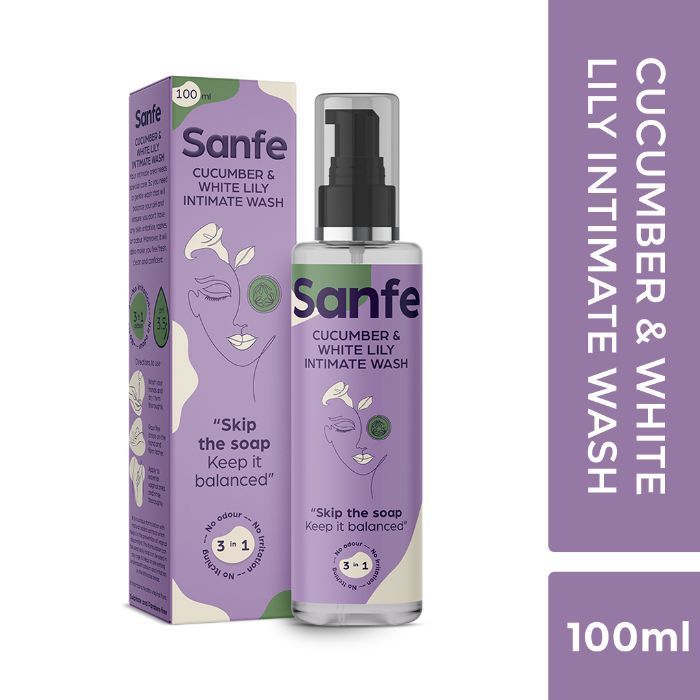
Sanfe’s Natural Intimate Wash is a mild and soothing solution that’ll keep your vulva clean day in and day out. It contains natural ingredients like cucumber, tea tree, witch hazel and aloe vera, making it all the more ideal for your intimate hygiene routine.
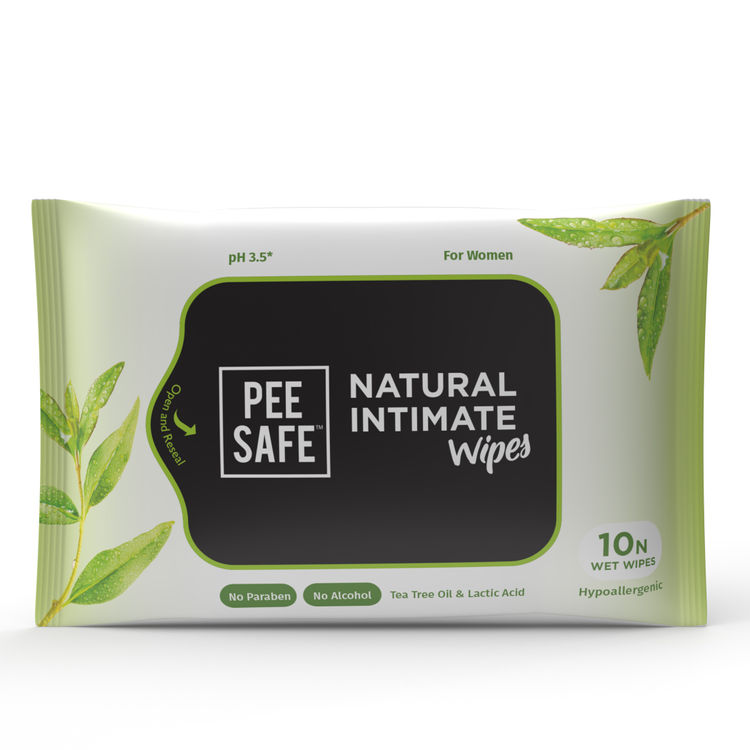
On a terribly sweaty day or when there’s some unexpected menstrual leakage, cleaning up with hygiene wipes is a quick, hassle-free solution! The Pee Safe Natural Intimate Wipes are a clean, travel-friendly option for ladies on-the-go. These wipes are made from viscose and are really gentle on the skin. Let’s just say when they’re around, rashes and allergies would be the last thing on your mind.
MYTH: Wearing a menstrual cup is super uncomfortable.
FACT
They’re definitely not supposed to be uncomfortable or painful to insert!
Perhaps, you haven’t found a good fit or your technique is wrong. If you’ve no clue what a menstrual cup is or haven’t used it yet, here’s what you should know. These cups are inserted in the vagina to catch period blood, and have to be removed and later emptied depending on your flow. If the concept is fairly new to you, the prospect of shoving something up your vagina could be nerve wracking! While this isn’t a baseless concern, menstrual cups are safe to use.
Are they a comfortable option, though? Totally depends on a few factors. Going with the right size is important because the cup should sit well in your vaginal cavity and be snug. It’s designed to painlessly enter your vagina and stay put for about 10-12 hours. These cups come with instructions, so read up before you try one of these.
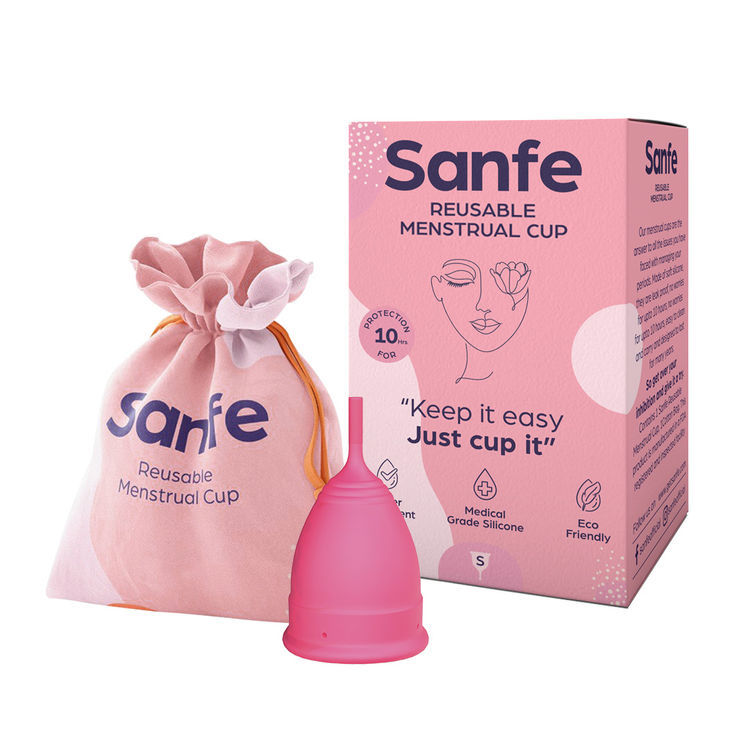
Sanfe’s Small Reusable Menstrual Cup is a handy little thing! It’s soft, durable, easy-to-use and will hold more blood than other regular cups. If you’re done with changing pads every 2-3 hours and want something that keeps your mind off period blood for a long time, this one’s worth a shot!
Pro Tip: Use water or water-based lubricant on the cup, before insertion. Just to make the process smoother.
MYTH: One pad will keep you going throughout the day! You don’t need to change in between.
FACT:
No way! This isn't clean and goes against feminine hygiene! You need to change your pad if it’s all soaked up.
Prolonged use of a damp sanitary napkin is bound to cause skin irritation, rashes or some sort of vaginal infection. Yes, it is a bother to dash into the loo between meetings or errands to get changed, but if you’re using sanitary napkins, you don’t really have a choice! Although, you can make life a lot easier by opting for sanitary napkins in the super absorbent category.
It’s also high time you moved away from the regular sanitary napkins available in the market. Using these isn’t the most comfortable experience. Since they’re chemically laced, you know what to expect don’t you? We’ll spell it out! Discomfort, skin inflammation, rashes, irritation—eek!
Yeah, that stuff really doesn’t suit! It’s best to use brands that ensure you’ll have a worry free period. One such brand is Sanfe. Sanfe Bamboo Sanitary Pads are a great alternative to whatever you’ve been using up till now! Sanitary napkins don’t get better than this.
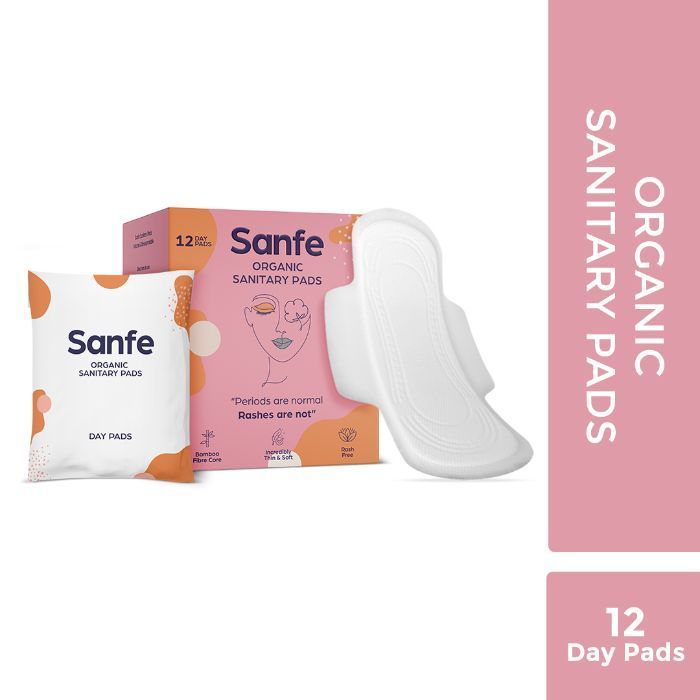
Sanfe pads are organic, eco-friendly, non-toxic and are totally free of fragrances! That’s not all. Ordinary sanitary napkins can disrupt your hormonal levels because they contain chemicals. Here comes the big difference! Sanfe pads are made from 100% organic cotton. It contains a natural bamboo core, is so thin, and offers multi-layer absorption to keep you afloat even when on those dreaded heavy-flow days!
MYTH: Wearing Tampons Overnight Can Harm You
FACT:
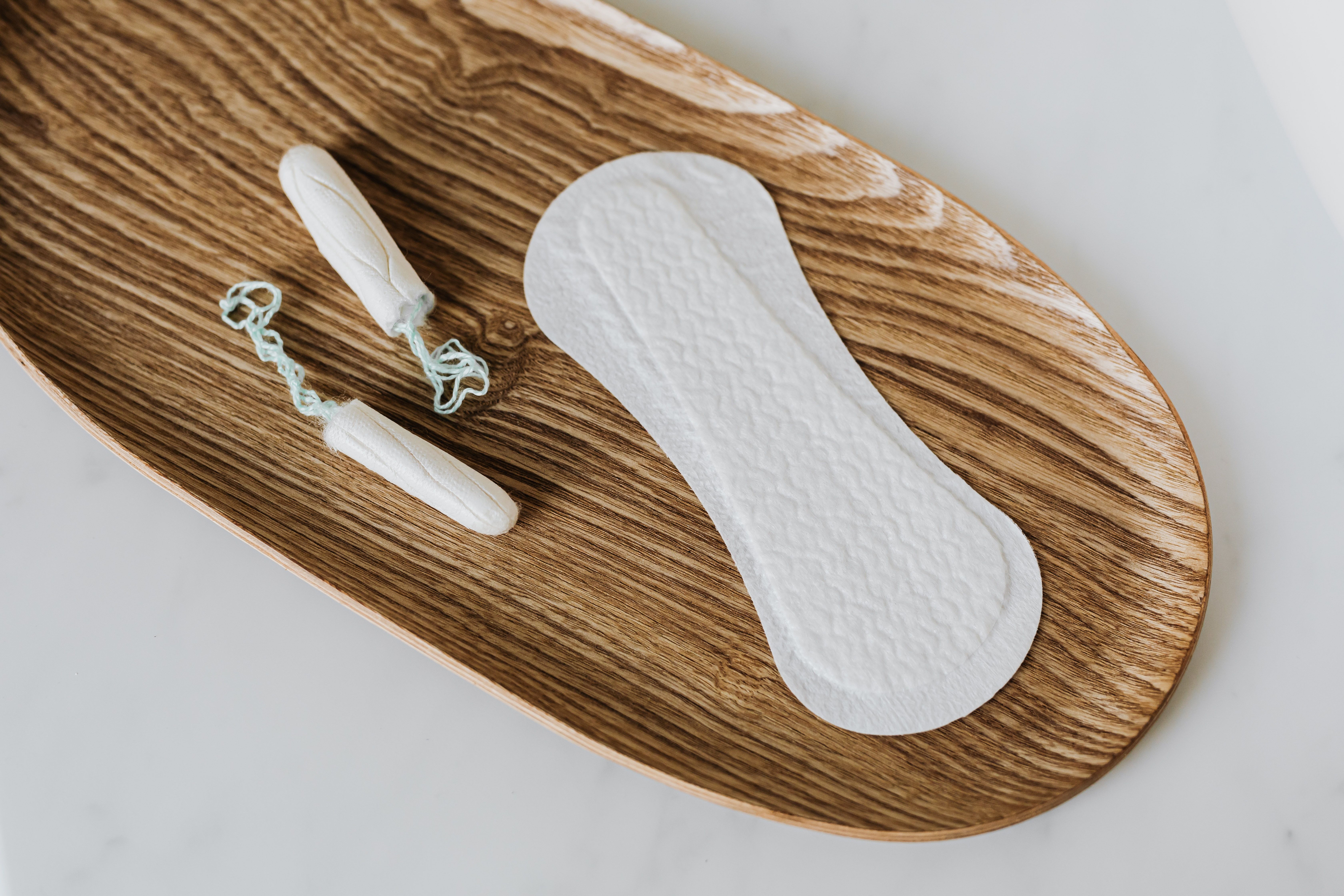
Wearing a tampon overnight shouldn’t be a problem, as long as you’re in the safe 8 hour zone. As a general rule, a tampon shouldn’t be inside you for more than 8 hours. There’s a risk of bacterial overgrowth and bad odour. In very rare cases, a freaky condition called TSS (toxic shock syndrome) could come get you if you aren’t doing this the hygienic way. Which is why, don’t take the risk! Insert it, use it, and throw it within the 8 hour range! That way, a tampon is totally safe.
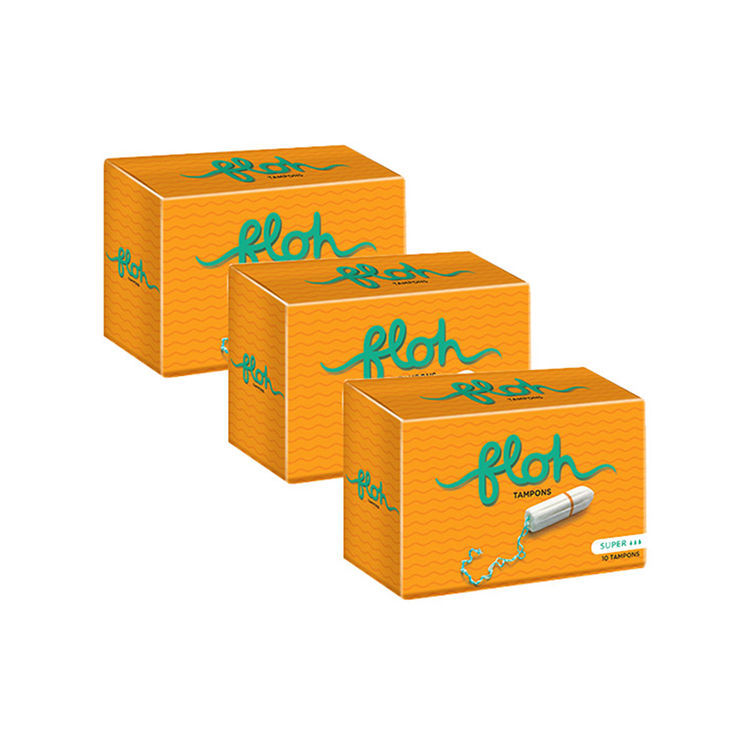
What would be a good option to use? Well, we recommend the FDA approved FLOH Super Tampons, that’ll keep your flow in check! For medium to heavy flow days, you can lean on this one. Made from a combination of cotton and rayon, these super tampons have an incredible capacity for absorption and are super-easy to use. It’s round and bullet-shaped, designed in a way to make insertion easier and pain-free.
How to use it?
Here’s what you do: Place the tampon in front of your vagina. Insert it slowly and gently into your vaginal opening. Strings should face outwards. And that’s it! If all goes well, the tampon should be inside you.
Pro Tip: Not doing this the correct way could be scarring. Make sure you’re not holding the tampon wrong while inserting it. Crooked tampons can hurt! So, relax, follow the instructions step by step and take it slow!
MYTH: Vaginal Itching is normal and it’s something I can live with!
FACT:
It’s certainly common to experience irritation and itching in your vagina, but it’s not normal. You need to keep a check on your symptoms. Of course, an itchy vagina doesn’t always mean you’re dealing with a yeast infection or anything more serious. Hormonal changes, bacterial infection, lice, STDs, or simply using intimate care products that are not working for you, could also be responsible for vaginal discomfort. Keeping all this in mind using a good intimate wash is also strongly recommended.
Maintain as much vaginal hygiene as you can on your own. If the symptoms still persist, it would be wise to consult the doc and take some medication to get rid of that itch!
MYTH: You can only use panty liners when you’re on your period
FACT:
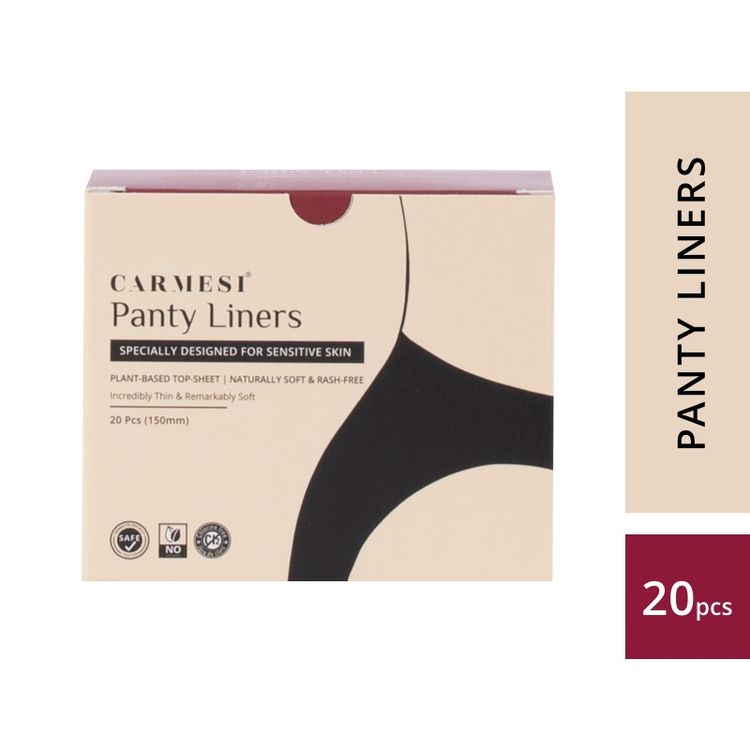
Not true! In fact, panty liners can be used every day. But hang on a sec! What’s a panty liner and why would you need it? To put it simply, a panty liner is a thinner version of a sanitary pad and it can save you when you’re in a ‘sticky’ spot. Yup! Panty liners are particularly useful in absorbing vaginal discharge and unexpected spotting. Know the benefits of panty liners.
Ladies need no introduction to vaginal discharge. Vaginal discharge can leave behind stubborn panty stains, odour and also an annoyingly wet and sticky sensation. If this happens to you often, using a panty liner could be a very effective, every day option to deal with your wet woes. Luckily, they’re lightweight, so wearing these would rarely cause any discomfort. Make the right choice, when you’re picking your panty liners. And that goes for all the intimate hygiene products you choose!
Carmesi Panty Liners for instance, are dermatologically tested and designed specifically for vaginal hygiene for sensitive skin. The plant-based top sheet ensures that you won’t have to worry about rashes and it’s so incredibly thin that you won’t even feel it! That’s the kind of panty liners you should use. A great option for you to stay clean, fresh and dry all-day.
MYTH: Whatever you do, you must shave pubic hair!
FACT:
Shaving might do you more harm than good. Why shave when a trim should do the trick?
Popular notions around beauty would have you believe body hair on women is ‘unclean’! When was the last time you saw a hairy model on the covers of a mainstream magazine? Almost, never!
As much as we’d like to normalize this very biological fact of life, being ‘hairless’ is still projected as a beauty standard.
Honestly, however ‘unwanted’ body hair might be (especially hair on your intimate areas), it’s there for a reason. Getting rid of it is a personal choice but is also a risk. For one, shaving your vagina won’t magically ‘clean’ it. Ironically, the pubic hair you hate, acts as a protective barrier and keeps dirt and infections away. Also, we’ve covered that the vagina has a self-cleansing mechanism.. So, all in all, shaving would be unnecessary and counterproductive.
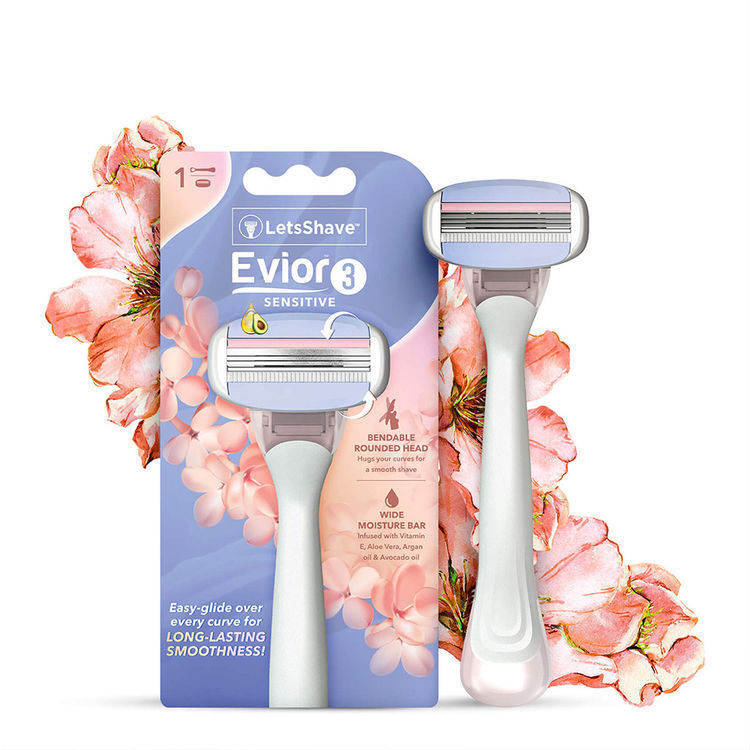
The correct (and safe!) practice would be to trim pubic hair with clean scissors rather than shaving it off. Still, if you think pubic hair isn’t pretty and you’re used to shaving down there, make sure you do it in the cleanest way possible.
Switch to a razor designed for a smooth and comfortable shave like The Let’s shave Evior 3 Blade Razor. Its wide moisture bar is infused with natural ingredients like Aloe Vera, Argan oil and Vitamin E to ensure a pleasant shaving experience.
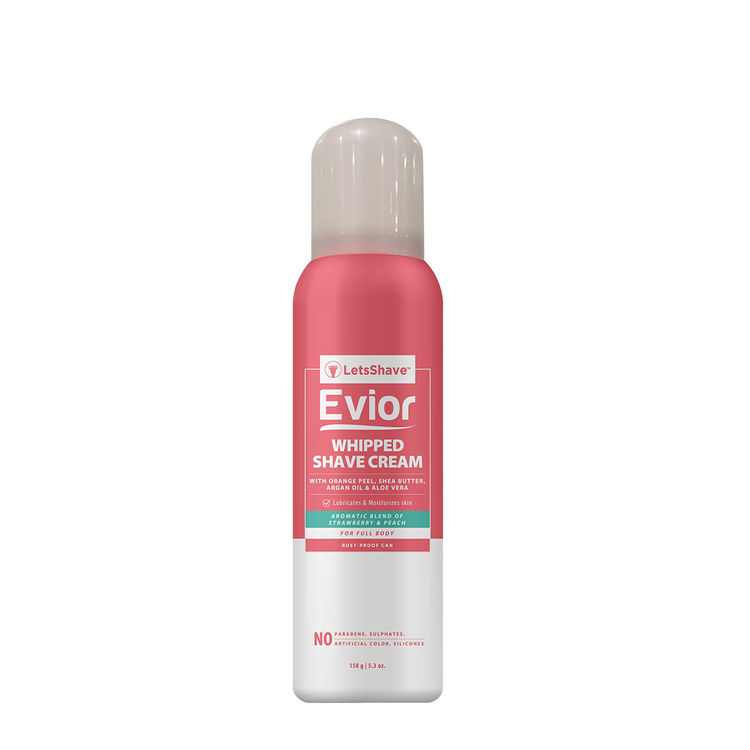
Pro Tip: It’s a good move to exfoliate your skin before the blades take over. Applying shaving cream will also prep your skin. So, choose a good one. You’ll find the Let’s Shave Whipped Shave Cream pretty useful. It lathers quickly, contains no harmful chemicals or sulphates, and won’t rip your skin!
Take Care!
Learn to be aware of your body and how it responds to certain products. If you’re unsure of certain vaginal health practices or you feel you should consult your gynaecologist to discuss the after-effects of intimate care products, that’s totally cool! Whatever you use should help you ride the crimson wave effortlessly every month and keep your vagina happy (and healthy).
About Payal Bhattacharya
Payal is an editor at Purplle.com. She believes that the world will be a much better place if everyone owns a cat, it’s bizarre but true. She’s very sensitive and particular about her skincare routines and never skips it even for a single day. She loves to read about intimate hygiene and educate herself about female and male personal care which clearly reflects in her writings.
Latest Articles