

Ingredient in Focus
Peppermint Oil: Benefits and How to Use it
Payal Bhattacharya
Why You Must Use Peppermint Oil?
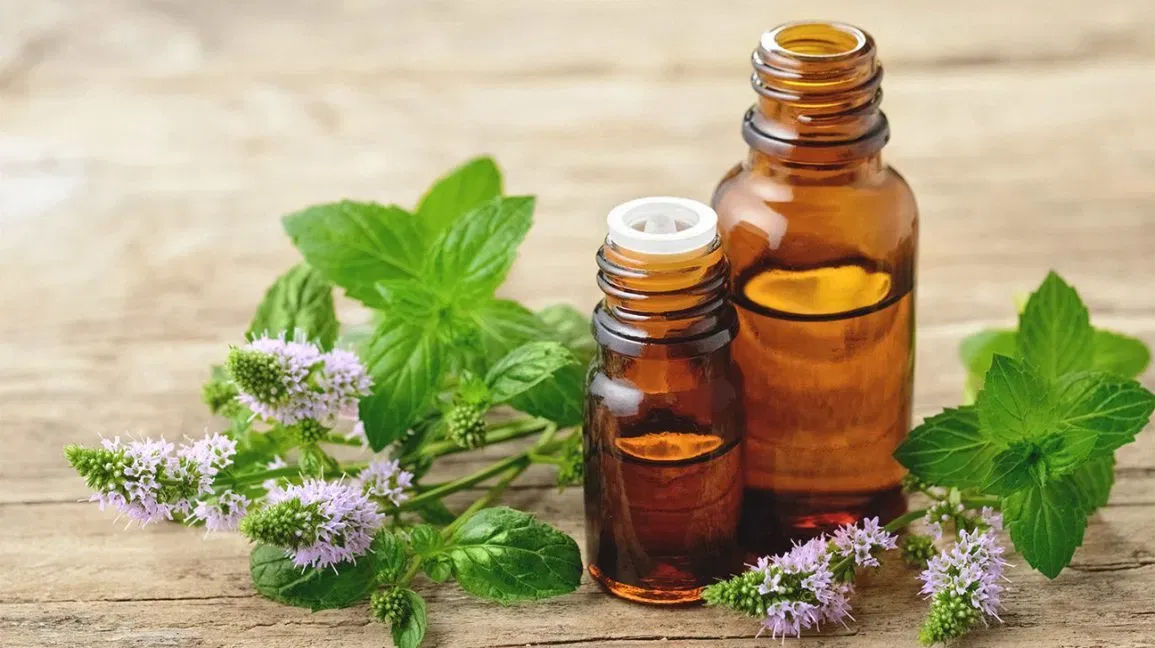
An aromatic herb from the mint family, peppermint comes from a blend of spearmint and watermint. It is widely found in Europe and North America. Peppermint oil is extracted from the leaves of the peppermint plant and has multiple uses.
Peppermint oil is found in a variety of forms - peppermint essential oil is used for aromatherapy and topical application, extracts are used for adding peppermint flavor to foods, and capsules are taken as dietary supplements. The primary chemical components of peppermint oil are menthol and menthone.
Benefits of Peppermint Oil
The earliest evidence of peppermint as a medicinal herb dates back to 1000 BC. But even today, the oil continues to be used for aromatherapy and cosmetics, and for treating certain ailments.
Here are some of the top peppermint oil benefits:
1. Promotes Hair Growth
Peppermint oil’s high menthol content increases blood flow and facilitates blood circulation to the scalp, which in turn promotes hair growth. It also reduces dandruff-related symptoms like dryness of scalp and hair.
2. Relieves Headaches
Peppermint oil is effective for fighting migraine and stress-related headaches. The oil’s aroma and its chemical components help in opening up the sinuses, clears congestion, and relieves headaches caused by severe cold.
3. Works as a Natural Painkiller
Peppermint oil is a natural painkiller and muscle relaxant that can be used externally on affected areas to get relief from pain. When applied topically to a wound or injury, peppermint oil accelerates the healing process, reduces swelling and mitigates the chances of inflammation.
4. Soothes Itching
This oil provides relief from itching caused by bug bites, poison ivy rash, and hives as well as provides relief to those suffering from diabetes, liver or kidney-related diseases who experience an itching sensation on the skin
5. Reduces Excess Oiliness on Skin and Scalp
Peppermint oil cleanses the skin and scalp while promoting a balance in the oil content by combating excess oil secretion. Irritation on skin caused by acne or allergies can also be healed gradually with its consistent use.
6. Alleviates Anxiety and Improves Memory
Peppermint oil’s aroma soothes anxiety, stress, improves memory, and ensures relaxation. It also sharpens alertness and thought processes.
7. Boosts Immunity
Peppermint oil improves immunity levels to fight against various diseases and is also known to have potent antiviral, antibacterial, and antifungal effects. The active ingredients in peppermint oil like camphor, menthol, and carvacrol are resistant to some bacterial strains like E.coli, salmonella, and staphylococcus infections and thus are used in alternative treatment.
How to Use Peppermint Oil for Skin
Skin Toner: Apply a mixture of apple cider vinegar, one drop of peppermint essential oil, and a few drops of water on your face and leave it overnight. Wash it off with cold water the next morning to get a toned and glowing face.
Face Scrub: Add 1-2 drops of peppermint essential oil to salt or preferably rock salt and a teaspoon of suitable carrier oil like olive oil to make an effective scrub which could be used twice a week. Scrub it on the face, leaving the areas around the eyes. This will help maintain your skin texture and natural oil balance.
Soothes Skin Itchiness: Add two drops of peppermint essential oil to one teaspoon of warm coconut oil or aloe vera gel. Apply this mixture to get immediate relief from itching sensation, including the itching caused by nasty insect bites.
Reduces Acne: Mix 1-2 drops of peppermint oil, 1 teaspoon of a carrier oil preferably olive oil and 1 teaspoon of vitamin-E and apply this mixture on the acne and rinse it off after a while. This not only eliminates the acne-causing bacteria, but also reduces blemishes.
Heals Sunburns: Add 15 drops of peppermint oil to a glass bottle measuring two ounces, fill it with aloe vera gel and shake vigorously. Apply this mixture over the skin to get relief from inflammation and promote healing.
How to Use Peppermint Oil for Hair
Hair growth: Add a few drops of peppermint essential oil to one tablespoon of coconut oil and massage it on the scalp and through the length of the hair. Leave it on for about 15 minutes and rinse it with your regular shampoo. This mixture is great for boosting circulation and promoting hair growth.
Enriches your Shampoo: Add a few drops of peppermint oil to your regular shampoo to obtain clean and healthy roots. The ideal ratio would be 5 drops of the essential oil for every ounce of shampoo.
How to Use Peppermint Oil for Medicinal Purposes
Cold and Cough: Add a few drops of peppermint essential oil to boiling water. Carefully inhale the steam rising from the water to get relief from a runny nose and congestion.
Eases Sore Throat: Take half a teaspoon of rock-salt mixed with peppermint oil and add to warm water. Gargle with it to eradicate the bacteria and get relief from sore throat
Dental Care: Create your own toothpaste by adding 3 parts of baking soda to 1 part of coconut oil, and about 2-3 drops of the peppermint essential oil. Mix well to form a thick consistency. Apply it on a toothbrush and use it as regular toothpaste to get bright teeth and eliminate bacteria. You can also add just a bit of peppermint oil to normal water and use it as a mouthwash.
Here are some of the best peppermint oils that you can try out:
1. Good Vibes Peppermint 100% Pure Essential Oil

This 100% pure peppermint essential oil has no synthetics. Whether you want to use it for skin and hair care or for aromatherapy, this oil works wonderfully well on a range of issues such as preventing acne, soothing skin irritation or eliminating dandruff, relieving respiratory congestion, increasing your scalp’s blood circulation, and reducing stress.
Explore: Bestselling Essential oil by Good Vibes
2. Alps Goodness Pure Essential Oil - Peppermint
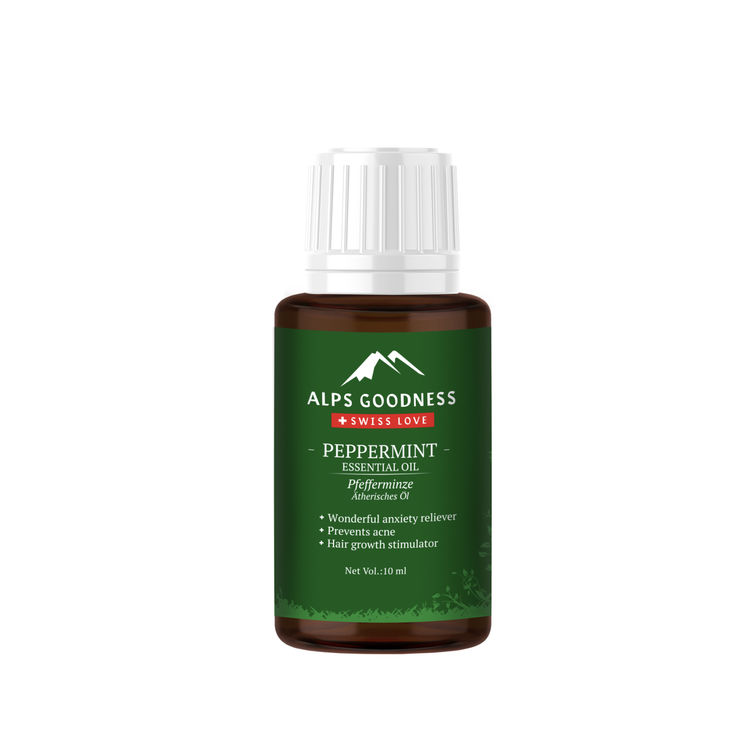
The soothing and cooling properties of this oil refreshes your skin and is great for fighting acne. It improves hair growth and prevents hair loss. The aroma has therapeutic properties and is effective against nausea and pain relief.
Explore: Top rated essential oil by alps goodness
3. Nutriment Peppermint Essential Oil
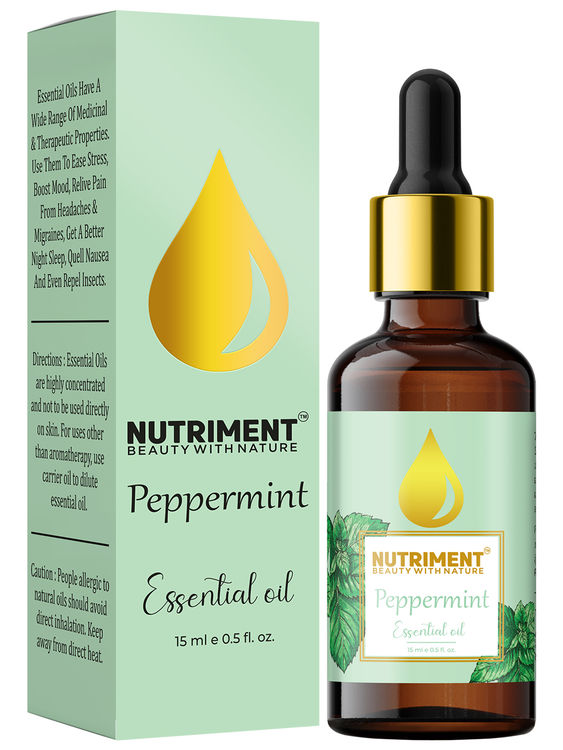
This oil is great for relieving sunburn, muscle pain, itchy skin conditions like poison ivy rash or insect bites. It moisturizes skin, eases stress, boosts mood, relieves headaches, promotes better sleep and improves concentration. It is paraben- and sulfate-free.
Explore: Amazing essential oil by Nutriment
4. Pure Chief Peppermint Essential Oil
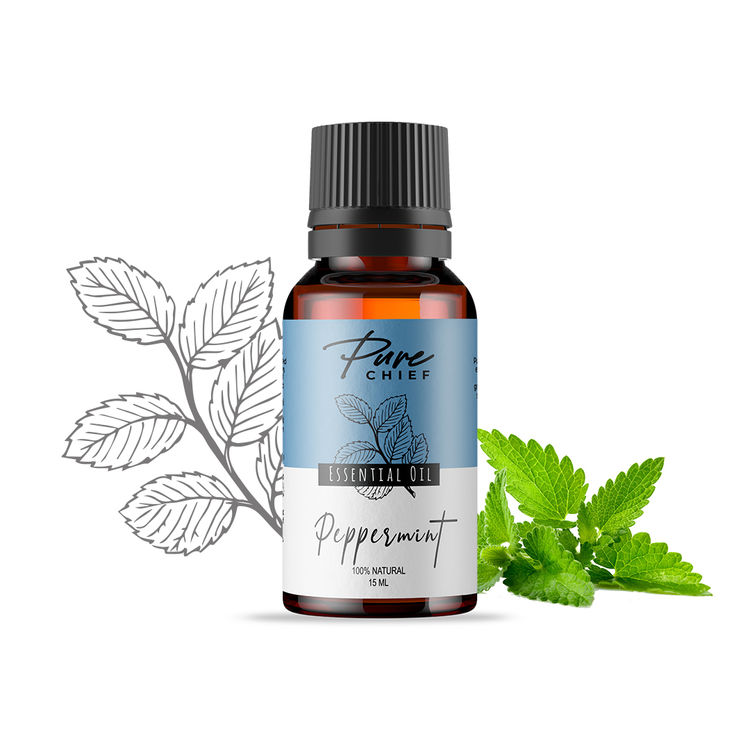
Extracted from the leaves of Mentha Piperita or peppermint by steam distillation, this is the finest grade organic essential oil. It offers a plethora of beauty and household benefits including hair growth, skin and face care, and relieving cold and congestion, and is excellent for aromatherapy. It is ethically sourced, undiluted, and 100% pure. You can also use it as a natural perfume to control body odor.
Explore: Genuine Chief - Essential Oils
Final Thoughts
From addressing health issues such as relieving GI discomfort, easing nausea, alleviating pain to beauty remedies for flawless skin and hair, the list of benefits of peppermint oil is endless.
Peppermint oil is generally safe, but it can be toxic when taken in very large doses. Also remember that you should always dilute peppermint essential oil before use.
Frequently Asked Questions
1. What is peppermint oil used for?
Apart from relieving skin conditions, scalp problems, and respiratory issues, peppermint oil helps with digestion and pain relief. It can be used in your house to keep bugs and flies at bay and for aromatherapy as well.
How do I use peppermint oil?
There are several ways of using peppermint oil, depending on what you are using it for. Since it is an essential oil that is concentrated, you should never apply it directly to your skin or hair. Always mix it with a carrier oil or dilute it before using it on your body.
Are there any side effects of using peppermint oil?
Peppermint oil does not have any side effects if used sparingly. However, if proper instructions are not followed, it can cause heartburn, headache, mouth sores, and more. So, exercise caution while using it.
Can I consume peppermint essential oil orally?
Peppermint essential oil is not meant to be taken orally. Possible side effects from taking peppermint essential oil orally include heartburn, nausea, and vomiting. Choose an extract instead, if you’re adding peppermint oil to food.
Read more:
- Best Essential oils for skin
- The Difference Between Essential oil & Carrier Oil
Latest Articles







About Payal Bhattacharya
Payal is an editor at Purplle.com. She believes that the world will be a much better place if everyone owns a cat, it’s bizarre but true. She’s very sensitive and particular about her skincare routines and never skips it even for a single day. She loves to read about intimate hygiene and educate herself about female and male personal care which clearly reflects in her writings.