

Skincare
Sunscreen With SPF 60 Decoded
Sonal Trivedi
Sunscreens are products combining several ingredients that help prevent the sun's ultraviolet (UV) radiation from reaching the skin. Two types of ultraviolet radiation, UVA and UVB, damage the skin, age it prematurely, and increase your risk of skin cancer.
Most sunscreens with an SPF 60+ & above do an excellent job of protecting against UVB. SPF — or Sun Protection Factor — is a measure of a sunscreen's ability to prevent UVB from damaging the skin. Here's how it works: If it takes 20 minutes for your unprotected skin to start turning red, using an SPF 60+ sunscreen theoretically prevents reddening 60+ times longer.
Another way to look at it is in terms of percentages: SPF 60+ filters out approximately 98 percent of all incoming UVB rays. SPF 30 keeps out 97 percent and SPF 50 keeps out 98 percent. They may seem like negligible differences, but if you are light-sensitive, or have a history of skin cancer, those extra percentages will make a difference. And as you can see, no sunscreen cream can block all UV rays.
But there are problems with the SPF model: First, no sunscreen, regardless of strength, should be expected to stay effective longer than two hours without reapplication. Second, "reddening" of the skin is a reaction to UVB rays alone and tells you little about what UVA damage you may be getting. Plenty of damage can be done without the red flag of sunburn being raised.
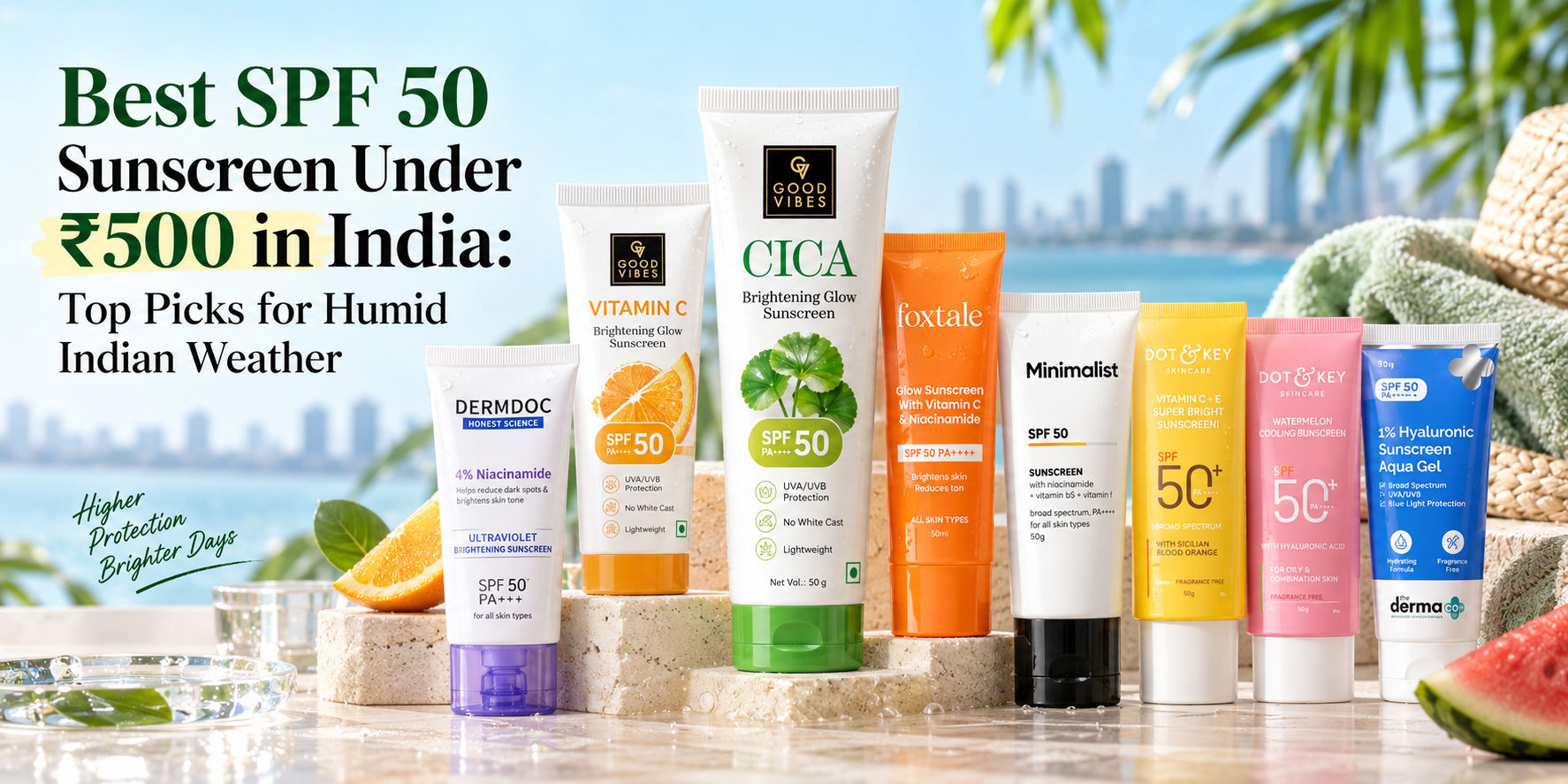
Just because a sunscreen has SPF 60+ does not necessarily mean that you are being protected from damaging UVA rays. SPF 60+ is only a measure of how well a sunscreen lotion protects you from sunburn, which you get only from UVB rays. UVA (ultraviolet-A) is a longer wavelength of sunlight that makes up 95% of all UV light reaching the earth's surface. It passes right through clouds and glass, and it is pretty much the same strength throughout the day and the year. Check out these 10 best sunscreen lotions for all skin types @Purplle.
What is Broad Spectrum Sunscreen Protection?
Broad spectrum protection refers to protection over the full range of UVA and UVB waves. Originally, best sunscreens were designed to protect against UVB rays, which cause sunburn but only account for a small portion of the full UV spectrum. UVB rays were once thought to be the only rays that could cause harm and UVA rays were thought to produce a "healthy" tan. We now know that UVA rays contribute to premature skin aging and some forms of skin cancer. A good broad spectrum sunscreen like with SPF 60+ will protect against most of the UVA and UVB spectrum from at least 370nm to 280nm. UVC is not a concern because it does not penetrate past the ozone layer and thus does not reach our skin.
Note: Best sunscreens with SPF 60+ including zinc oxide would even protect your skin from some UVC.
Whatever product you choose, experts recommend using a water-resistant sunscreen with SPF 60+ applied liberally one half hour before going outdoors. Sunscreen with SPF 60+ should be reapplied at least every two hours or after swimming, drying off, or sweating. Read more about sunscreens for combination skin here!
Buy sunscreen online in India @Purplle.
Read More:
- Sunscreen With SPF 40-60 Decoded
About Sonal Trivedi
Sonal is a sub-editor at Purplle.com. Besides having a flair for writing, she enjoys binge-watching true crime shows and cooks the best mutton biryani among everyone she knows. Her expertise lies in hair care as she’s always trying out some home remedies or experimenting with new launched products. She’s also an expert in beauty for men and talks about everything that guys need for their skin, hair and personal care. She writes about the tried and tested methods from her hair care routine which can never go wrong.
Latest Articles