

Haircare
The Hair Story Of Shampoo : History of Hair Shampoo
Sonal Trivedi
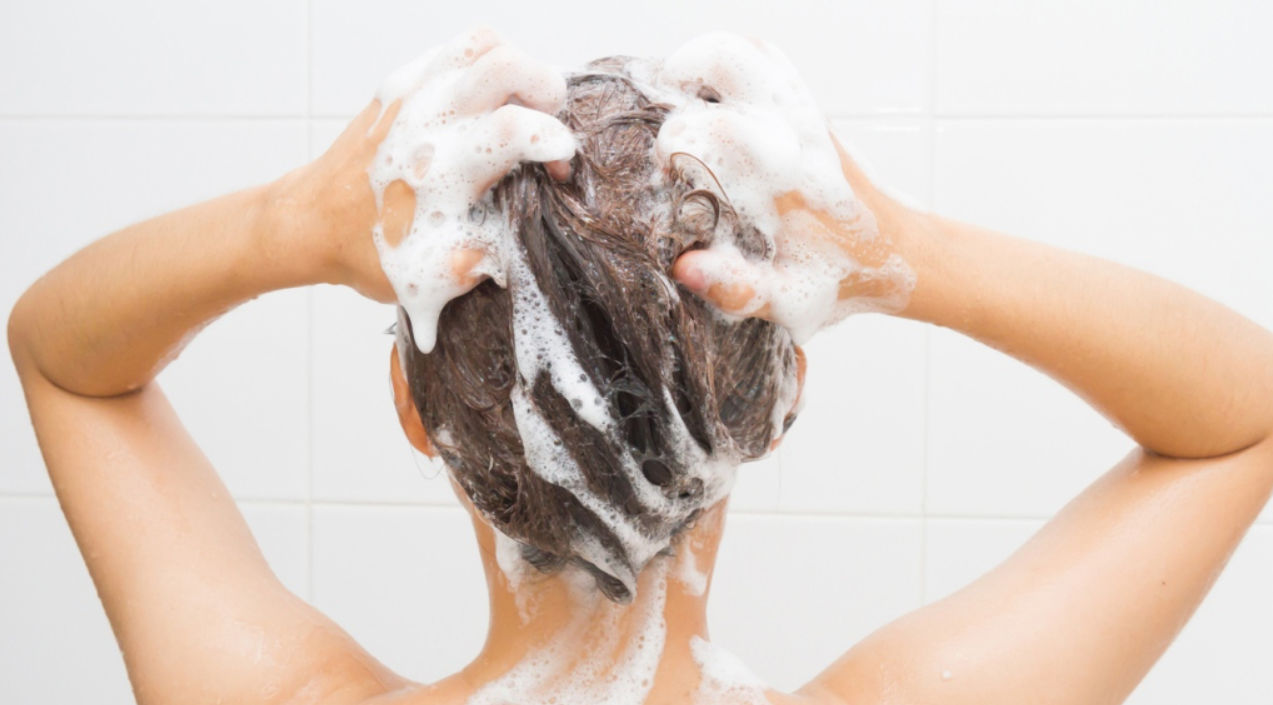
Lustrous and attractive hair never fails to create a good impression. Psychologists say that healthy hair speaks volumes about you and your life choices. Nourishing hair and scalp are of paramount importance because they get subjected to dirt, chemicals, and pollution. And one of the best ways to clean scalp and hair is shampooing, which we all take for granted. So, let us today know everything about shampoo, including its benefits, shampoo history, and evolution.
Why is Shampooing Important?
Shampooing is one of the essential hygiene habits that can benefit your overall health in the long run. It helps in keeping your scalp, hair, and body healthy. People who have oily scalp should shampoo their hair at least thrice a week.
It will help in eradicating dirt and excess oil from the scalp. On the contrary, people with dry scalp should shampoo not more than twice a week. Excess shampooing can rip off essential moisture and oil from the scalp surface, giving rise to frizz and dryness.
Here are the advantages of shampooing hair:
- It eliminates excess oil from the scalp.
- Shampooing prevents issues like psoriasis, dandruff, and hair thinning.
- Shampooing also helps in controlling the stress hormone, cortisol.
- It also helps remove debris, dirt, odors, and sweat effectively.
- Regular shampooing nourishes the hair and aids their growth.
History, Origin, and Evolution of Shampoo
Various civilizations have had diverse haircare and beauty practices for centuries. But have you ever thought about which country invented shampoo? Let us tell you it is not Egypt or any other European country. The truth is, shampoo has its origin in India.
That’s not all. India is also behind the origin of the word, shampoo. ‘Shampoo’ is taken from the Hindi word, ‘champo’, which means ‘massage and press'. Moreover, Chik Shampoo was the first shampoo in India.
Indian women, in the 1500s, used to wash and clean their hair with soapberry fruit pulp combined with some herbs. Along with this, they used specific ayurvedic ingredients like gooseberries and hibiscus extracts to clean their hair. It helped in keeping their hair healthy, clean, and growing.
England, 1814
Who invented shampoo? To be precise, an Indian Bengali entrepreneur and traveler, Sake Dean Mahomed, invented shampoo and introduced it to Britain. He launched an official shampoo booth in Brighton. He used a mix of soap shavings and herbs to make a concoction to wash tresses.
Germany, 1903
Soon this formula reached Germany, and Hans Schwarzkopf, a Berlin chemist, introduced Schaumpon. It was a violet-scented powder that was to be dissolved in water and applied on locks. There is more to it. After 25 years, he was the only one who gave Europe its first pack of liquid shampoo. And just like that, a multi-million dollar shampoo industry came into existence.
Dry Shampoo
People who think that dry shampoos are a recent thing, think again. Soon after the liquid shampoo, the concept of dry shampoo came into existence. It instantly became a popular hair product among women who are not too keen on undergoing the hassles of washing their tresses frequently with water.
The motto of water conservation and hair color preservation gave the desired push to this concept. Minipoo was the first waterless shampoo that made dry shampoos an inevitable part of the mainstream shampooing culture in the 1940s.
Evolution of Conditioner
Conditioners also made their way to the mainstream cosmetic market soon after. They play a crucial role in controlling frizz and enhancing luster of tresses. Like the shampoo, the conditioner also became a huge hit among both genders. There is a wide range of conditioners that are now ruling the cosmetic market.
The Bottom Line
So, this was all about the history of shampoo, its importance and its evolution. There are many types of shampoos available in the market. But experts recommend going for a brand that can nourish your hair to the core.
Moreover, they also advise staying closer to natural ingredients as much as you can. It calls for choosing shampoos and conditioners that are dermatologically tested and have natural extracts and herbs in them.
Latest Articles




About Sonal Trivedi
Sonal is a sub-editor at Purplle.com. Besides having a flair for writing, she enjoys binge-watching true crime shows and cooks the best mutton biryani among everyone she knows. Her expertise lies in hair care as she’s always trying out some home remedies or experimenting with new launched products. She’s also an expert in beauty for men and talks about everything that guys need for their skin, hair and personal care. She writes about the tried and tested methods from her hair care routine which can never go wrong.