

Skincare
What Exactly Is Comedonal Acne? A Synopsis of Comedonal Acne
Sneha Singh
What Is A Comedonal Acne?
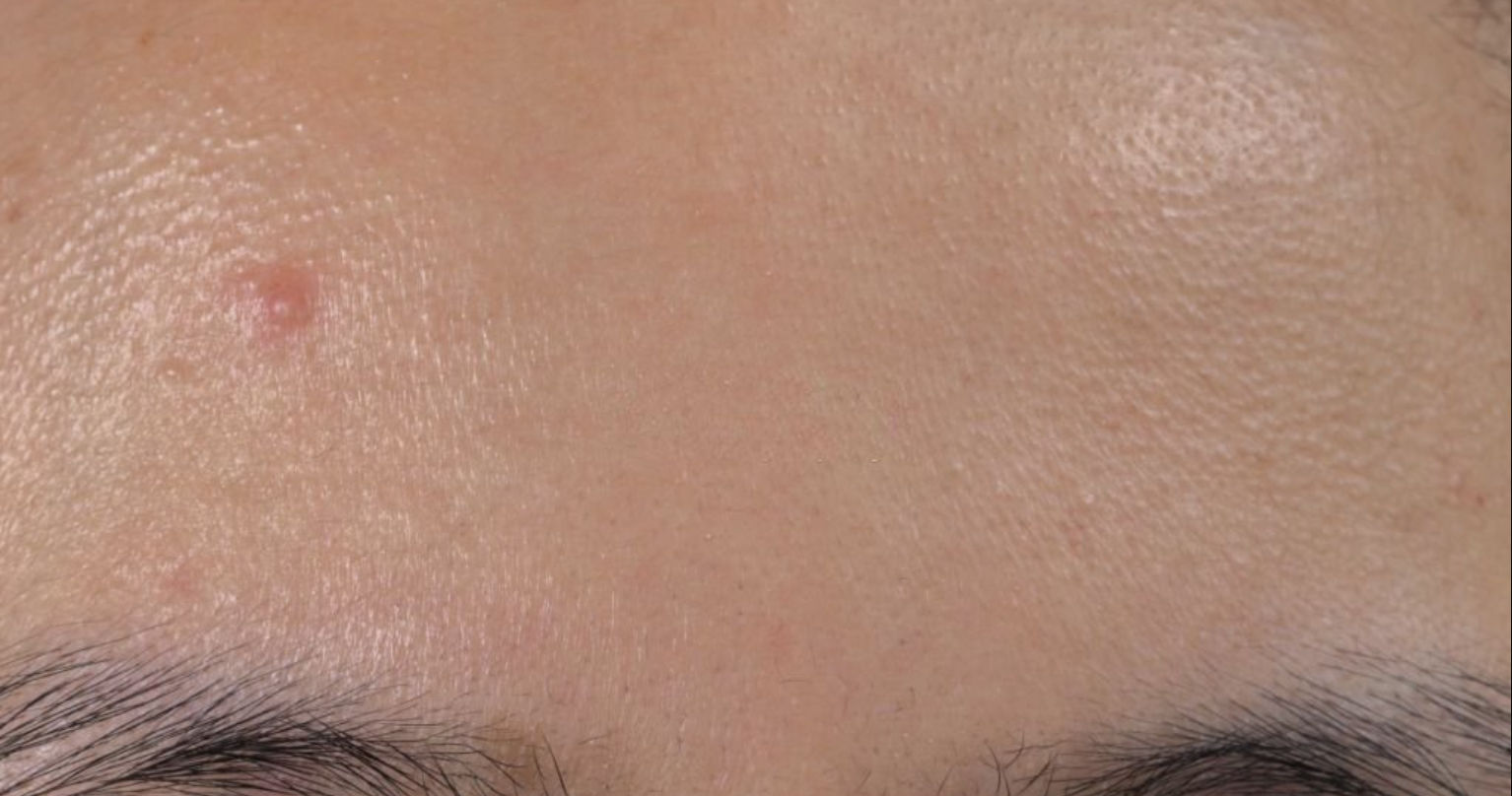
Acne occurs in many types. A comedo could be either white or black. Comedones in blackheads are "open," but those in whiteheads are "closed." They are little flesh-coloured acne papules that give the skin a rough appearance.
Comedonal acne typically appears on the forehead and chin. Skin bumps grow when pores or hair follicles become clogged with germs, oil, or dead skin cells. They do not cause as much inflammation or discomfort as other forms of acne.
Comedones form when the cells lining the sebaceous duct multiply (cornify), and sebum production increases. They are now also recognised to cause inflammation.
If your family members have frequent comedonal acne outbreaks, you may be more vulnerable. Hormonal variations also enhance the likelihood of acquiring comedones.
Types Of Comedonal Acne:
Comedonal acne does not cause inflammation. Typically, the blisters do not possess pus or bacteria that might cause acne. They are also not usually red or painful to the touch.
A person suffering from comedonal acne could simultaneously have more than one form of comedone. They are further distinguished from other varieties by the size of their lesions.
There are two kinds of comedones. These are frequently referred to as whiteheads or blackheads. The names are derived from how the imperfections appear on the surface. They are little bumps with a dark area on top that is either flesh-coloured or has a dark spot at the top.
Whiteheads: Whiteheads are closed pores that have become clogged. These commonly referred to as closed comedones, occur when a hair follicle is fully obstructed. They are usually the same colour as your skin or somewhat lighter than it and typically not bothersome. They appear in groups.
Blackheads: Blackheads are lumps on the skin with a black spot on top. These, also known as open comedones, are caused by surface pigments gathering in the pores and producing dark patches on the epidermis.
Some people think these dots are dirt. These clogged pores, unlike whiteheads, remain open. The dead skin and oils that clog it are subjected to the environment. The oxygen concentration then enables the spot to darken.
Giant Comedones: These enormous comedones are a kind of lesion. A big comedone is a disorder with a blackhead-like orifice.
Macrocomedones: These are enclosed comedones greater than 2-3 millimetres in diameter.
Microcomedones: These are tiny comedones that are usually not noticeable.
Solar comedones are caused by sun exposure and commonly appear in older individuals, mainly on the cheeks.
Causes Of Comedonal Acne:
Blocked hair follicles generate ordinary blackheads and whiteheads. Typically, your skin cells shed at the barrier, permitting new skin cells to develop. Dead skin cells can often become stuck within hair follicles & A clog can form when paired with the natural oils in your pore.
Various influences can play a part in the formation of comedonal acne.
- Skin irritation caused by contact with oils, dyes, and similar materials is one of them.
- An overabundance of testosterone levels can increase oil production & lead to the formation of comedones.
- Severe skin exposure, such as popping pimples, undergoing a chemical peel, or exfoliating harshly.
- Male sex hormone testosterone overactivity inside skin cells.
- Sebum with less linoleate has a larger scale and a lower barrier function.
- In anticipation of innate immune system stimulation, cells lining the follicle generate proinflammatory cytokines such as Interleukin 1 and IL-8.
- Acne microorganisms form free fatty acids from sebum.
- Premenstrual skin, moisturisers, or humid environments might cause overhydration.
- Contact with some substances, such as greasy pomades, isopropyl myristate, propylene glycol, and cosmetic colours.
- Certain nutritional variables, notably dairy products and meals with a high glycemic index, may lead to comedonal acne (sugars and fats)
This form of acne is more common in individuals with oily skin. It is also more frequent in smokers.
Prevention Of Comedonal Acne:
Here are a few measures you can do to mitigate or eliminate future comedo outbreaks:
- Cleanse your face. Use a mild face wash twice daily. After perspiring, make sure to wash your face.
- Avoid irritating your skin. Coarse or dehydrating agents should be avoided. Wash your face with tepid water instead of boiling water. Don't exfoliate your skin too vigorously.
- Regular shampooing is recommended. Keeping your hair and scalp fresh will help minimise outbreaks along the hairline and scalp.
- Avoid picking at your skin. When you touch them, germs from your fingernails can spread and cause diseases. Picking or bursting pimples can aggravate them and cause damage.
Comedonal Acne Treatment:
The key to treating comedonal acne is to target the root of the problem, increased oil secretion from the pilosebaceous units. Therefore, treating comedonal acne includes modifying skincare routines, using medicinal creams or gels, and, in some instances, altering one's diet.
A comedone-reduction skincare routine may include:
- Avoiding the use of oil-containing skin and hair care items, particularly makeup
- Avoid plucking at the acne. This will aggravate the situation and result in scarring.
- Using a prescribed medication or over-the-counter topical medicine daily.
Medicated lotions and gels can help eliminate excess oil while promoting skin cell turnover. An efficient drug may include the following ingredients:
- Adapalene
- Azelaic acid
- Peroxide of benzoyl
- Lactic acid
- Salicylic acid
Contrary to aggressive acne, comedonal acne seldom responds well to hormonal treatments like birth control pills, accutane, or antibiotics. However, over-the-counter medicines might sometimes not be powerful enough to remove comedonal acne permanently. In this scenario, a doctor may offer in-office therapy to block off comedones and prevent them from returning. Among these therapies are:
- Microdermabrasion
- Cryotherapy
- Electrosurgery
Comedonal Acne Treatment That Is Natural:
There are several natural comedone treatments. Natural remedies for all forms of acne, even comedones, are progressively being researched. These, however, are not a substitute for a medication regimen recommended by your healthcare physician.
1.Tea Tree Essential Oil
Tea tree oil is used in traditional medicine to cure many skin conditions. It's said to help with irritation and allergies. Tea tree oil may aid in treating comedonal acne by lowering sebum and soothing the skin.
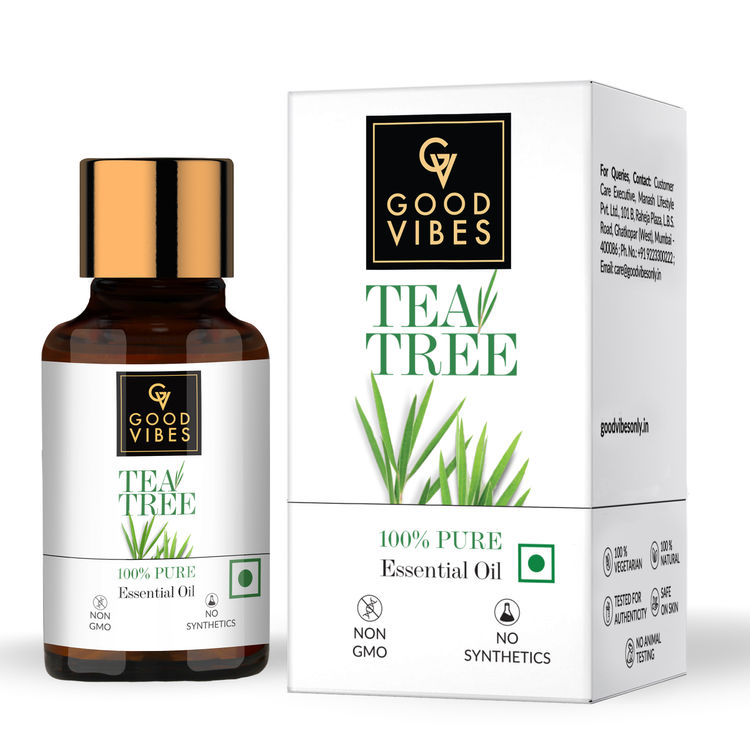
Try out some more essential oils from GoodVibes.
2.The Herb Witch Hazel
Witch hazel serves as an organic exfoliant to help regulate the hydration in your skin. It also has the advantage of loosening closed comedones and can aid in the removal of entrapped dirt and other contaminants. You can substitute witch hazel for your regular astringent twice a day.
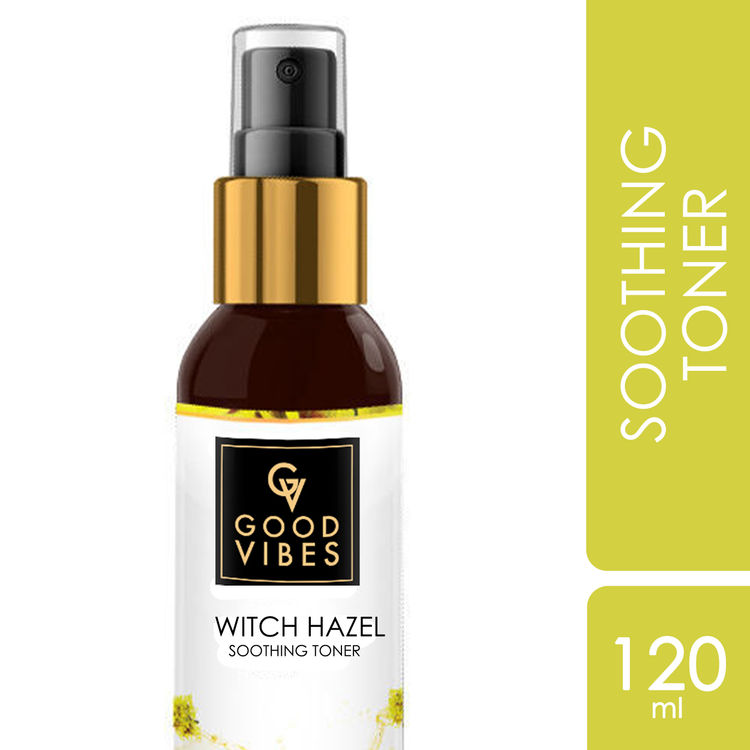
Explore more toners from Goodvibes.
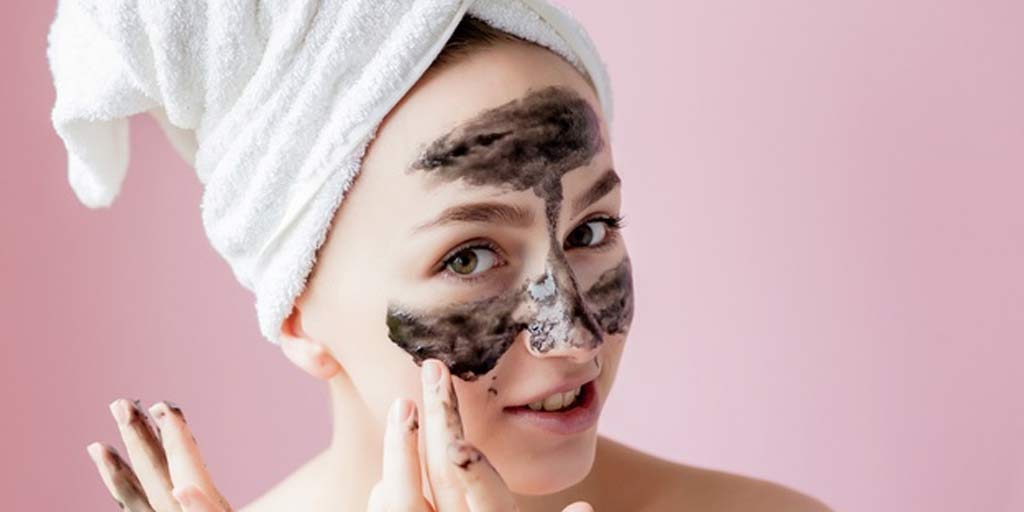
3.Using Clay Or Charcoal Masks
Charcoal and clay masks perform more effectively than other formulas for comedonal acne since they help drain away stored grease in your pores. They can also assist in the elimination of accumulated debris and skin cells, making blackhead eradication quicker.
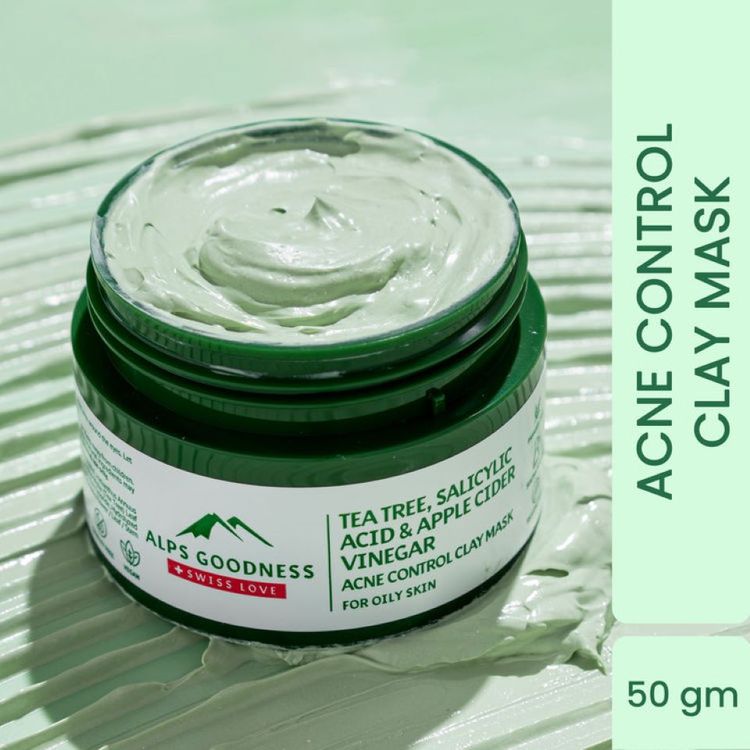
Try other few Face Masks From AlpsGoodness.
Frequently Asked Questions:
Q. What causes comedonal acne?
Ans. Comedones occur when excessive oil and dead skin cells block the body's natural oil-producing follicles. The damaged pores stretch outward, resulting in the formation of comedo.
Q. Is comedonal acne a lifelong condition?
Ans. It may take weeks or months to show results on your skin. Remembering that comedonal acne needs long-term therapy is critical, and control is also vital. Since overactive oil glands never really go away, new comedones might form.
Q. What is the most effective method for treating comedonal acne?
Ans. To get rid of blackheads and whiteheads, use a retinoid product. Retinoids, which are obtained from vitamin A, assist in significantly reducing the buildup of clogged pores and aiding in the prevention of infection. A benzoyl peroxide-containing face wash can also mitigate microbes on the epidermis from infecting comedones.
Conclusion
Although comedonal acne causes less skin inflammation than other types of acne, it can be bothersome. It may be tough to treat on your own, so get guidance from a professional or an expert.
Persistence is also essential when battling skin disorders. A therapeutic agent may take a few months to show results on your skin. Shop for the products that may assist you in your journey for better skin only on Purplle. If your already suffering through acne, here are few foods to avoid acne.
Latest Articles





About Sneha Singh
Sneha is a writer at Purplle.com. When she is not writing beauty stories, her mind weaves out supernatural and science fiction stories which she pens down in her diary. Sneha is an expert in Makeup, Health & Skin care and can advise you on all you need to know about keeping your body healthy with vitamins, minerals and a lot more. She is clearly a gym freak too and digs up on diet plans & cooks healthy food for her family & friends. Besides health, she also writes about baby and mothers’ care & her guides are very helpful for new parents. She likes to experience new adventures with one bite at a time.