

Ask an Expert
Causes of pustules & treatments
Rhea Pal
Acne, pimple, blackhead - inn sab ka naam toh suna hi hoga. But Pustules? Sounds unheard of, right? Don’t worry. It isn’t as serious as it sounds. Proper treatment and good skin habits can wipe off this problem very quickly.
What are Pustules?
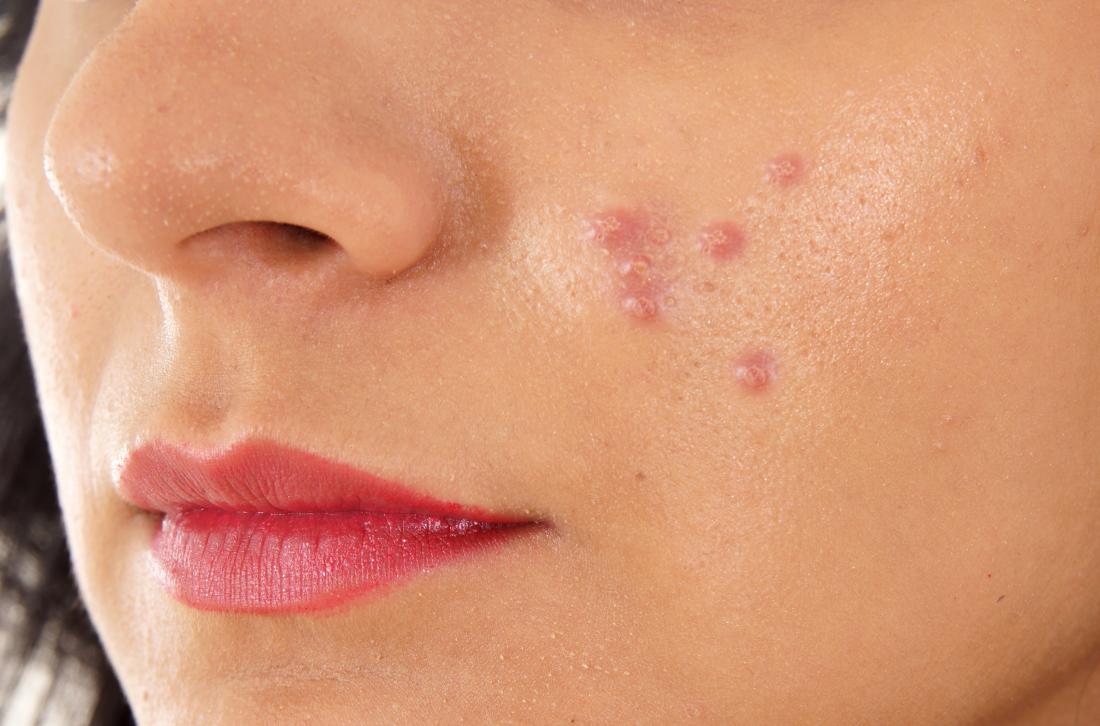
Not a lot of people know Pustules meaning. So let’s define it first. You must have woken up one day and noticed a small whitish bump on your skin. The areas around the bump must have looked red. If your answer to these questions is a yes, then you have suffered from Pustules.
This bump is filled with puss and fluid. Some think it’s a pimple. But it’s much bigger than one. They can appear anywhere. But people have complained that they mainly see it on their neck or face or back.
Why do Pustules occur?
- Blame it on your hormones or rather hormone imbalance. Especially during those teen or young adult years, your body goes through a lot of changes. So do your hormones. As a result, the skin gets clogged with dead cells, sweat oil, and grime. These form acne and when that acne gets too severe you suffer from pustules.
- The other reason why pustule is formed is environmental aggressors, insect bites, or even food allergies.
How do I know if they are Pustules?
You might not understand it right away. Keep an eye on the area when you get a slight bump or an inflamation. As days go by, if you see it getting bigger, the center becoming whiter, the skin around looking redder and more inflamed - in all probability, you do have Pustules. Typically it happens around the neck, back, or face. The more painful ones occur on the arms, legs, underarms, and groin area.
You can also be assured it’s a pustule if it pains when touched. Sometimes the inflamation is tender, very painful to touch, and feels warm as well. If the infection gets severe you might get fever or vomiting or even diarrhea. When it reaches this stage, it is advisable to go to a doctor or an emergency room.
Sometimes, these pustules erupt suddenly, without warning. Typically, in such a situation, it is a bacterial infection. In such a situation too, we’d advise you to see a doctor.
Very often, we have seen people trying to pop a pustule. NEVER.EVER.DO.THAT. The dirt and grime from the skin can affect the infection area and simply make it worse. It is always good to understand the problem and then treat it with warm water and medication.
Why do I get Pustules?
Pustules can happen due to a number of reasons. One of the major ones is the weak skin barrier. When the skin barrier is not strong, environmental aggressors like pollution or dirt can cause an infection. It starts off innocently but can mature into a pustule.
You can also get one if the walls of the skin are clogged with oil, sweat, and dead skin cells. The deposition of so much dirt causes an infection. The moment the infection becomes a little too serious, you might notice a Pustule. Typically people have complained of this skin problem in areas that cannot be aired too much or are more prone to sweat.
- Acne: A pustule may start off as a pimple or acne. We call them pustule acne.
- Chicken Pox: This is a viral skin disease. It fills your body with a rash or blisters which are puss filled. They itch and can be really uncomfortable. Your doctor might prescribe an ointment to dry off the fluid. In cases where the blister becomes big, it matures into pustules. As the virus is treated the pustules also often dry up on their own.
- Small Pox: The situation here is very similar to chicken pox. Smallpox goes through stages and lasts about 5 weeks (start to finish). You might have to go through what we call the Pustular Rash period. The blisters become pustules. It remains like this for 4 to 5 days. After that, you might find it drying out and forming scabs.
How do I treat Pustules?
Pustules can be treated in a variety of ways depending on how severe the situation is. Most of the time, it is cured at home with a cream and topical ointments. However, when it becomes really severe, medical attention might be required.
- Antibiotic Cream: Depending on whether the cause of the pustule is bacterial, fungal, or viral, you need to apply an antibiotic cream. It will help curb the ill effects of the infection and dry out the pus or the fluid.
- Antibiotic Pills: Sometimes, the infection is serious and topical creams refuse to work. In such a situation, the body needs pills that will work from within.
- Azelaic / Salicylic Acid Cream: Most of the time, acne pustules or pimple pustules can be treated with these creams. They go into the deeper layers of the skin and dry out the fluid. Salicylic Acid is known to reduce oil, clear clogged pores and swelling while Azelaic Acid clears bacteria, reduces inflamation, and heals the skin faster.
A few final learnings:
Most of the time, Pustules are not very severe. It can easily be treated at home or avoided completely by following extremely hygienic practices. Keeping the skin clean and squeaky is one of the most effective ways. However, in a situation where you do have Pustules, see a medical person and follow the course of treatment.
A few Frequently Asked Questions
Q1. Can I pop a pustule?
Ans. We would recommend extreme caution while popping a pustule. The first is timing. You should also have an antiseptic medicine with you. Always pop it with warm water and a soft cloth or cotton. Do not be harsh on the skin.
Q2. Can Pustule need surgery.
Ans. In cases that are extremely severe and the infection is also serious, you might need medical intervention. Sometimes the Pustule runs deep into the skin in which case removing it surgically is convenient and the wound heals faster too.
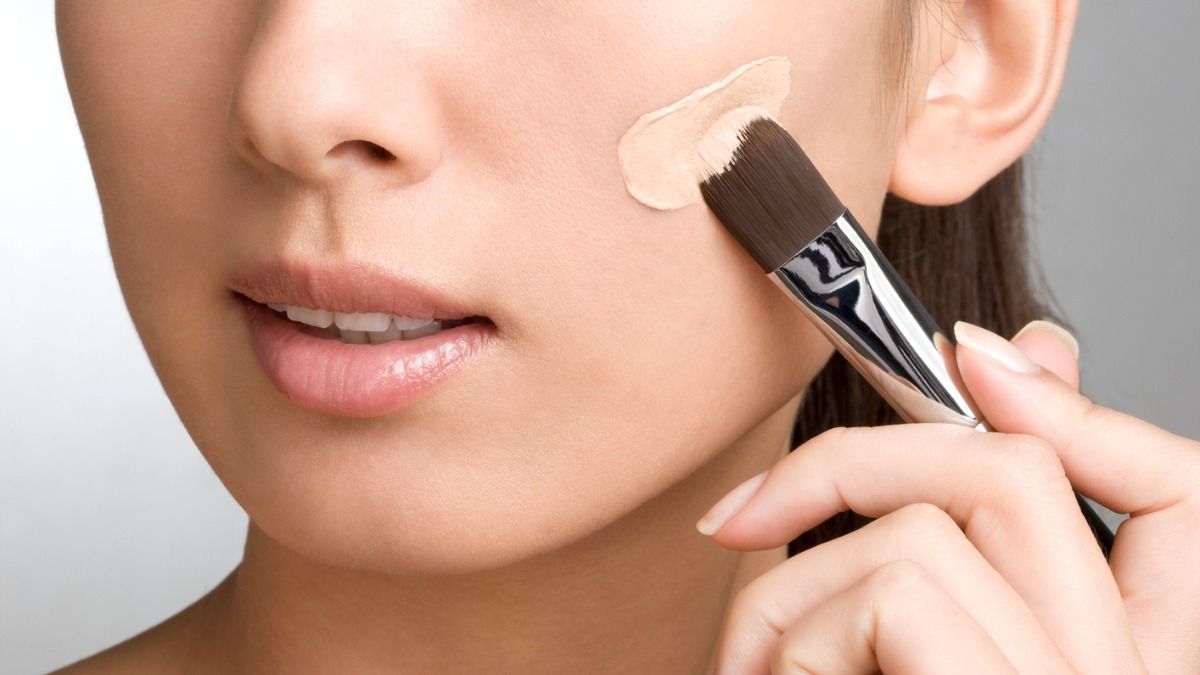
Q3. If I have acne pustule, can I wear makeup?
Ans. Yes, you can. But make sure you clean your face well and use products that are made for acne skin.
Read More:
- All about Acne: Causes, Symptoms and Treatments
- 10 Common Skin Diseases
Latest Articles





About Rhea Pal
I am the Content Editor for Team Purplle.