
Skincare
All about Acne: Causes, Symptoms and Treatments
Sneha Singh
We all desire blemish-free skin. But pimples, blackheads, and pustules have their own agenda. It almost seems like they have malicious intent, as they seem to pop up just before, say, you have a hot date!
You can bury your head in the quilt and cry your eyes out, but you know that unsightly bump isn’t going anywhere anytime soon. Yes, it’s just frustrating.
So, what is acne? And more importantly, how do you treat it? Let’s get to the root of the problem.
What is acne?
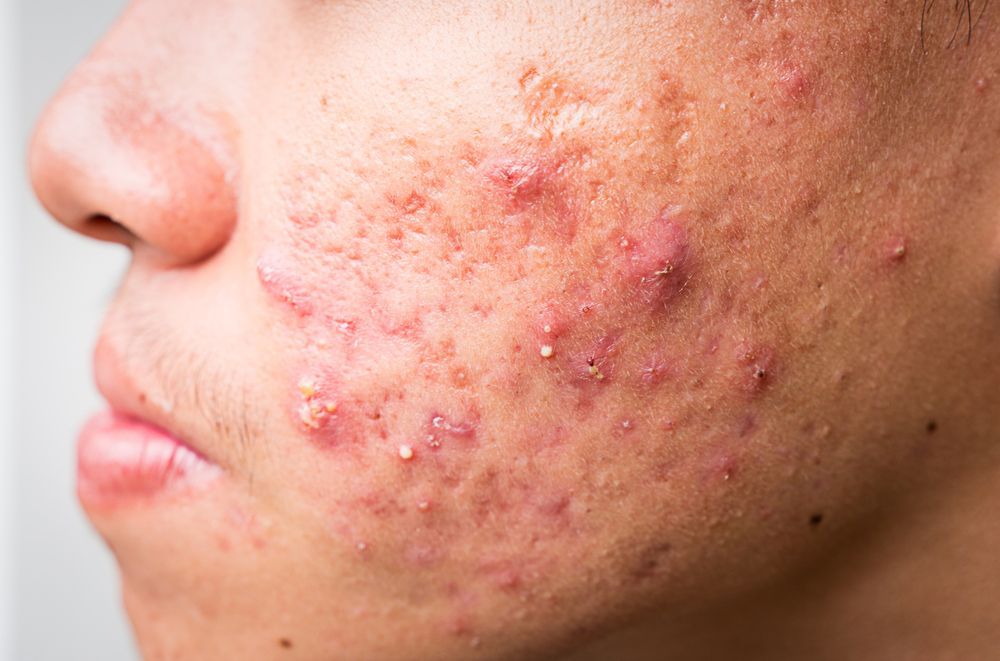
When your hair follicles get clogged with oil and dead skin cells, you have breakouts in the form of blackheads, whiteheads or pimples. Most teenagers have acne at some time or the other, but adults are affected too.
Reasons why you get acne
Many factors are responsible for the appearance of acne, such as:
- Bacteria
- Inflammation on the skin
- Excess production of sebum
- Clogged hair follicles
Acne is more noticeable when it appears on your face. But you can get breakouts on your upper back and shoulders too. This is because these areas have more sebaceous [oil] glands than in other parts of the body.
So, why are some people more prone to acne than others? Several reasons contribute to the problem:
- Hormonal changes that take place at puberty or during pregnancy
- Smoking
- Lack of sleep
- PCOS or polycystic ovarian syndrome
- Endocrine issues
- Anxiety and stress
- Beauty products such as creams, cleansers, moisturisers that contain a lot of oil
- Medications such as birth control pills, steroids, and anticonvulsants
- Hereditary reasons
Weather can play a role, too, as seasonal dust particles can clog pores, leading to acne. Surprisingly, tight clothing can also be a reason. The friction causes tiny breaks in the skin that may allow bacteria to enter, causing breakouts. The type of fabric is also a factor. As some fabrics are less breathable, acne-causing bacteria gets trapped on the skin, causing breakouts.
Acne and puberty
During puberty, a lot of hormonal changes take place in the body. Oil production increases on the skin, leading to acne. By and large, breakouts stop once you reach adulthood.
What are the different types of acne?
Common acne types are blackheads, whiteheads, fungal acne, nodules, pustules, papules, and cysts.
So, how do you identify the breakout on your face? Let’s find out.
1. Blackheads

When the hair follicles on your skin get clogged with sebum or dead skin cells, you get blackheads. These bumps are easy to identify as they have a black tip. When the skin on the bump is exposed to the air, it becomes dark, hence the black tip.
These are generally mild and not that visible. Apart from your face, they can also appear on your chest, back, neck, shoulders, and arms.
Checkout: What are Blackheads? Symptoms, Causes & Treatment
2. Whiteheads

A type of acne, whiteheads are closed bumps on the skin. They occur when dead skin cells and oil clog the hair follicles. These comedones can be yellowish or white.
Checkout: White Heads: Causes, Symptoms and Treatment
3. Fungal acne

Fungal acne occurs when there is an infection in the hair follicles. They look like small pimples that are more or less uniform in size. They may be accompanied by itching.
It’s easy to confuse fungal acne with acne vulgaris.
However, these are two very different skin conditions and need other treatments. Using anti-acne creams or treatment on fungal acne can spell disaster, worsening the situation.
Checkout: How to Treat Fungal Acne at Home
4. Nodules

Acne nodules resemble small bumps. These bumps under the skin can be skin-coloured or red if there is inflammation in the surrounding area. While other types of pimples have ‘heads’, nodules have an even surface and can be painful when touched.
These bumps can be there for months and, over time, can harden into deep cysts.
5. Pustules

Pustules are bumps on the skin that have pus or fluid in them. Generally, they are white in colour with red skin surrounding them. While they look a lot like pimples, they can grow in size.
Pustules are commonly found on the face, the chest, and the back. But they may be found in other areas of the body too. Sometimes, they come out in clusters on the same part of the body.
6. Papules

An acne papule is a red bump on the skin. Acne papules are also called zits or pimples. Papules can be of any colour, size or shape. A cluster of papules can sometimes become a rash.
7. Cysts
Cystic acne is pus-filled acne that grows deep under your skin. They can be large and painful. There may be a risk of scarring, so it's best to let a dermatologist treat cystic acne.
How do you treat acne? Treatment for acne
Over-the-counter medication for acne generally works. In case you don’t notice any change after a few weeks of treatment, you can consult a dermatologist.
Your doctor may suggest the following:
- Retinoids or similar drugs - may work for moderate acne issues.
- Antibiotics - can help eliminate skin bacteria, thereby reducing inflammation.
- Azelaic acid and salicylic acid - azelaic has antibacterial properties. It occurs naturally in yeast. Salicylic acid, on the other hand, prevents hair follicles from clogging.
Treating acne for oily and combination skin
For your skincare routine, you need to:
- Start off with a cleanser
- Follow up with a toner
- OTC acne treatment actives
- Moisturise
- Don’t forget the sunscreen!
- At night, add serum to the regimen before applying a moisturiser.
Treating acne for sensitive skin
- Select products that don’t irritate your skin
- Avoid skincare products that contain harsh chemicals
- Avoid heavy, oil-based products such as lotions, sunscreen, and moisturisers
- Opt for oil-free, non-comedogenic products
- Don’t use products that contain fragrances, alcohol, and dyes.
Treating acne for dry skin
- Remove dirt, bacteria, and grime using a gentle cleanser
- Apply a non-comedogenic, oil-free moisturiser after cleanup
- Avoid overwashing your face
- Avoid exfoliating as it dries the skin
- Retinoids are effective for the treatment of acne
- Use oil-free moisturiser before you apply acne medication
- Apply acne medication only on spots that need it
- Start with small doses of medication and build up as tolerance increases.
Treating acne for normal skin
- Cleanse your face
- Apply OTC acne medication
- Apply a moisturiser, preferably oil-free
- Sunscreen
- Cleanse again at night
- Apply retinol product
Note: Resist the urge to poke!
Poking and prodding your pimple is the last thing you should do. It not only breaks open the pore, inviting infection, and can leave unsightly scars.
Lifestyle changes: Best daily routine to avoid acne
A lot depends on your lifestyle. Once you incorporate these changes, you will not only feel better, but you will also find your acne reducing over time. Let’s check them out.
1. Exercise
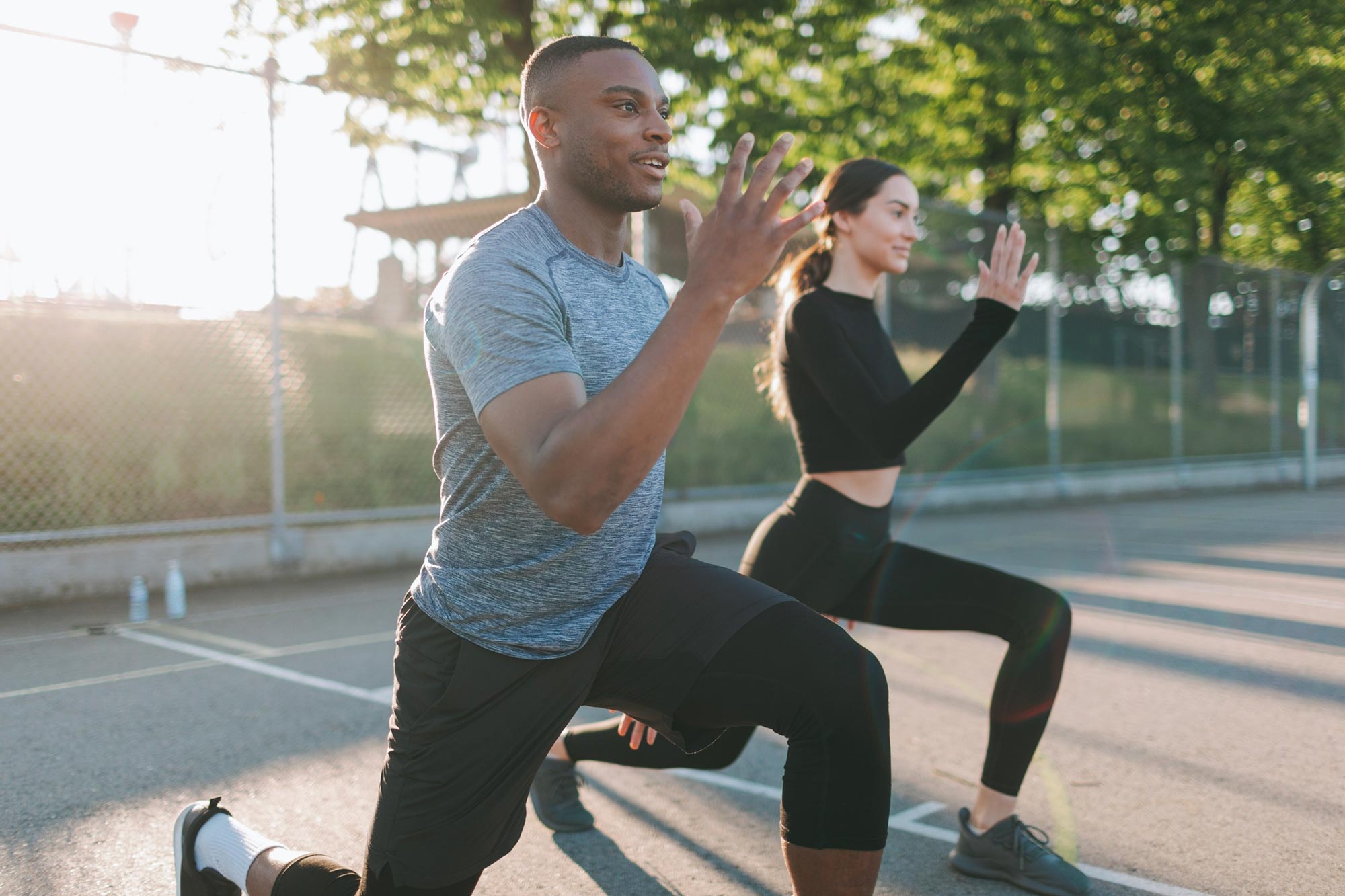
Yes, you sweat a lot when you exercise and that is enough to put you off, especially if you have acne. However, exercise opens up the clogged pores reducing the chances of fresh breakouts. Shower after a workout.
2. Eating the right foods

Certain foods can prevent inflammation and as such are good for acne. Almonds, avocados, blueberries, and kidney beans are some of the foods you should try to add to your diet.
Checkout: Foods that can cause acne
3. Water, lots of it!
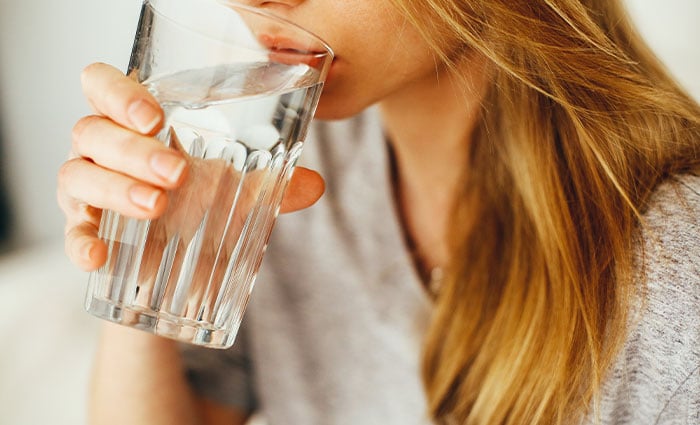
Water improves bodily functions. Organs like the liver control hormone production, thereby preventing acne.
If you are worried about which facewash to use for acne prone skin then explore these 10 effective acne prone skin facewash in india.
Frequently Asked Questions
1.How long does it take for acne treatment to work?
You will start noticing a difference in a month or so. It will take a bit longer for the acne to clear up. It could take around two to three months.
2.How much is too much medication for acne?
Acne treatments contain agents that can dry out your skin. Too many treatments at a time can irritate your skin, and you may even have more breakouts.
3.Do you continue acne treatment after you apply a moisturiser?
Apply a moisturiser before you go for your anti-acne treatment products. However, it's best to apply a moisturiser as often as needed as your skin can dry out with the treatment.
Read More:
- How to get rid of forehead acne
- How to Treat Acne With Azelaic Acid?
About Sneha Singh
Sneha is a writer at Purplle.com. When she is not writing beauty stories, her mind weaves out supernatural and science fiction stories which she pens down in her diary. Sneha is an expert in Makeup, Health & Skin care and can advise you on all you need to know about keeping your body healthy with vitamins, minerals and a lot more. She is clearly a gym freak too and digs up on diet plans & cooks healthy food for her family & friends. Besides health, she also writes about baby and mothers’ care & her guides are very helpful for new parents. She likes to experience new adventures with one bite at a time.
Latest Articles