

Acne
How to Get Rid of Forehead acne
Payal Bhattacharya
1. What is forehead acne?
Forehead acne frequently appears as solid red pimples called papules. You may also see lumps with an accumulation of pus on top. These are known as pustules.
Acne should be treated appropriately no matter where it appears. To help the pimples to heal faster, you can take over-the-counter or prescription medication. To avoid scarring, avoid picking at your acne.
2. What causes forehead acne?
a) Hormonal changes
Androgens are hormones that induce the sebaceous glands to expand and produce more sebum in both males and females throughout puberty. Hormone fluctuations, especially in women, can cause breakouts in their forties and fifties.
b) Unhygienic
Acne is considered to be exacerbated by failing to maintain proper cleanliness standards. Leaving your hair and face greasy and not washing them on a regular basis can result in oil deposits on your face, which can lead to acne.
c) Stress
Acne outbreaks are also connected to high levels of stress.
d) Chemical products
Makeup ingredients can sometimes cause acne on the forehead, especially if your skin is sensitive. Your skin can break out when you try a new cosmetic brand.
You may also develop acne if you touch your face too much. By touching your skin, you deposit oil and bacteria into your pores.
e) Certain medication
Acne can be an adverse effect of several medications. Certain medicines, such as corticosteroids, lithium, anticonvulsants, barbiturates, androgenic steroids, DHEA, and bromides or iodides, can produce genuine acne or acne-like outbreaks.
f) Wearing hat or headband
Hats/headbands are a common cause of acne on the forehead. Friction and heat can be created when your hat scrapes against your forehead. The combination of heat and friction can cause your skin's hair follicles to get blocked, resulting in a kind of acne known as acne mechanical.
3. How to treat forehead acne (with steps & procedure)
a) Aloe vera gel
Aloe vera belongs to the succulent family of plants. It has thick, serrated leaves and grows wild. The clear gel inside aloe vera leaves is used topically to calm burnt or irritated skin, and some individuals use it to cure acne. Aloe's antimicrobial properties are most likely what makes it useful for topical acne treatment.
There is also a school of thought that says that eating aloe vera orally might be useful for moisturising and mending your skin from within, although there is significantly less evidence to back up that claim.
Obtaining pure aloe vera and applying it liberally to your face instead of a cleanser will improve blood circulation in your skin and destroy harmful bacteria. To minimise redness and irritation, spot-treat your acne breakout spots with aloe, leave it on overnight, and then wash it off the next morning.
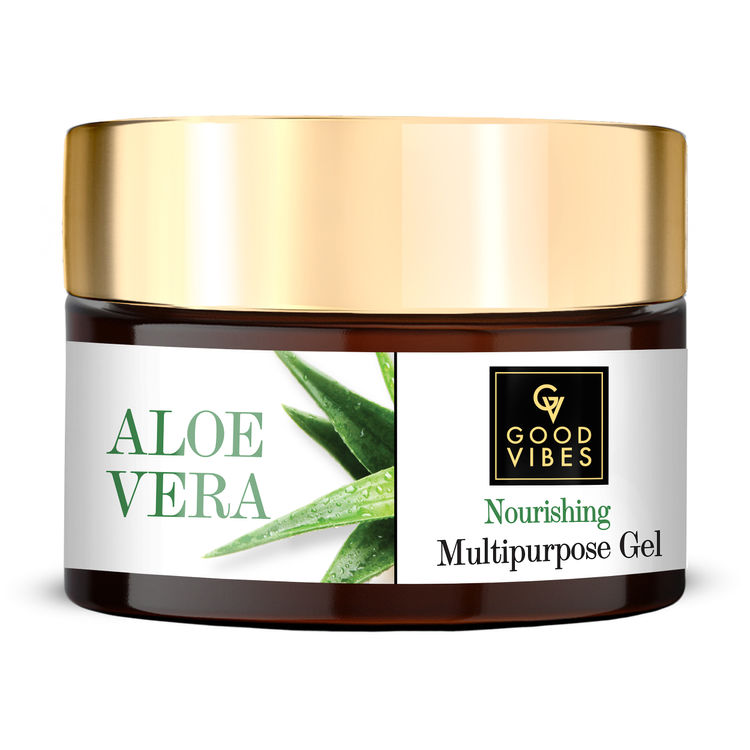
Check out: Good vibes Nourishing Multipurpose Aloe vera gel on Purplle.
Customer Rating: 4.3 / 5
Crafted with passion, skill and fresh ingredients, Aloe Vera Gel penetrates the skin four times faster than water and helps moisturize the skin's layers. After all in life, all you ever need is love, beautiful hair, glowing skin and Good Vibes!
Explore: Amazing Face cream by good vibes
b) Tea tree oil
Tea tree oil is derived from the leaves of the same-named Australian tree. For many generations, Aboriginal Australians have utilised it as a traditional remedy.
Apply the oil after cleansing your face with a light cleanser for acne-prone skin. Use a cotton ball or pad to dab diluted tea tree oil on the blemishes. Allow the oil to dry. Apply your usual moisturiser after that.
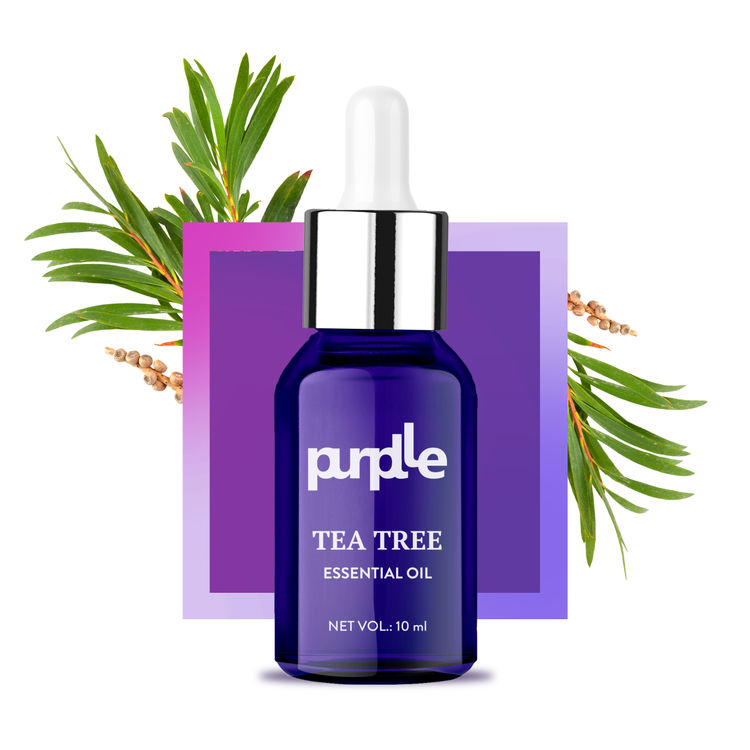
Checkout: Purplle tea tree essential oil now.
Customer Rating: 4.2 / 5
A famous anti-bacterial agent, Tea Tree is a native of Australia. When used in your care routine, it helps treat acne and prevents acne-forming bacteria. It is a natural detoxifier which cleanses and purifies the skin. It helps strengthen hair and remove dandruff.
Explore: Best selling Essential oil by Purplle
c) Zinc
To treat acne, doctors can give zinc-containing medications. This can be taken orally or used topically. Altering or supplementing one's diet can also help to boost zinc intake.
1. Medication applied to the skin
Pastes, gels, and creams are common forms of topical therapies. Zinc sulphate, zinc acetate, and zinc octoate are some of the most used zinc-based topical medicines.
2. Medications to be taken orally
Zinc sulphate, zinc gluconate, and zinc salts are examples of common oral zinc-based treatments.
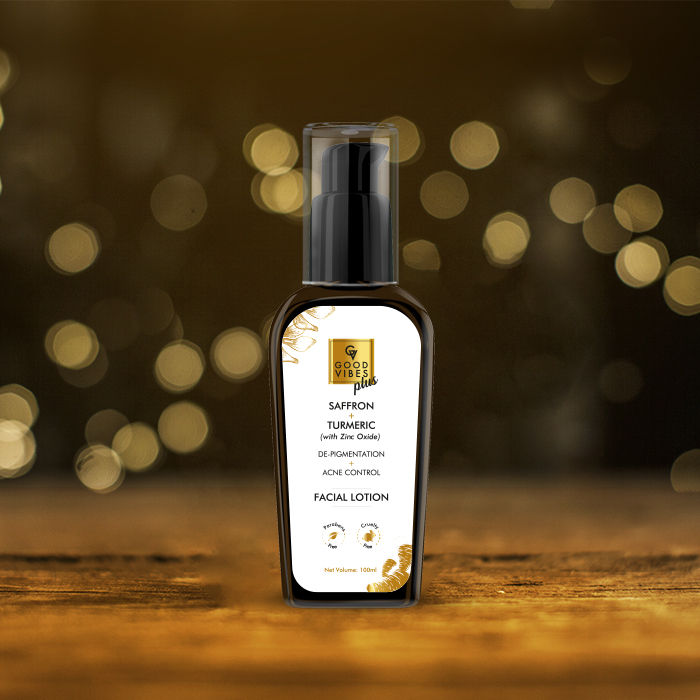
Check out: Good vibes plus de-pigmentation acne control facial lotion with saffron, turmeric, and zinc-oxide.
Customer Rating: 4.1 / 5
Give yourself the goodness of two in one with Good Vibes Plus. This hydrating lotion is enriched with Saffron and Turmeric to intensely moisturize the skin without making it greasy. The Saffron in the formula helps the skin glow while Turmeric exhibits properties aiding in the removal of skin pigmentation.
Explore: Top Rated Good Vibes Products
d) Retinoids
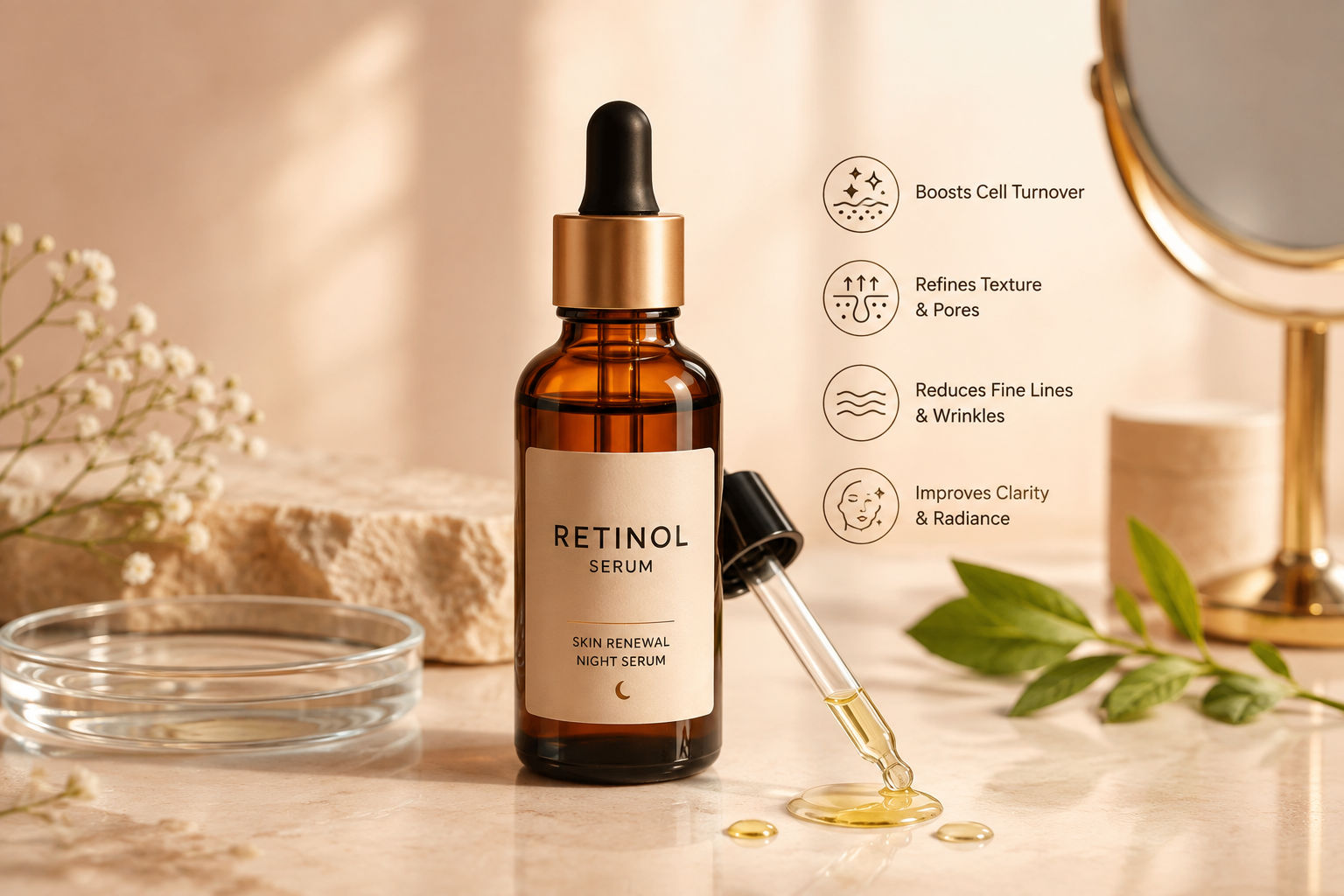
Retinol is a common component in OTC skin care products such as serums, wrinkle creams, and nighttime moisturisers. It belongs to the retinoids family of chemicals. While all retinoids are derived from vitamin A, their characteristics and effects on the skin differ.
Begin by incorporating the product into your skincare routine once a week at first. If you don't detect any negative effects, you can use it more frequently. To limit the risk of irritation, wash your skin first and then wait around 30 minutes before applying retinol therapy.
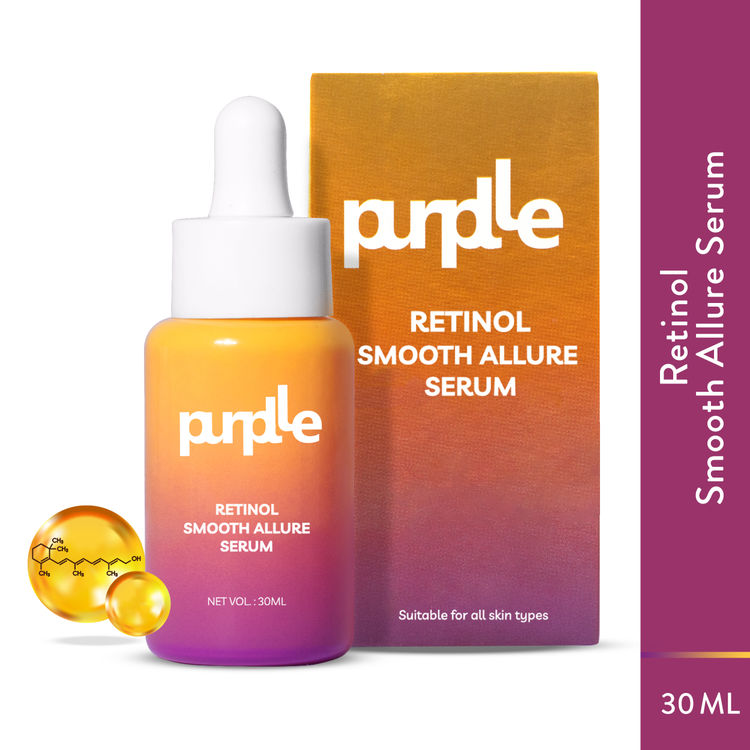
Checkout: Purplle retinol smooth allure serum now.
Customer Rating: 4.7 / 5
Who says you can’t control time? Purplle Retinol Smooth Allure Serum is brimming with the anti ageing properties of Retinol that helps reverse signs of aging. It gives you an even skn tone by stimulating cell turnover and reducing wrinkles. Oh so smooth youthful skin is now just a couple drops away with our wondrous serum!
Explore: Purplle Serums & Essences
4. How to prevent forehead acne
a)Wash your face twice a day.
Wash your face twice a day if you have an oily T-zone. Avoid over-washing. Excessive cleaning can dry your skin and increase sebum production.
b) Exfoliate.
Exfoliate once or twice every week. This will aid in the removal of dead skin cells and debris.
c) Consume healthy food.
Vitamin A, E, and C-rich foods can help you obtain healthy skin. According to research, high-carb diets promote breakouts. Sugary and carbohydrate-rich meals should be avoided.
d) Don't pick at your pimples.
When you touch your pimples, germs from your fingertips might be transferred to the rest of your skin. You don't want other regions of your body to break out!
e) Take off your makeup before sleeping.
Makeup has the potential to clog your pores. If you have an oily T-zone, water-based makeup removers are ideal.
f) Change your pillowcases on a regular basis to maintain hygiene.
Sharing bed sheets and pillows can transmit germs that cause acne to other regions of your face. To avoid this, change your pillowcases and linens on a regular basis.
g) Use scalp-friendly shampoos.
If you have an oily scalp, try shampoos that are designed to remove grease from your hair.
h) Get rid of dandruff.
Consult your dermatologist about utilising anti-dandruff shampoos and hair products to aid with dandruff reduction.
i) Say no to head gear if it irritates your scalp.
Avoid using hats, headbands, or any other accessories that irritate your head. To keep your skin healthy another magical ingredient is mandarin orange. Check it out!
j) Use non-comedogenic products.
Use products that do not clog your pores.
Read more:
- What is Acne? Causes, symptons & Treatment
- Acne removal at home
- How to Treat Fungal Acne at Home
About Payal Bhattacharya
Payal is an editor at Purplle.com. She believes that the world will be a much better place if everyone owns a cat, it’s bizarre but true. She’s very sensitive and particular about her skincare routines and never skips it even for a single day. She loves to read about intimate hygiene and educate herself about female and male personal care which clearly reflects in her writings.
Latest Articles