

Acne
Treat Fungal Acne at Home
Payal Bhattacharya
Introduction
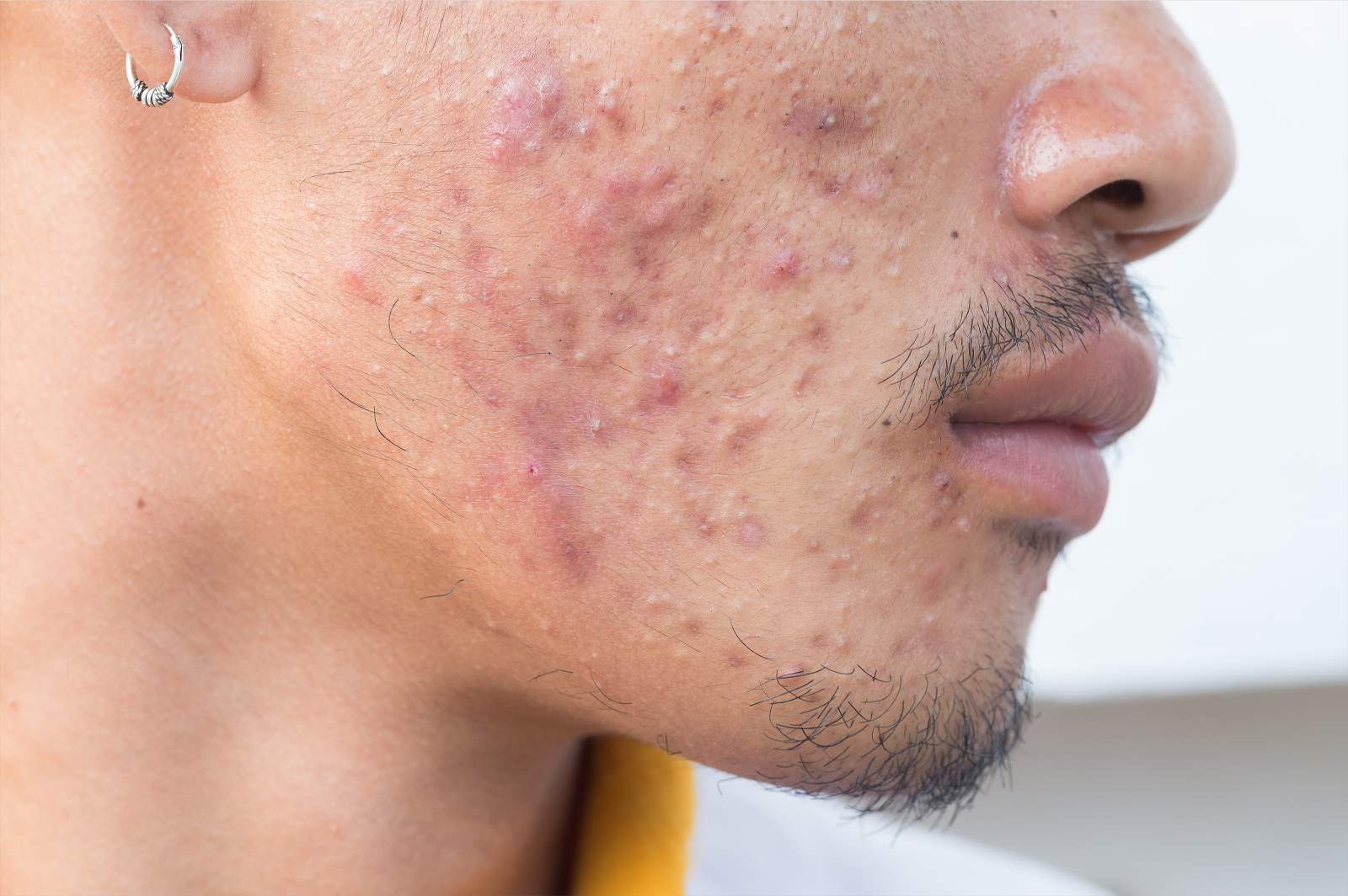
Acne can be distressing, especially when you have breakouts on your face. However, most acne clears up with standard treatment and care. In cases where acne doesn’t respond to typical treatment, there are chances that it may be pittosporum folliculitis or fungal acne.
Fungal acne appears as tiny pimples, whiteheads, and skin irritation. It is easy to confuse fungal acne with acne vulgaris, as it also causes white and blackheads. Using the same treatment for the two can be counterproductive. Your fungal acne can flare up. If you're wondering how to get rid of fungal acne or your options for treatment at home, read on.
What are the causes of fungal acne?
Yeast thrives in warm and moist conditions. That is why it is often noticed in the hot summer months when there is a lot of sweat. Fungal acne occurs due to the overgrowth of a fungus called yeast on the skin. Generally, the body balances bacteria, fungi, and yeast on the skin. However, when the balance is disturbed, there can be an overgrowth of these elements. The result is infected hair follicles develop symptoms that resemble acne.
Here are some of the leading causes of fungal acne:
- You work up a sweat when working out. Wearing sweaty clothes for long hours can lead to yeast growth. Be sure to wear fresh clothes the next time you work out, or you will expose your skin to fungi that breed in moist garments.
- An overload of sweets and carbohydrates encourages yeast and fungal growth. To slow down fungal growth, consume a balanced diet.
- A course of antibiotics can reduce the bacteria on your skin, discouraging fungal growth.
- Fungal acne is prevalent in hot and humid climates. As you sweat a lot, fungal acne occurs frequently.
- Tight clothes that don’t allow the skin to breathe can be a problem. These garments cause sweating and moisture, providing the ideal environment for yeast growth.
- The chances of fungal acne increase when you have a compromised immune system.
What are the symptoms of fungal acne?
Fungal acne often resembles acne vulgaris or bacterial acne. That is why it is often treated using standard acne treatments. So, how do you know your acne is fungal? You may experience any of the following:
- Clusters of tiny whiteheads and bumps are a sign of fungal acne. In the case of bacterial acne, the spots are scattered.
- The skin feels very itchy. In bacterial acne, there is no itching.
- There may be acne spots on your forehead, chin, and the sides of your face, and they may also appear on your arms, neck, back, or chest.
- These spots don’t respond to standard acne treatment.
- Fungal acne has bumps of almost the same size. Bacterial acne has pimples and whiteheads of different sizes.
- People with fungal acne may also have other fungal infections, such as seborrheic dermatitis and tinea versicolor. As fungal acne is caused due to yeast growth, the chances of conditions such as dandruff or psoriasis increase as well.
How to treat fungal acne?
In cases where fungal acne is misdiagnosed as bacterial ance, it can take a while to be treated. Antibiotics don’t clear up the condition, and that's one way of knowing you have a fungal infection. Sometimes, a swab of the skin is used to diagnose the condition. Let’s look at some fungal acne home remedies that your doctor might recommend:
- Removing your sweaty garments is vital whether you have spent the day outdoors or been to the gym.
- A shower after a workout is a must.
- Avoid tight clothes that don’t allow your skin to breathe.
- When applying the medication, follow the hair growth pattern.
- Avoid scratching or picking the acne so as not to spread the infection.
- Dandruff shampoos that contain selenium sulfide or pyrithione zinc help control the condition when used as a body wash. To maintain the balance of yeast and bacteria, you can use these shampoos as a body wash a couple of times a week.
- OTC or over-the-antifungaltifungal treatments are a great option too. It would help if you opted for products that contain butenafine, clotrimazole, or ketoconazole.
- Dermatologists often prescribe oral prescription medicines.
- Tantifungali-fungal essential oils are good antifungal-fungal bacneody washes and are a great way to control your fungal acne.
- Consult your doctor immediately if the rash is accompanied by fever or the condition doesn’t clear after these precautions.
How do you prevent fungal acne?
As they say, prevention is always better than cure. A few lifestyle changes can help. Here are some steps you can follow to prevent fungal acne flare-ups:
- Wear loose, breathable clothes such as cotton, especially in warm and humid climates.
- Avoid reusing your swimsuit. Make sure to give it a thorough wash after each use.
- Wash your face twice a day using a gentle cleanser. This will help remove oil and dirt build-up.
- Exfoliate your skin using products that contain alpha or beta hydroxy acids. You can add this to your weekly clean-up routine.
- Provide a protective barrier for your skin using light moisturizers.
- Use a dandruff shampoo regularly to maintain your skin's bacteria/yeast balance. Once the flare-up is gone, you can cut back on the frequency.
- A balanced diet is vital. Sugary carbs are best avoided as yeast feeds on them. Introduce fresh fruits and vegetables to your diet. Proteins too discourage yeast overgrowth.
Final words
Fungal acne can be a distressing condition. However, it can be easily managed once you get a proper diagnosis. The right skin care products and good treatment at home can help control future flare-ups. You will find what you need when you log on to purplle.com.
FAQs
1. Can fungal acne go away on its own?
Untreated fungal acne can spread and irritate the skin. It’s best to get it diagnosed and follow preventive guidelines.
2. Can I squeeze fungal acne?
It is not advisable to squeeze or pop fungal acne as the infection can spread to other areas of the skin.
3. What is the difference between fungal and bacterial acne?
Bacterial acne varies in size and features, such as blackheads or whiteheads. Fungal acne has uniform red bumps that form clusters on the chest, upper arms, and back. They rarely show up on the face.
Read more:
- How to Get Rid of Forehead acne
- Try the Best Home Remedy for Acne and Get Clear Skin
- Top Home Remedies for Body Acne
- Effective Home Remedies for Acne and Pimples
Latest Articles



About Payal Bhattacharya
Payal is an editor at Purplle.com. She believes that the world will be a much better place if everyone owns a cat, it’s bizarre but true. She’s very sensitive and particular about her skincare routines and never skips it even for a single day. She loves to read about intimate hygiene and educate herself about female and male personal care which clearly reflects in her writings.