

Ask an Expert
Foods To Avoid For Acne
Payal Bhattacharya
Do you notice that whenever you eat junk food? Or have you been limiting your consumption of fatty foods since you realise they may create a pimple the next day?
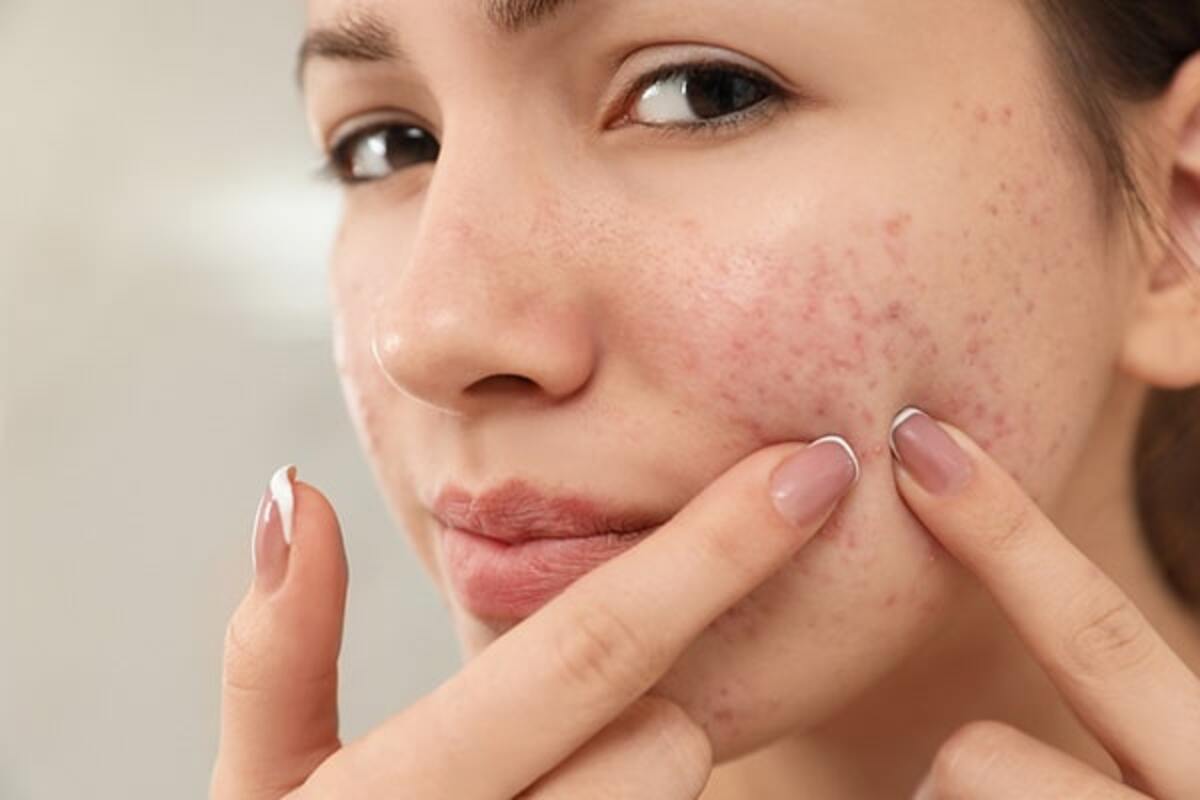
Approximately 10% of people worldwide suffer from acne. Acne is neither caused nor prevented by food-only. It can be caused by mucus and protein formation, pimple germs, hormones, clogged pores, and aggravation are just a few of the many causes of acne. Your genes and lifestyle can impact the condition.
Although your lifestyle choices and heredity might influence your skin's susceptibility to troublesome problems, this does not imply that you should give up trying to achieve a porcelain complexion and flawless skin.
Though there is no proper evidence on how foods may cause acne, still it is believed that certain foods cause acne while others support good skin. Let’s know more.
How do Foods help To Have Glowing Skin?
Skin health originates within. Using skincare ingredients can address superficial issues, but eating a well-balanced meal improves your overall wellness and promotes healthy skin. And it all relies on whether you're eating the optimal meals for glowing skin.
Once digested, food is absorbed into your bloodstream and travels to your epidermis. The appropriate diet can be a valuable tool whether you're trying to treat acne, prevent premature ageing, minimise the presence of fine lines, or combat other annoying skin diseases.
Including a few nutritious items in your diet can help you battle skin problems by shutting off inflammatory genes and giving your body the resources it needs to repair and create healthy cells. Look for fruits and vegetables high in vitamins, and don't forget about protein and good fats.
While vitamin D has been found to lessen the adverse effects of sunburn, vitamin C is crucial for creating collagen. Antioxidants may reduce the impacts of pollutants and other atmospheric hazards that produce free radicals.
Additionally, it has been demonstrated that lycopene shields against the negative impacts of UV radiation. The essential components for all the proteins present in the skin, hair, and nails, as well as the entire body, are amino acids formed from proteins.
Food That Should Be Avoided That Can Cause Acne:
Before we begin, it is crucial to recognise that diet is not wholly accountable for breakouts. The below meals might respond primarily if you have acne-prone and overly oily skin, poor digestive health, and a lack of a good washing regimen.
1. Processed Carbohydrate & Sugar:
Sugars, which are available in our kitchens as processed white sugar and other types such as sodas, tetra pack juices, honey, and so on, are high in processed carbs. These are quickly taken into the circulation, boosting blood glucose levels. The rise in hyperinsulinemia also drives loads of sugar into your cell, causing acne.
2. The list of refined foods that cause acne:
- White wheat bread, crackers, cereal, and sweets
- White flour-based pasta
- Rice noodles and white rice
- Sodas and other liquids with added sugar
- Cane sugar, maple syrup, honey, or agave nectar
3. Dairy Items:
Research on teens found that drinking saturated calories and whole cream milk caused a spike in acne. However, the link between milk and acne is still unclear. It is advised to avoid dairy if you develop acne after drinking milk.
Milk has been shown to raise insulin levels independently of its fluctuations in blood sugar, which may exacerbate acne aggressiveness. Cow's milk also includes amino acids that boost the liver's production of IGF-1, related to acne formation.
While there is conjecture as to why drinking milk may aggravate acne, it is uncertain if dairy is directly responsible. Consuming dairy products has been related to worsening acne.
4. Junk Food:
Acne is common among youths who eat a lot of fast food, such as burgers and fries. Although the particular chemical in fast food that causes acne is unknown, some experts suggest that it may influence gene expression and hormone levels in a way that encourages the growth of acne.
Burgers, nuggets, hot dogs, and french fries are typical fast food items that may raise acne risk. Notably, most studies on fast food and acne have relied on self-reported statistics. This study merely indicates eating patterns and acne risk patterns and does not establish that fast food promotes acne.
5. Chocolate:
Consuming chocolate has also been related to an upsurge in breakouts. Chocolates high in chocolate, milk, and sugar might cause your immunity to overreact to acne-causing microbes. This might lead to even more acne and breakouts in your body.
Research on adults discovered that individuals who ingested 100 per cent unsweetened cocoa had a considerable rise in acne. According to the findings, eating chocolate causes the immune system to overreact to acne-causing bacteria.
What Foods Can Help Keep Acne Away?
As there are foods to avoid acne, there are a few to consume to ensure flawless skin! Carbohydrates and some other foods in the food chain with a lower glycemic index can help reduce acne. Among these are:
1. Complex Carbohydrates:
Whole foods include red and yellow peppers, carrots, sweet potatoes, tomatoes, spinach, and apricots, as well as legumes like dals, beans, and peas, as do whole grains like quinoa wheat bread and brown rice. Fruits and vegetables also contain them.
2. A, D, and E vitamins:
Acne was worse when vitamins A and E were deficient. Vitamin A is abundant in tuna, liver, cream and feta cheese, butter, eggs, mackerel, and other foods. Vitamin E is abundant in nuts such as almonds, peanuts, and broccoli.
Vitamin A and D supplements should not be taken unless consulting a doctor. These nutrients are essential for skin and immunological health and may help avoid acne.
3. Green Tea:
Green tea includes polyphenols that have been linked to decreased inflammation and sebum secretion. When applied to the skin, green tea extracts have been shown to lessen the severity of acne.
4. Turmeric:
Turmeric includes the anti-inflammatory polyphenol curcumin, which can help manage blood sugar, improve insulin sensitivity, and prevent the growth of pimple-causing bacteria, possibly reducing acne.
Best Products For Acne:
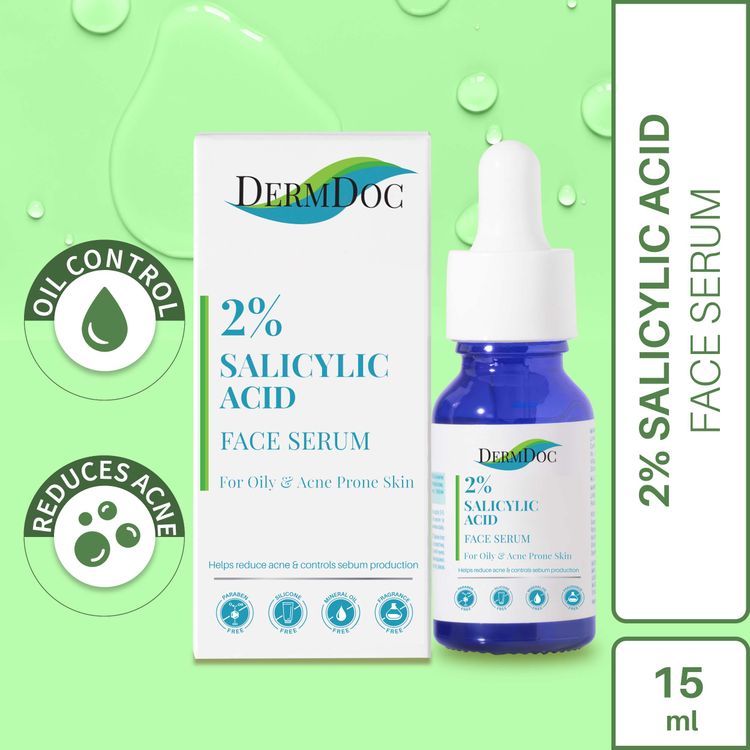
1. DermDoc 2% Salicylic Acid Face Serum
Customer Rating: 4 / 5
DermDoc 2 percent Salicylic Acid Face Serum hydrates the skin, ultra-light solution that treats skin problems and thoroughly detoxifies clogged pores. It also controls overabundance production of sebum and gives you a matte finish all day.
Explore: Top Recommended face serum by DermDoc
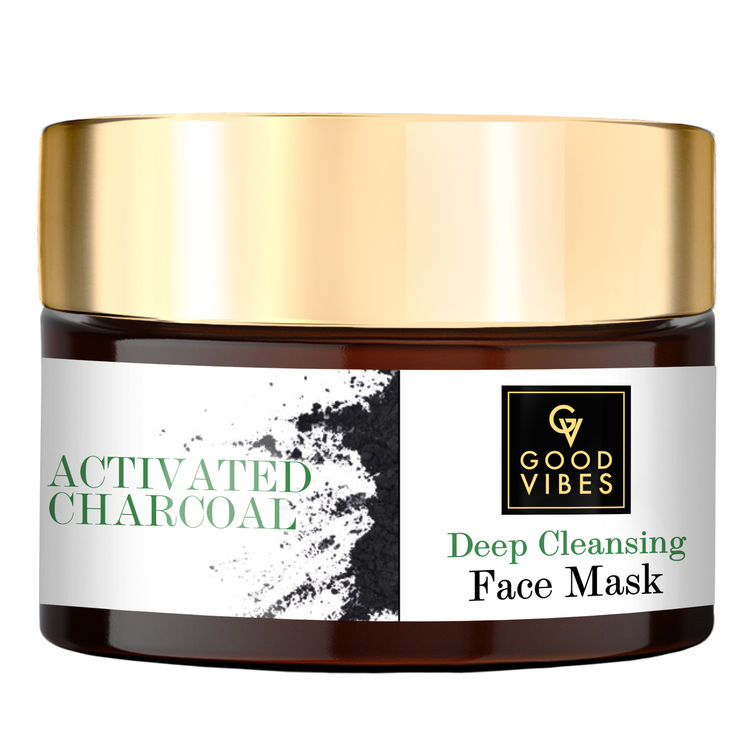
2. Good Vibes Activated Charcoal Deep Cleansing Face Mask
Customer Rating: 4 / 5
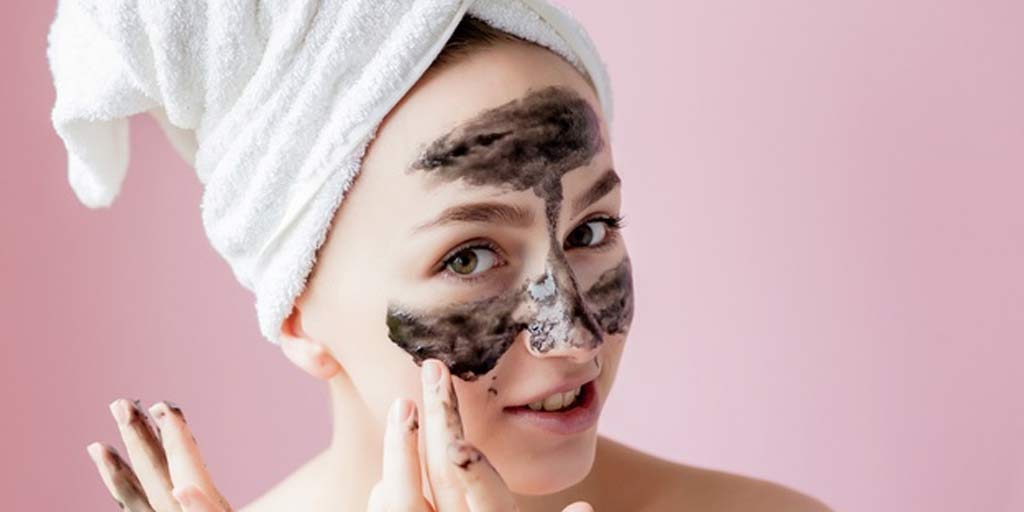
This Charcoal imbued facial mask delicately eliminates toxins from pores while also preventing acne, resulting in clear and flawless skin. It rejuvenates and enhances your complexion, ensuring that it remains clear and luminous.
Explore: Top Rated Good Vibes Face Pack
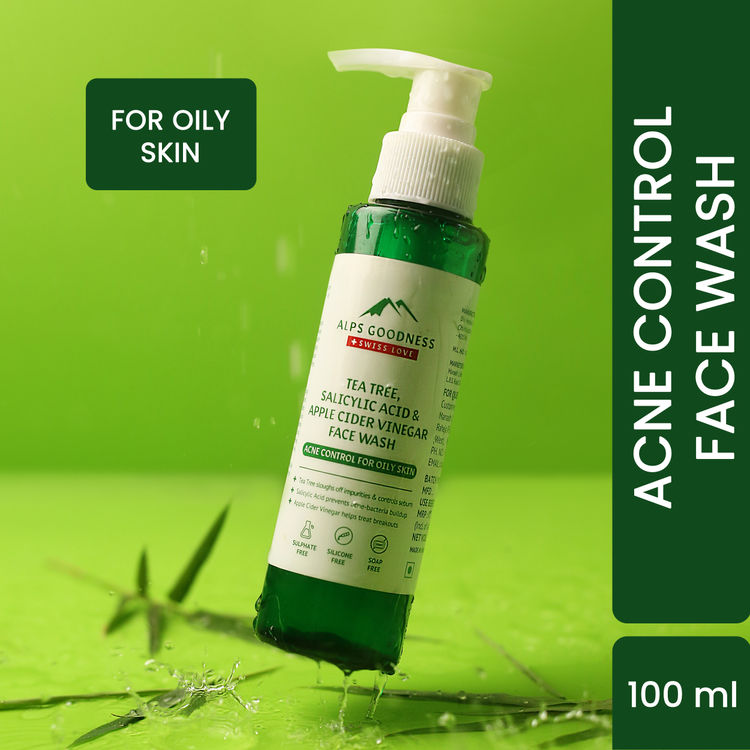
3. Alps Goodness Acne Control Face wash
Customer Rating: 4.3 / 5
This Face Wash contains the benefits of Tea Tree, Apple Cider Vinegar, and Salicylic Acid. It efficiently purifies excess oil and detoxifies, grime, and clogged pores. This product absorbs in your epidermis deeply and fights breakouts and skin problems.
Explore: Best selling Face washes by Alps good ness
Conclusion:
While the judgement is out on whether particular foods induce acne, there are several that function as stimulants and can produce a breakout. So, if you know that a specific meal or food item might cause a pimple, you should avoid eating it.
Although avoiding all of the foods associated with acne is generally not essential, they should be consumed in conjunction with the other nutritionally diets. Here is another type of acne called comedonal acne. Check it out!
Frequently Asked Questions:
Q. Does acne go away on its own?
Acne usually fades away on its own after the end of adolescence, although some individuals even have breakouts throughout adulthood.
Q. When does acne go away?
Acne usually clears up by the age of 20. However, some individuals will experience adolescent acne even after they reach the age of 30.
Read More:
- What is Acne? Causes, symptons & Treatment
Latest Articles





About Payal Bhattacharya
Payal is an editor at Purplle.com. She believes that the world will be a much better place if everyone owns a cat, it’s bizarre but true. She’s very sensitive and particular about her skincare routines and never skips it even for a single day. She loves to read about intimate hygiene and educate herself about female and male personal care which clearly reflects in her writings.