
Skincare
How to Treat Acne: The Complete Guide
Marriah Dhariwala
Let’s start at the beginning.
What is acne?
Acne, more commonly known as pimples, occurs when your pores get clogged up with impurities, oil and dead cells. It can either be inflammatory or non-inflammatory.
Inflammatory acne is generally red and may or may not be filled with pus.
On the other hand, non-inflammatory acne can be of two types: blackheads and whiteheads.

Why do people get acne?
While improper hygiene, stress and an imbalanced diet are the primary causes of acne, there are many biological factors too. Genes, hormones and your skin type also play an important role when it comes to acne breakouts on your skin.
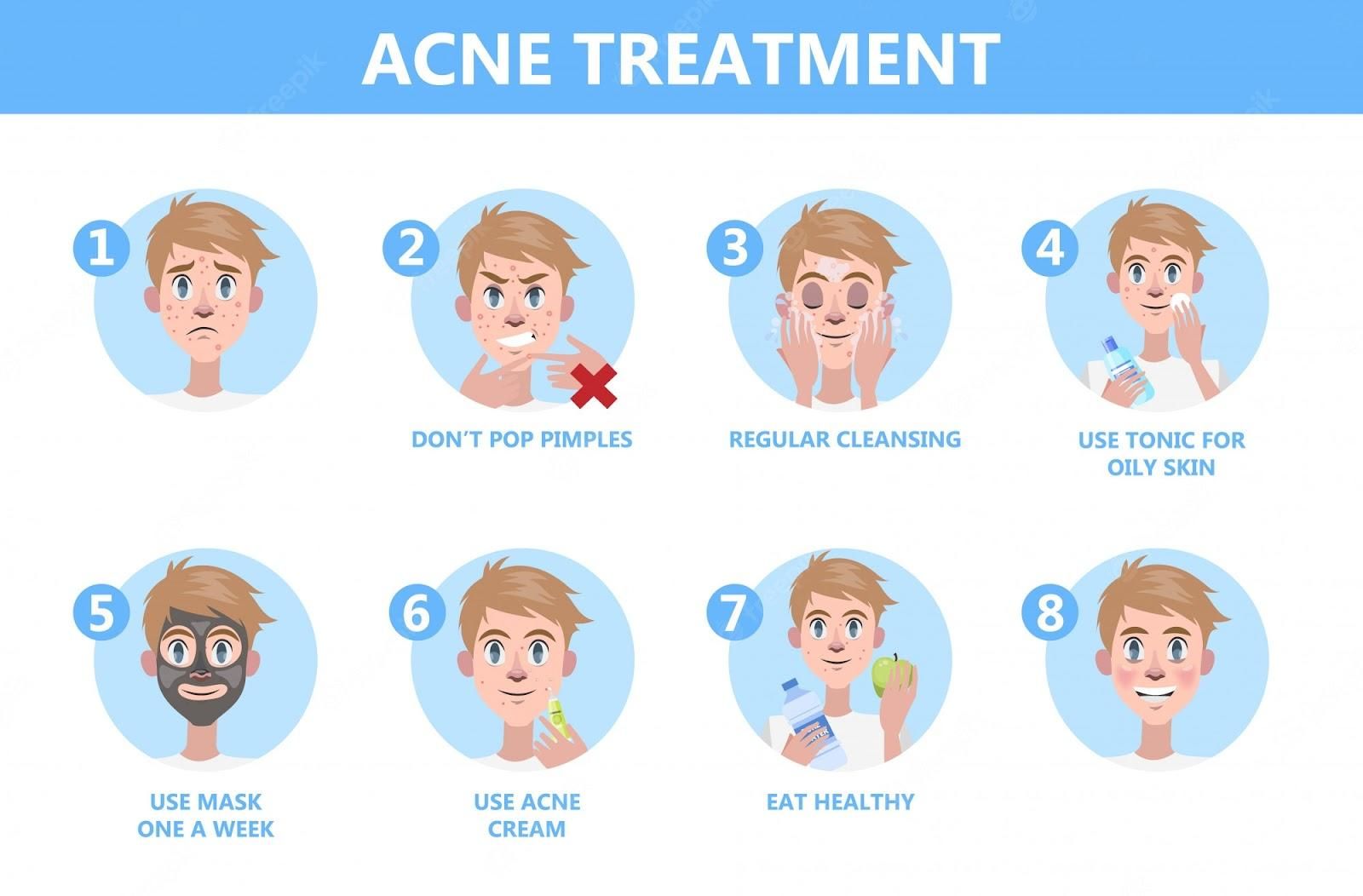
Tips to treat acne -
- Wash your face at least twice daily. Especially after a workout or a day out.
- Use non-comedogenic products (the ones that won't clog pores).
- Never sleep with your makeup still on.
- Always stay hydrated!
- Eat a healthy, balanced meal. (Avoid sugary foods and include more Vitamins, Zinc and Omega-3 fatty acids)
- Learn to be stress-free.
- Choose acne-fighting skin care formulas.
Oily skin and pimples
Acne problems occur when excess oil and dead skin cells get clogged up in your pores. It becomes a breeding ground for acne-causing bacteria and gives rise to the pesky pimples we all hate. They are typically reddish in colour and may or may not be filled with pus.
If you suffer from oily skin and find yourself with a lot of pimples, these are a few things you can do:
First off, try using a non-foaming cleanser.
An oil-cleansing product removes excess oil and prevents your skin from feeling greasy, but that’s all. It won't remove the clogged-up sebum (oil) that’s blocking your pores.
Try using a gel cleanser instead. It unclogs the pores and controls oil production without drying out your skin.
Try
DermDoc 2% Salicylic Acid Face Wash

You can also try the Garnier Bright Complete Brightening Duo Action Face Wash that will help add a glow.
How to get rid of acne in a week?
It's not realistic to expect to get rid of acne overnight, but there are a few things you can do to start getting your skin under control. A skincare routine dedicated to fighting and preventing acne is your best. Just like this-
- Start with a cleanser and a moisturiser that is specifically intended for acne-prone skin. - Exfoliate your skin using a mild face scrub once per week. Try a face scrub that has been formulated to gently remove dead skin cells from the surface of your skin.
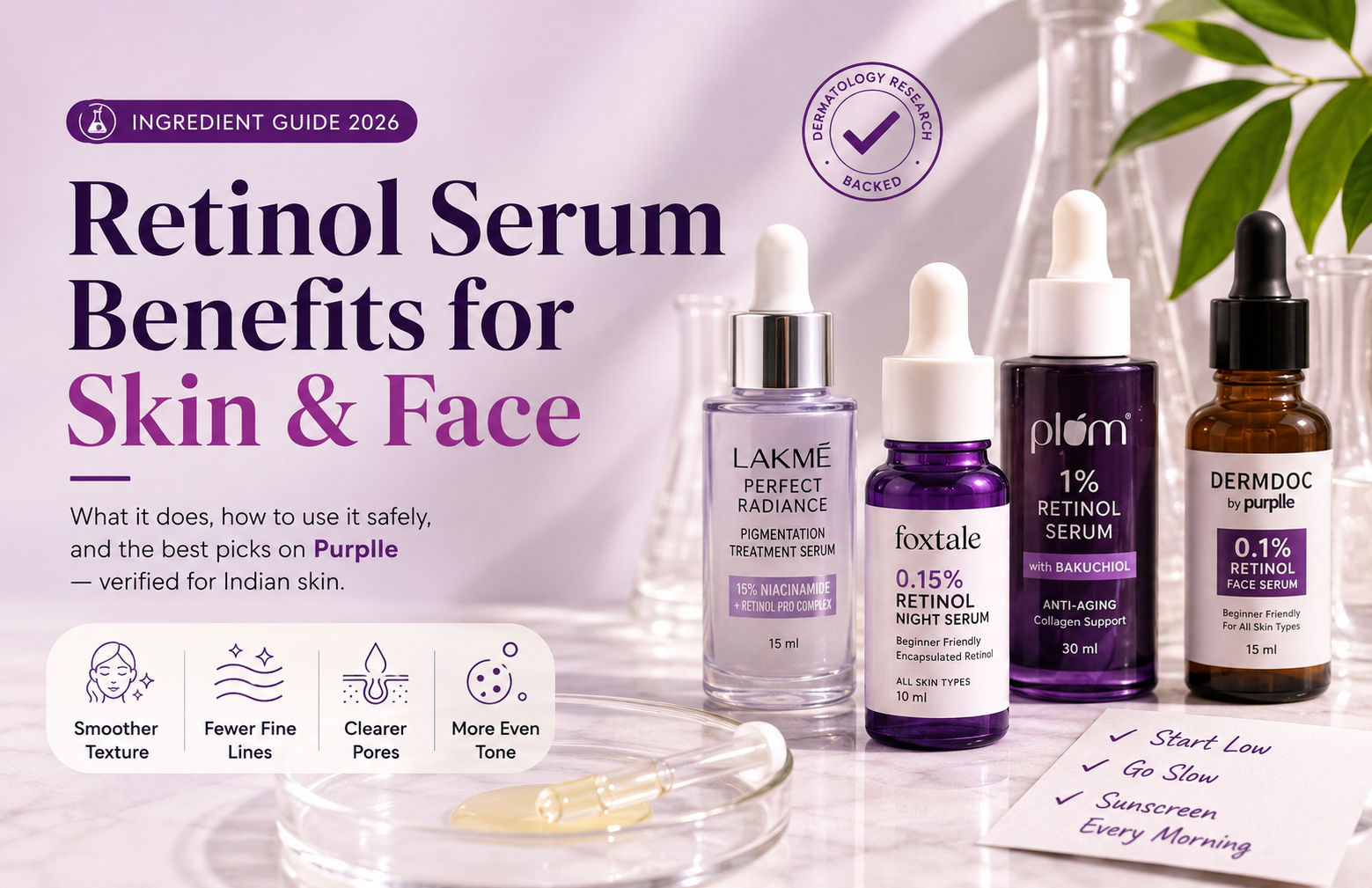
- Add a topical acne treatment to your regimen to combat acne while you're at it. You can go for Benzoyl Peroxide, Retinol or Salicylic Acid. (You might want to start with once a week of application and slowly increase the dosage)
You can also use spot correctors to combat acne. Try this!
- Follow these steps and take your acne treatment regimen seriously.
- If you have oily skin, consider using an oil-absorbing mask. A clay mask works best but certain oil-controlling sheet masks and peel-off masks can also be very effective. These help to reduce excess oil on the surface of your skin and keep your pores clear.
How to treat Acne at home?
Acne is a universal problem and so, it is only natural that there will be a hundred remedies and hacks to tackle it. However, caution should be taken before trying out anything.
While some people prefer the advice of an experienced professional or a dermatologist, others trust the ancient wisdom of home remedies.
Some age-old home remedies for acne that have stood the test of time are:
1.Apple Cider Vinegar or ACV
Apple Cider Vingar is said to be able to fight bacteria. It also contains lactic acid which helps reduce acne scars and marks.
How to use: Mix a few drops of Apple Cider Vinegar in water and apply it gently to the face using cotton balls. Rinse after 5 mins.
(Pro tip: Since Apple Cider Vinegar may irritate your skin, it is advisable to try it in small amounts.)
2. Honey and Cinnamon Mask
Honey and Cinnamon possess antibacterial and anti-inflammatory properties which can be helpful in dealing with acne.
How to use: Mix 2 tablespoons of Honey with 1 tablespoon of Cinammon to get a paste like texture. Apply it evenly and wait for 10-15 mins. Rinse with warm water.
(Pro tip: Cinnamon may sensitize the skin and cause irritation. Do conduct a patch test before use.)
3. Tea Tree
Studies have shown that Tea Tree has a visible effect on acne and helps reduce it.
How to use: Mix 1-2 drops of Tea Tree essential oil in a little water ( keep the ratio 1:9) and dab the solution on affected areas only. Follow up with a moisturizer.
(Pro tip: Tea Tree Oil is very strong, so it is advisable to dilute it and apply in small amounts.)
4. Aloe Vera
Aloe Vera contains Salicylic Acid, an effective acne-fighting element. It soothes inflammation and helps reduce acne.
How to use: Scrape a freshly cut Aloe Stem and remove the gooey gel in a bowl. You can also use store-bought Aloe Vera Gel. Apply it directly onto your face and massage it until it is completely absorbed.
(Pro tip: Make sure that the Aloe Vera Gel you are using is pure and contains no sensitizing additives which may irritate your skin.)
5. Green Tea
Rich in antioxidants, Green Tea is great for promoting clear skin. It is anti-bacterial, anti-inflammatory and also fights acne.
How to use: Brew a little Green Tea in boiling water and allow it to cool. Dab it on using a cotton ball or apply it using a spray bottle.
(Pro tip: You can also mix the remaining tea leaves with honey to make a Green Tea Face Mask.)
How does Salicylic acid help?
Salicylic Acid is a BHA - beta hydroxy acid. It is an exfoliating, oil-soluble ingredient that’s perfect for fighting acne. Here’s why-
The basic cause for Acne is dirt, oil and impurities clogging the pores. It becomes a breeding ground for acne-causing bacteria and gives rise to the pesky pimples and blackheads. Salicylic Acid gets rid of all this dirt and impurities, unclogs the pores and prevents bacterial growth.
While there are a few other topical treatments for Acne, Salicylic Acid remains the top choice for many as it is one of the mildest Acne medications. Unlike benzoyl peroxide, it does not clog up the pores, nor does it sensitize the skin too much, making it a safe and skin-friendly solution.
That being said, it is always best to test out any formula on the inside of your wrist or under your jaw before use. Conducting a Patch-Test is the cardinal rule of skincare after all!
You can try:
2% Salicylic Acid Face Gel

2% Salicylic Acid Face Serum

Conclusion
Acne is a common problem that can be prevented with proper hygiene, diet and skincare. However, it is important to note that no matter how much you try, you cannot control all the factors that cause acne. So, if you spot a zit, don’t yell and throw a fit. Just sit calm and try out your chosen treatments and remedies.
About Marriah Dhariwala
Marriah is 5ft of Netflix and book references with a sweet tooth who also loves subways, pizzas, and much more. You will either find her reading, writing or drawing in her diary. She is friendly and cheerful with bright smiles and a smart mind.
Latest Articles