Retinol Serum Benefits for Skin & Face: Ingredient Guide (2026)
Written by Kavya Iyer, Purplle Content Lead (MSc Cosmetic Science, 6 years in product R&D, 300+ products tested)
Medically reviewed by Dr. Rohit Menon, MBBS, MD (Dermatology), DDVL
Last updated: 28 April 2026Reading time: 8 minutes
Key Takeaways
Foxtale 0.15% Retinol Night Serum is the gentlest starting point on Purplle right now, useful if you have never used retinol before.
A 2025 review of 23 clinical trials covering 3,905 people found retinol genuinely helps with photoaged skin, including fine lines and uneven tone.
Purplle's verified buyer ratings show which retinol serums get repeat purchases, a more reliable signal than starred averages alone.
On melanin-rich Indian skin, irritation can darken post-acne marks rather than fade them, which is why starting low and slow isn't optional with retinol.
The Short Answer
Retinol serum is a vitamin A active you use at night. It can help with rough texture, early fine lines, clogged pores, and uneven tone over time. Start twice a week, moisturise well, and wear sunscreen every morning. On Indian skin, irritation is the thing to watch: it can worsen post-acne marks rather than fade them, so go slow. Skip it during pregnancy unless your doctor says otherwise. The beginner pick right now on Purplle is the Foxtale 0.15% Retinol Night Serum; for experienced users, the Plum 1% Retinol Anti-Aging Face Serum with Bakuchiol is the step up.
Retinol works through slow skin renewal. The changes show up over months on texture, tone, and clogged pores rather than in days. The picks below favour beginner-friendly strengths first, and every product comes with one real limitation before you decide.
What Retinol Serum Actually Does on Your Face
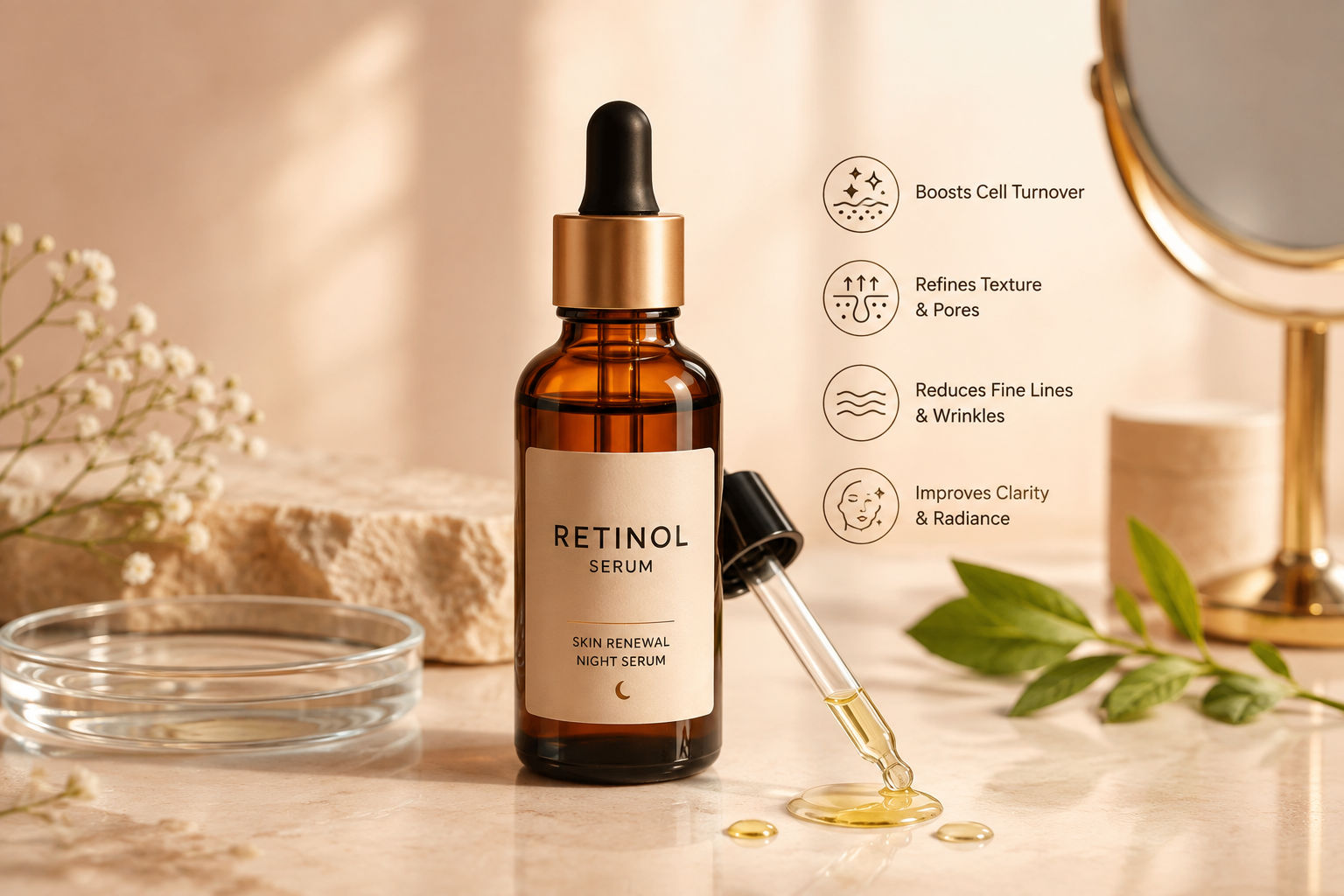
Retinol is a type of retinoid, a vitamin A ingredient used in over-the-counter skincare for uneven tone, rough texture, and pigmentation. Dermatology guidance links retinoids with faster skin-cell turnover and collagen support, which is why they show up in so many anti-ageing routines sold in India.
In practice, retinol works on four things: smoother-feeling skin, softer fine lines, fewer clogged pores, and a more even tone. The sweet spot is a formula with a clearly named retinol strength, enough supporting ingredients to keep dryness in check, and a price that lets you use it consistently without second-guessing the purchase.
The honest bit: retinol isn't a glow serum. It's a slow ingredient that pays off if you stick with it. That suits the kind of dullness, rough texture, and old acne marks that build up after 40°C summer days in Delhi, Chennai humidity, or three weeks of wedding-season makeup that didn't fully come off. The key is keeping irritation out of the equation.
Why It's Especially Useful for Indian Skin Concerns
Retinol's biggest practical advantage is that it works on more than one thing at once. It sits at the overlap of texture, early ageing, pores, and post-acne marks, which makes it useful when your face just looks uneven, rather than clearly "dry" or "oily" or fitting neatly into one concern.
For melanin-rich Indian skin, the thing to watch is irritation. Post-inflammatory hyperpigmentation, the brown mark that stays after a pimple, is more common on darker skin and can get worse when the skin gets inflamed. Retinol can fade marks, but only if your skin barrier stays calm while you use it. An irritated, peeling face leaves new marks behind, which undoes the point.
That's especially relevant after Holi colour, a beach trip, heat rash, or an acne flare in a humid coastal city. Retinol at night paired with sunscreen every morning is the combination. One without the other is incomplete.
How We Choose Our Products
Every pick here starts with what the ingredients actually do, checked against dermatology research and not just marketing claims. After that, it comes down to verified buyer ratings on Purplle, price relative to what the formula delivers, and how well each product suits Indian skin and Indian weather conditions. A lower-strength formula that gets used consistently every week beats a stronger one that sits on the shelf because it was too irritating. And every product in this article gets at least one honest limitation, because a recommendation without a downside isn't that useful.
Top Retinol Serums on Purplle: Beginner to Experienced
Best for beginners: The Foxtale 0.15% Retinol Night Serum is the gentlest starting point, with a low concentration and a trial-friendly size. For experienced retinol users, the Plum 1% Retinol Anti-Aging Face Serum with Bakuchiol is the step up worth considering.
Best for: First retinol routine, texture and early fine lines |
Texture: Lightweight, non-greasy |
Key actives: 0.15% encapsulated retinol |
Skip if: You're already comfortable with stronger retinoids and need a heavier-duty step
This is the easiest starting point in this guide. The 0.15% retinol concentration is positioned specifically for beginners, and the 10 ml size keeps the first trial sensible: if your skin doesn't take to it, you haven't overcommitted. The formula is lightweight and settles without greasiness, which works well for the kind of humid evenings you get in Mumbai or Hyderabad when layering at night feels like too much. There's also a 30 ml size, the better value once you know your skin is comfortable.
Who should use it: Anyone bringing retinol into their routine for the first time, targeting dullness, rough texture, or early lines.
Who should skip it: Anyone already comfortable with stronger retinoids who needs a more active step. The 0.15% concentration will feel underwhelming by that point.
Best for: Pigmentation-focused routines, uneven tone after summer |
Texture: Water-based serum, absorbs without residue |
Key actives: Retinol Pro Complex, 15% niacinamide |
Skip if: Very sensitive skin that reacts to multi-active formulas, or if you need a clearly disclosed pure-retinol percentage
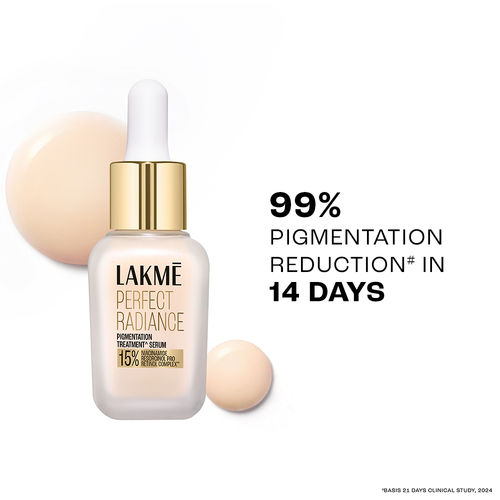
This is the value pick in the list. Lakme pairs a "Retinol Pro Complex" with 15% niacinamide, which gives it a dual-purpose edge: the niacinamide addresses PIH (post-inflammatory hyperpigmentation) while the retinol complex handles texture and turnover. The honest caveat is that "retinol complex" isn't the same as a clearly labelled pure-retinol percentage, so benchmarking it against clinical data is harder. For oily and combination skin in India's warmer months, the water-based texture works well under night moisturiser.
Who should use it: Oily or combination skin dealing with dullness and uneven tone that builds up after long, sun-heavy seasons.
Who should skip it: Sensitive skin that reacts to multi-active combinations. Also skip if you need a disclosed retinol concentration to track your progress.
Best for: Experienced retinol users targeting collagen support and fine lines |
Texture: Serum consistency, slightly richer than water-based starter formulas |
Key actives: 1% retinol, bakuchiol |
Skip if: You're new to retinol, have dry flaky skin right now, or have an active breakout or rash
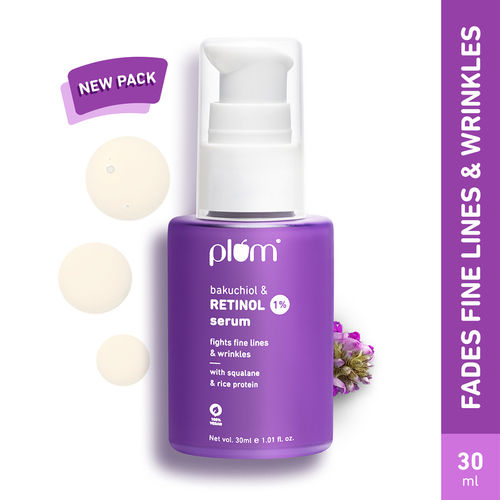
This is the stronger option in the set. The 1% retinol concentration is a meaningful step up from beginner formulas. Bakuchiol is added here as a secondary retinoid-adjacent active, often cited in dermatology literature for collagen support with lower irritation than retinol alone. The combination makes this well-positioned for someone whose skin already handles retinol and wants to push the anti-ageing and evening-out work further. Don't use this the night before a function or during a period when your skin is stressed.
Who should use it: Retinol users whose skin is comfortable with the ingredient and want a more active formula targeting fine lines and collagen support.
Who should skip it: Beginners. If you've never used retinol, a 1% concentration is too high a starting point. Also skip if your skin is currently dry, irritated, or post-procedure.
Best for: Beginner retinol routine, low-strength daily use |
Texture: Lightweight, non-tacky |
Key actives: 0.1% retinol |
Skip if: You need something available to buy this week
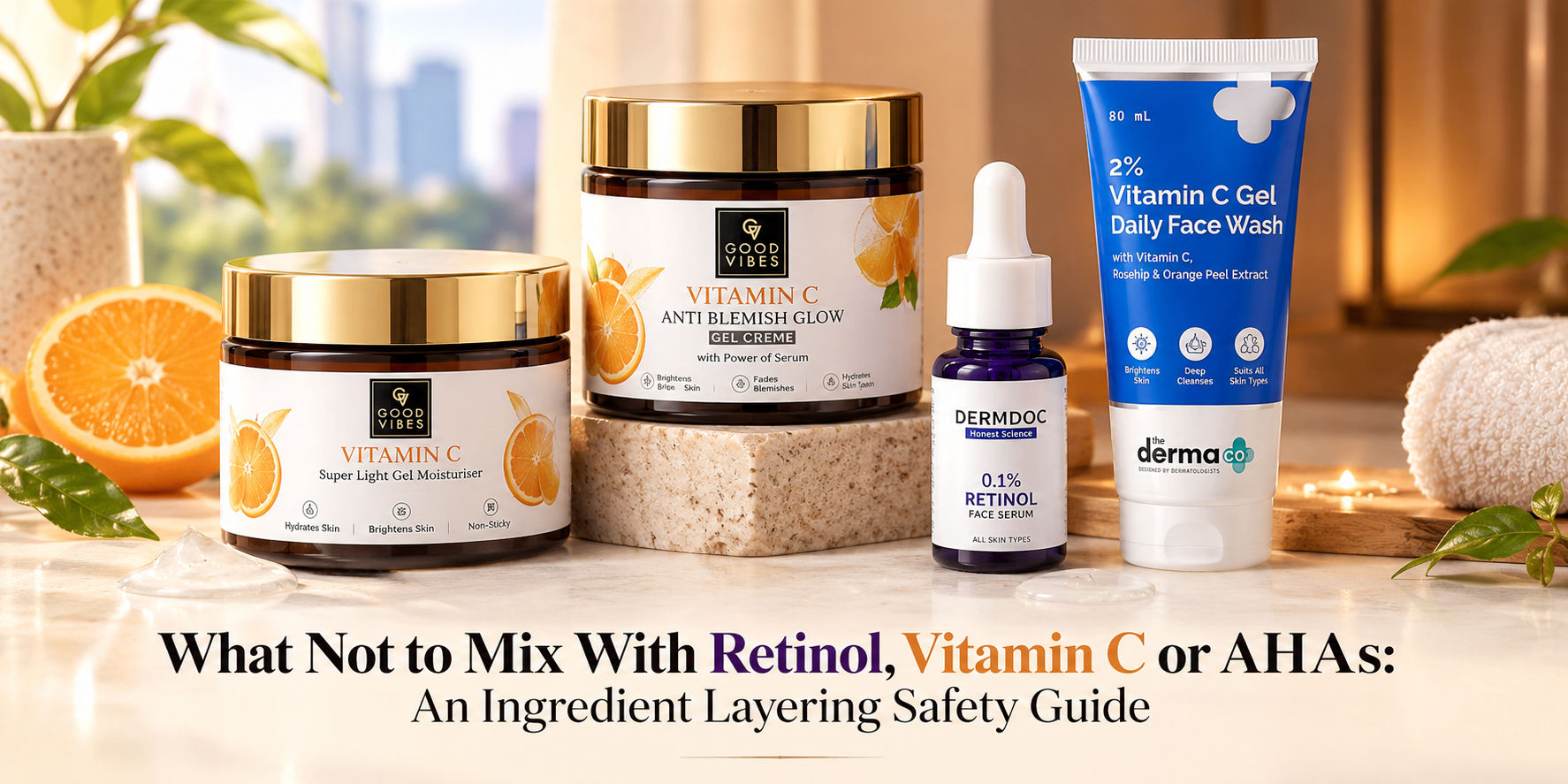
DERMDOC by Purplle is the house-brand retinol worth keeping on the watchlist. The 0.1% concentration is one of the gentlest disclosed strengths available, which makes it a sensible starting point for anyone who hasn't used retinol before but is nervous about irritation. It's currently out of stock on Purplle, so it's not the immediate buy. That said, the listing has built a large verified-rating base over time, which tells you a meaningful number of people have actually used it through full routines.
Who should use it: Beginners who want a very low-strength retinol and are willing to wait for stock to return before committing.
Who should skip it: Anyone who needs a retinol serum now. Check Purplle for restock updates; the other picks above are available in the meantime.
Currently out of stock on Purplle. Check the product page for restock updates.
For a first retinol routine, the Foxtale 0.15% Retinol Night Serum is the safest entry point because the strength is low and the size keeps commitment minimal. For someone already past the beginner stage and working on collagen and fine lines, the Plum 1% Retinol with Bakuchiol is the more targeted option.
How to Use Retinol Serum Without Irritating Your Face
Use it at night, after cleansing on dry skin: Retinol goes on after your cleanser has fully dried. Applying to damp skin increases absorption and can push irritation higher, especially at 0.5% and above. Pat your face dry and wait a minute before applying.
Use a pea-sized amount for the whole face: Dot it on your forehead, cheeks, and chin, then spread thinly. Skip your eyelids, the corners of your nose, and the corners of your mouth until your skin has had at least a month to adjust. These zones are thinner and the first to complain.
Wait 10 minutes before layering moisturiser: Letting the serum fully absorb before adding moisturiser reduces the chance of pilling. In dry winter weather across North India, the moisturiser is essential, not optional, to keep the barrier intact through the night.
Start twice a week for the first fortnight: Two nights on, five nights off is the right pace for most people new to retinol. If your skin feels normal after two weeks, move to alternate nights. If you see persistent peeling or that tight, shiny look, pull back to once a week.
Don't combine with AHAs or BHAs in the same application: Retinol and exfoliating acids on the same night can overwhelm the barrier, particularly in dry post-monsoon or winter seasons. If you use both in your routine, keep them on separate nights. Niacinamide is a safe layer on the same night.
Wear broad-spectrum SPF 30 or higher every morning: Retinol makes skin more sensitive to UV damage. In India, where daily UV exposure is high across most of the year, sunscreen in the morning is the non-negotiable partner to retinol at night. Skipping it counteracts the work the active does overnight.
Storage tip: keep your retinol serum away from direct sunlight and heat. In humid coastal cities, a bathroom cabinet with no direct window exposure is better than a shelf. Heat and light degrade retinol concentration over time, even through opaque packaging.
Frequently Asked Questions
What are the main benefits of retinol serum for the face?
Retinol serum may help smooth uneven texture, soften early fine lines, reduce clogged pores, and improve uneven tone over time. It belongs to the retinoid family, so it works gradually through skin renewal rather than giving an instant glow. Sunscreen the next morning is essential, not optional.
Which retinol serum should a beginner buy on Purplle?
Foxtale 0.15% Retinol Night Serum is the most beginner-friendly current pick because the strength is low and the small size keeps the first trial sensible. Start twice a week at night, then increase only if there's no burning, tightness, or peeling. The small size also means a low-cost first trial if your skin doesn't take to it.
Can retinol fade acne marks on Indian skin?
Retinoids may help acne and post-inflammatory hyperpigmentation, especially when marks come from clogged pores and inflammation. On melanin-rich skin, irritation can deepen the marks instead of fading them, so pair retinol with moisturiser and sunscreen. Expect the bumpy texture to clear before the marks fully go.
Can I use retinol serum every night?
Not at first. Start two nights a week and give your skin at least two weeks to adjust. If there's no irritation, move to alternate nights. Daily use makes sense only after your skin barrier is comfortable, especially in dry winter weather or after exfoliating treatments. If your skin starts feeling tight, drop back a step.
Can I use retinol during pregnancy?
Avoid retinoids during pregnancy unless your dermatologist and obstetrician say otherwise. Dermatology guidance lists retinoids, including prescription options and over-the-counter retinol, among ingredients to avoid during pregnancy. Pregnancy-safe alternatives like vitamin C, niacinamide, and azelaic acid are options to discuss with your doctor.
Does Purplle sell genuine retinol products?
Purplle's authenticity guarantee means every product on the platform is sourced from authorised channels. Each listing shows a verified buyer rating count from real purchases, so you can see how many people have actually used the product before adding it to your cart.
Can I layer retinol with niacinamide or vitamin C?
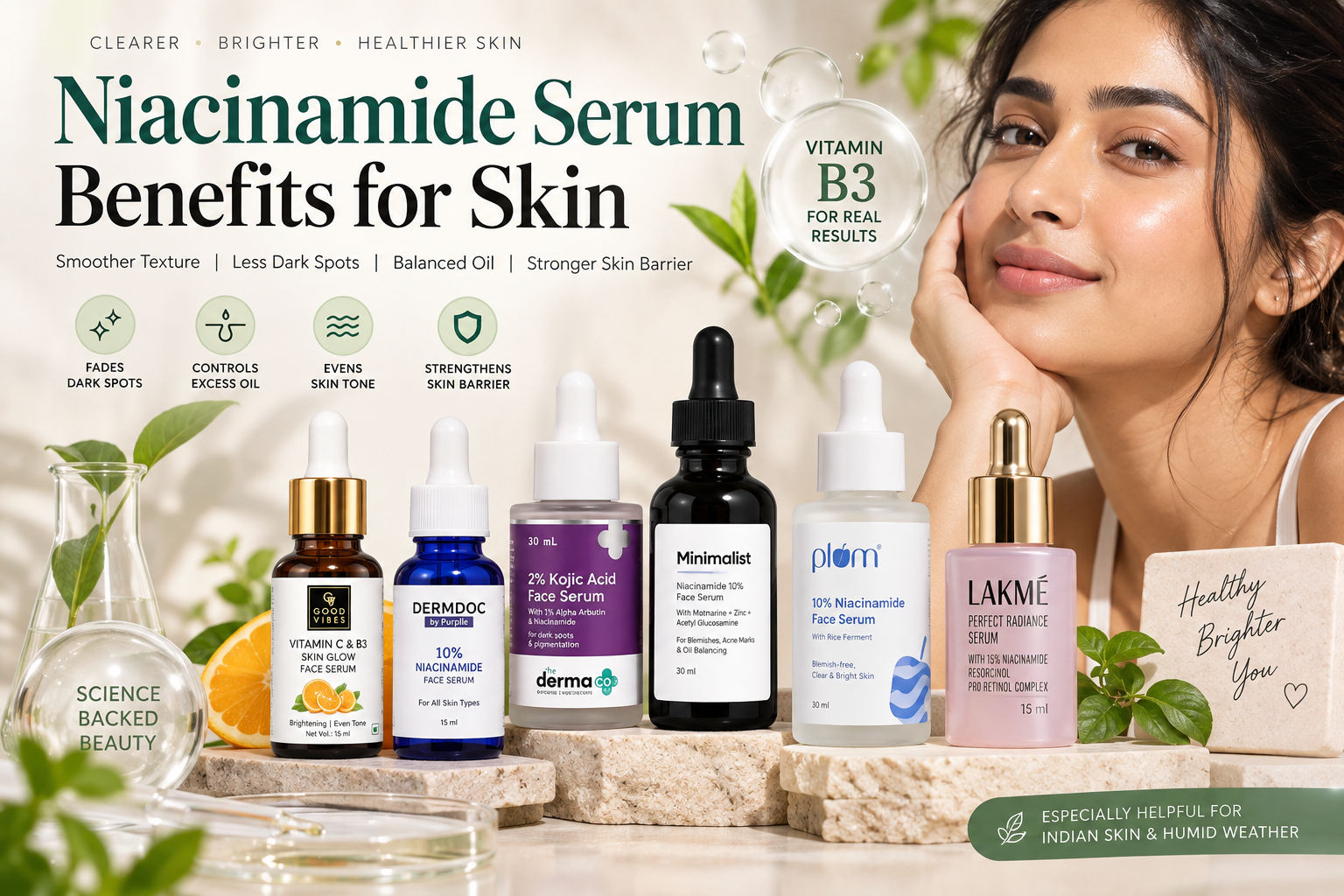
Retinol layers well with niacinamide. Niacinamide can actually reduce retinol-related irritation and is a common pairing in dermatology routines. With vitamin C, apply vitamin C in the morning and retinol at night to avoid any potential sensitivity. Never layer retinol with AHAs or BHAs in the same application.
References
Mukherjee, S., Date, A., Patravale, V., et al. (2006). Retinoids in the treatment of skin aging: an overview of clinical efficacy and safety. Clinical Interventions in Aging, 1(4), 327–348. https://pubmed.ncbi.nlm.nih.gov/18046911/
Zasada, M., & Budzisz, E. (2019). Retinoids: active molecules influencing skin structure formation in cosmetic and dermatological treatments. Advances in Dermatology and Allergology, 36(4), 392–397. https://pubmed.ncbi.nlm.nih.gov/31616211/
Davis, E.C., & Callender, V.D. (2010). Postinflammatory hyperpigmentation: a review of the epidemiology, clinical features, and treatment options in skin of color. Journal of Clinical and Aesthetic Dermatology, 3(7), 20–31. https://pubmed.ncbi.nlm.nih.gov/20725554/
American Academy of Dermatology (AAD). Retinoid overview and safety guidance. https://www.aad.org