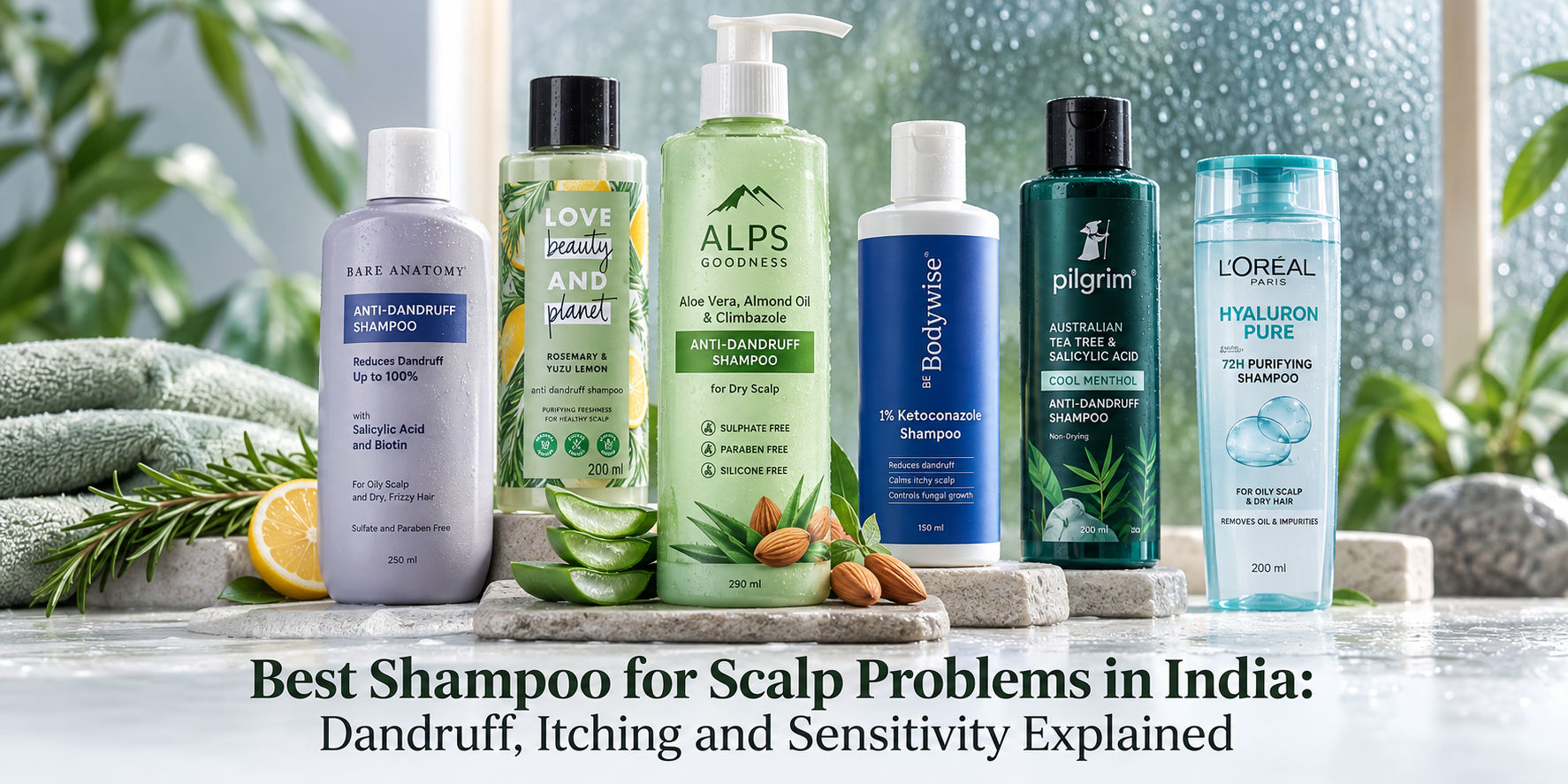
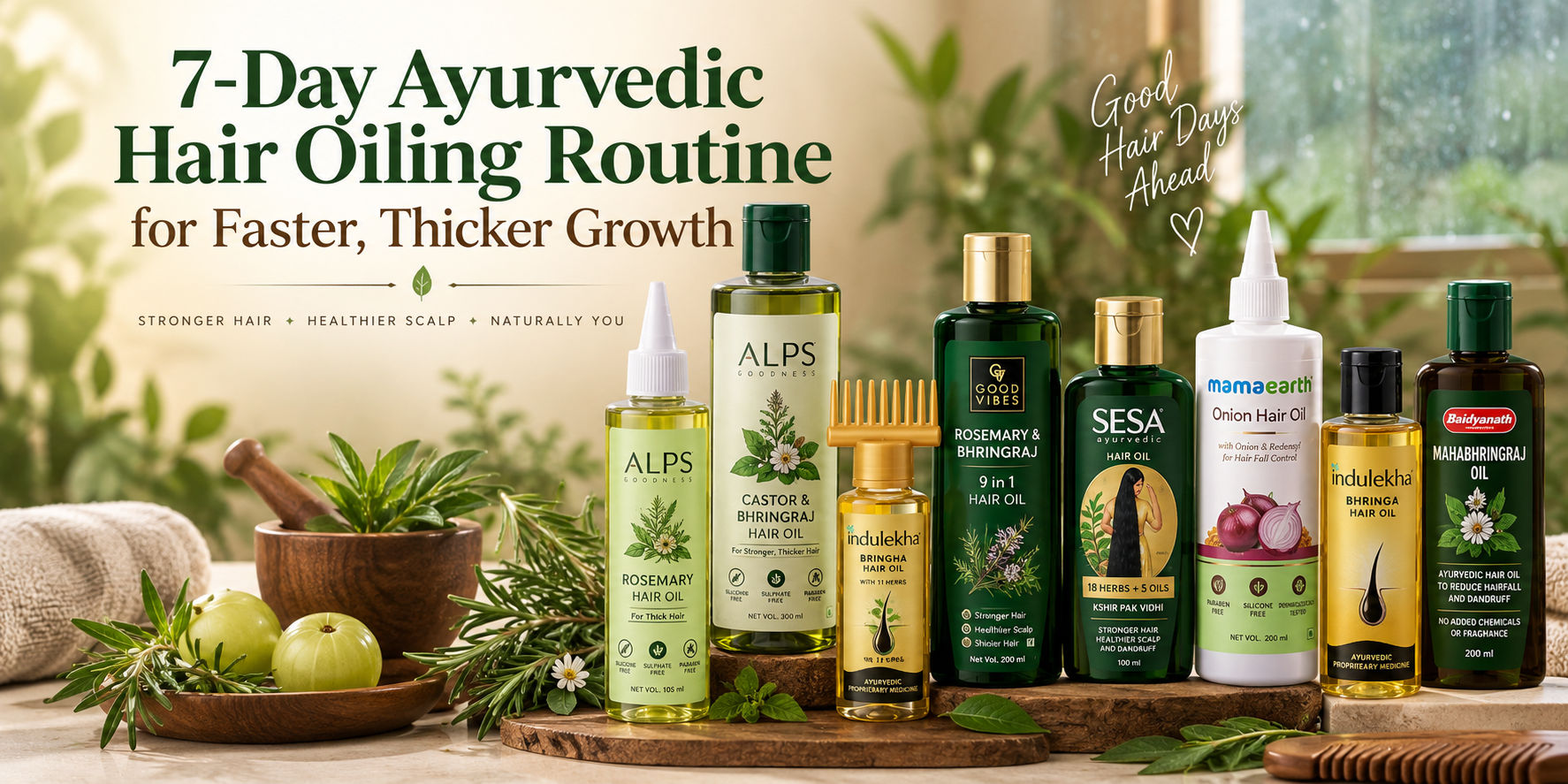
Best Hair Nourishment Products in India 2026: 9 Tested Picks Across Oils, Serums, Masks & Shampoos
Written by Kavya Iyer, Purplle Content Lead, MSc Cosmetic Science (6 years product R&D, 300+ products tested)
Last updated: 11 May 2026Reading time: 9 minutes
The Quick Answer
For most Indian hair routines, start with Alps Goodness Flaxseed Gel, WishCare Hair Growth Serum Concentrate, and Mamaearth Rosemary Hair Growth Oil. Those three combine useful ingredient stories with strong buyer signals across thousands of verified Purplle ratings. Use the gel after washing for frizz and curl hold. Use the serum on the scalp at night for a leave-on routine. Use the oil before shampoo when your ends feel rough. Skip the flaxseed gel if your hair is very fine and falls flat with any gel weight.
The list also includes Livon, Indulekha, Pilgrim, and L'Oreal Paris because nourishment isn't one texture. It's oiling, masking, sealing, and detangling. In a humid Mumbai monsoon or a dry Delhi winter, the product that works is usually the one you'll actually use twice a week.
Key Takeaways
Alps Goodness Flaxseed Gel (300 ml) is the easiest daily-use pick, with one of the largest verified buyer rating bases in its category on Purplle, suited to frizz-control after every wash.
WishCare's serum lists 3% Redensyl, 4% AnaGain, and 2% Baicapil in a leave-on bottle, which is a dense active profile for the price.
Coconut oil, keratin, ceramides, and argan oil each do a different job; one product can't cover all of them.
All nine picks are on Purplle's authenticity guarantee, meaning every unit is sourced from authorised brand channels.
What makes a hair nourishment product worth buying
The strongest picks here balance ingredient sense, verified buyer ratings, and a texture that can survive a humid commute, a sweaty helmet, or a rushed Sunday wash. A good hair nourishment product should do at least one job clearly: reduce roughness, make combing easier, support the scalp, smooth frizz, or give dry lengths a softer feel. Hair is mostly protein, but the surface also depends on lipids and conditioning agents. That's why no single product covers everything, and why most useful routines mix two or three formats.
The ingredients that actually nourish hair
Most hair-nourishment marketing in India still leans on tradition over evidence. Some of that tradition is right; some of it is older than science can support. Here's the honest picture.
Coconut oil
Coconut oil has the strongest evidence of any hair-nourishment ingredient. Its main fatty acid, lauric acid, is small enough to slip past the hair cuticle and bind to proteins inside the shaft.
Rosemary oil
A six-month clinical trial compared rosemary oil to 2% minoxidil in 100 men with hereditary hair loss. Both groups saw similar increases in hair count; minoxidil users reported more scalp itching. Rosemary works by improving blood flow at the scalp and stretching the hair's growth phase. It's a scalp ingredient, not a hair-length ingredient, and it isn't a quick fix. Use it consistently for a few months or don't bother.
Argan oil, onion, bhringraj: a reality check
Argan oil adds shine and softens frizz, which is still useful, but there's no significant clinical evidence supporting hair growth. Onion juice has one widely cited 2002 trial for patchy alopecia areata; the study was small, half the participants dropped out, and no one has replicated it in over twenty years. Bhringraj has centuries of Ayurvedic use but clinical evidence is limited to lab and animal studies. Products with these ingredients can still be useful as conditioning agents. Just don't expect them to regrow hair the way the marketing implies.
How We Choose Our Products
Every pick here starts with what the ingredients actually do, checked against the research, not marketing claims. After that, it comes down to verified buyer ratings on Purplle, price relative to what's in the bottle, and how well the formula fits Indian hair types and weather (from Mumbai monsoon humidity to Delhi winter dryness). Where a product from another brand genuinely belongs in the list, it's here on merit. Every product also gets at least one honest limitation, because a recommendation without one isn't actually useful.
The Top 9 Picks
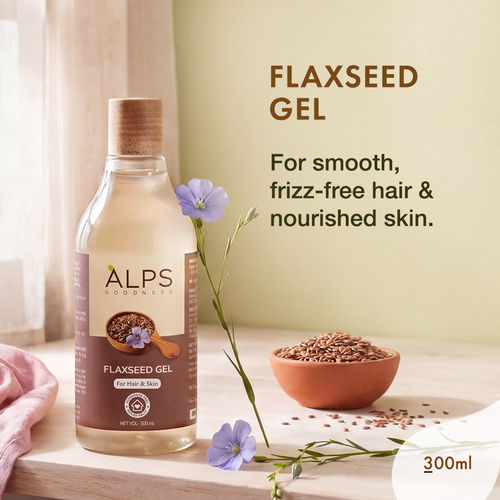
Best overall: Alps Goodness Flaxseed Gel (300 ml) leads this list as the easiest daily-use pick with the largest verified review base in its category on Purplle.
Start here if your hair gets puffy after every wash. The gel texture gives slip without the oily feel of a champi oil, so it works on wavy hair, loose curls, and frizzy ends. A coin-sized amount on damp lengths leaves a light cast at first, then softens once you scrunch it. It's not a deep repair mask, and it won't help your scalp. Those are different jobs.
Who should use it: Anyone who wants frizz-control after shampoo without heaviness or oiliness.
Who should skip it: Very fine, straight hair that falls flat with any gel weight.
Best for: Night scalp-care routine |
Texture: Non-oily drops |
Key ingredients: 3% Redensyl, 4% AnaGain, 2% Baicapil, rosemary, caffeine, biotin |
Hair compatibility: All scalp types
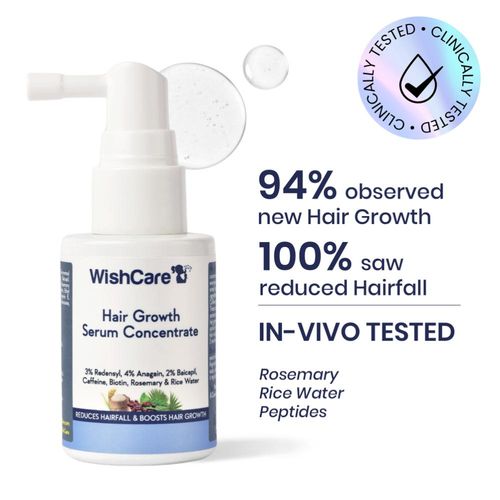
This is for people who prefer a leave-on scalp serum over heavy oiling. The formula lists 3% Redensyl, 4% AnaGain, 2% Baicapil, rosemary, caffeine, biotin, plant keratin, and rice water — one of the most ingredient-dense options here. It works better as a consistent night-time routine than a quick shine product. Scalp serums need patience, not one dramatic use.
Who should use it: Anyone building a non-oily night scalp routine who wants multiple actives in a single bottle.
Who should skip it: People who want instant smoothness on hair lengths. This works on the scalp, not the shaft.
Best for: Pre-wash oiling |
Texture: Medium oil, not too heavy |
Key ingredients: Rosemary, methi dana (fenugreek) |
Hair compatibility: Normal to dry scalp
The practical pre-shampoo oil for homes where Sunday champi still happens. It has rosemary and methi dana in a 200 ml bottle, so the price per use stays manageable. Massage it into the scalp, pull the leftover oil through the ends, then shampoo properly twice to rinse. If your scalp is already oily or dandruff-prone, leaving oil overnight will feel too heavy.
Who should use it: People who want a familiar weekly oiling step with rosemary and fenugreek in a family-sized bottle.
Who should skip it: Oily scalps that itch after oiling or need frequent washing.
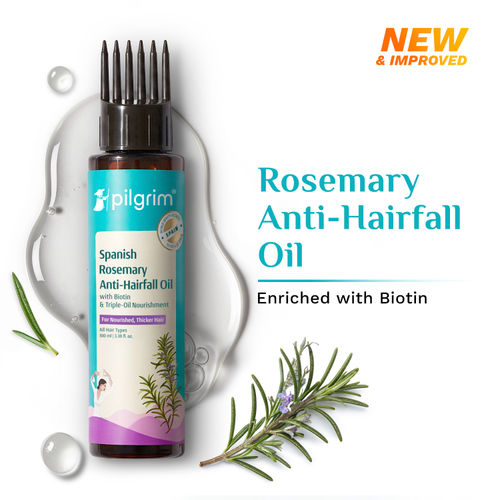
Pilgrim's rosemary and biotin oil has the highest verified rating in this list. The 100 ml size is right if you don't want a large bottle sitting in the bathroom for months. It's better suited to targeted scalp massage once or twice a week than full-length oil soaking; lighter texture makes it easier to distribute without oversaturating the roots. Smaller bottle, higher cost per 100 ml than Mamaearth.
Who should use it: People who want a compact rosemary oil for focused weekly scalp massage, not full-length champi.
Who should skip it: Families looking for the best value large-bottle option; Mamaearth serves that need better.
Best for: Affordable leave-on scalp step |
Texture: Light, non-oily drops |
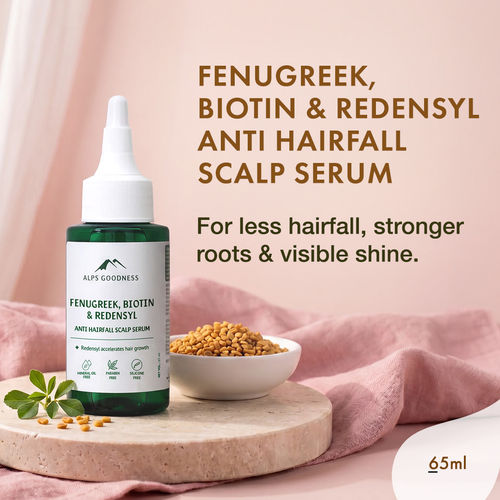
Key ingredients: Fenugreek, biotin, Redensyl |
Hair compatibility: All scalp types; not for active irritation
The value pick in the scalp-serum category. It has one of the larger Purplle rating bases on this list and a formula story built around fenugreek, biotin, and Redensyl. The light texture suits people who don't want oil on pillows. Read hair fall claims as cosmetic support rather than a medical treatment for sudden or severe shedding. Those need a dermatologist.
Who should use it: Anyone who wants an affordable non-oily leave-on scalp step with a well-tested review base.
Who should skip it: People with active scalp irritation, unexplained hair fall, or a medical diagnosis; those need professional advice first.
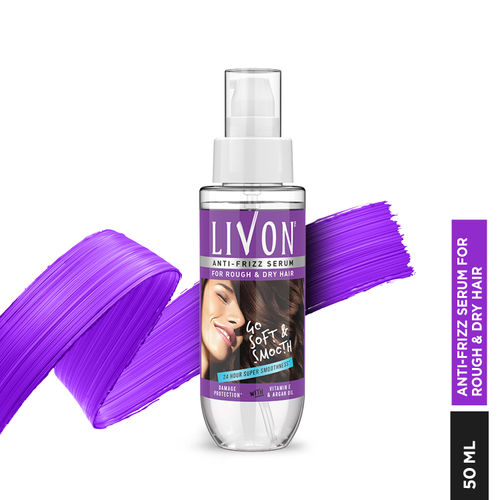
Best for: Quick detangling and shine after washing |
Texture: Lightweight silicone slip |
Key ingredients: Silicone-based conditioning agents |
Hair compatibility: Normal to straight hair; not for curly types
Livon is the classic last-step serum: two pumps, palms rubbed together, applied mid-lengths to ends. It's useful when hair looks dry after air-drying or after a bike ride in hot weather. The immediate payoff is slip: combs move easier and rough ends look neater. It doesn't nourish the scalp, and it doesn't replace oiling or masking. It does one thing well, and that's enough.
Who should use it: People who want instant manageability and shine immediately after washing, every time.
Who should skip it: Curly hair that prefers cream or gel over silicone-based serums, which can cause buildup with curl methods.
Best for: Ayurvedic pre-wash oiling |
Texture: Medium herbal oil |
Key ingredients: Bhringraj, amla, brahmi, svetakutaja, 11 Ayurvedic herbs total |
Hair compatibility: All hair types; pre-wash routine only
For anyone who prefers a traditional bhringraj-led formula over a clinical serum bottle. The nozzle-style applicator delivers oil directly to the scalp without coating your palms. It suits a pre-wash routine more than leave-in use, as herbal oils can sit heavy on roots if left in overnight. The 11-herb blend adds amla for follicle support and svetakutaja for scalp hygiene. The scent is distinctive and stays on for a while.
Who should use it: People who want a well-established Ayurvedic pre-wash formula with a multi-herb ingredient story.
Who should skip it: Anyone sensitive to strong herbal fragrances; the scent doesn't fade quickly after application.
Best for: Dry, frizzy, tangling lengths |
Texture: Rich cream mask, rinse-off |
Key ingredients: Patua oil, hydrolyzed keratin |
Hair compatibility: Dry, treated, or long hair
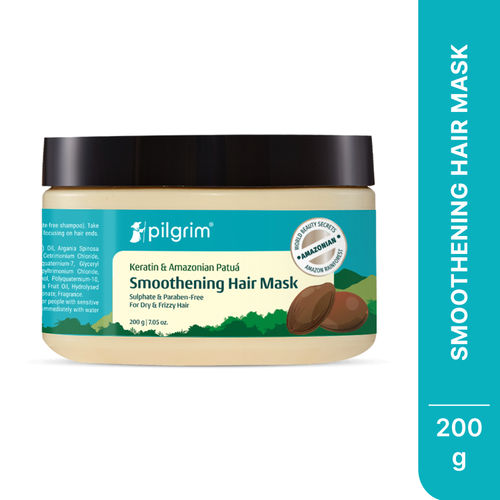
The rinse-off comfort product on this list. A mask format gives more cushion than a serum, so it works better for dry lengths, rough ends, or hair that feels stiff after shampoo. Patua oil and keratin make the ingredient story more substantial than a basic conditioner. It needs a few minutes in the shower; if you're not willing to wait, a serum will suit your routine better.
Who should use it: Dry, frizzy, treated, or long hair that tangles badly after every shampoo.
Who should skip it: Very oily, short hair that gets weighed down quickly; a lighter conditioner will serve you better.
Best for: Dry, dull, dehydrated-looking lengths |
Texture: Light serum, non-greasy |
Key ingredients: Hyaluronic acid |
Hair compatibility: Dry to normal hair; not for scalp focus
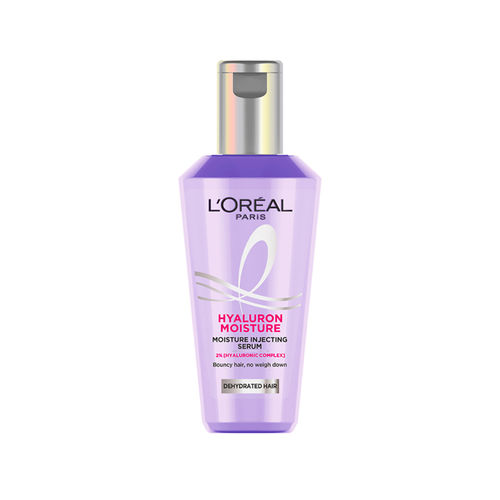
For hair that looks dull and thirsty rather than oily or limp. Hyaluronic acid is the headline here, positioning the formula around bounce, frizz-control, and a moisturised feel rather than scalp treatment or deep repair. It's a good mid-point when you want something lighter than a mask and more polished than plain oil. The rating base is smaller than Livon or Alps Goodness, so treat the rating as promising rather than settled.
Who should use it: Dry lengths that need a smooth, hydrated finish without heaviness, especially on blunt-cut or colour-treated ends.
Who should skip it: People whose priority is scalp oiling or hair fall support; this isn't that product.
For daily frizz-control, Alps Goodness Flaxseed Gel is the clearest starting point. For a focused night scalp routine, WishCare is the most active-dense option. Between Mamaearth and Pilgrim for oiling, Mamaearth gives better value per ml; Pilgrim is better suited to a compact, targeted weekly massage.
Start with oil before shampoo, not after. Pre-wash oiling (Mamaearth, Pilgrim, or Indulekha) works by coating the hair shaft before shampoo strips it. Apply to dry hair 1 hour before washing, or leave overnight. If you apply oil to clean hair, it just sits on the surface.
Apply scalp serum on a clean, dry scalp. WishCare and Alps Goodness Scalp Serum both work as leave-on treatments. Section the hair and apply drops directly to the scalp, not the length. Once a day at night is enough — don't layer multiple serums in the same session.
Use mask instead of conditioner, not with it. Pilgrim Patua Mask replaces your conditioner on wash day. Apply mid-lengths to ends after shampoo, leave 3–5 minutes, rinse fully. Using a mask on top of conditioner overloads the hair and leaves a greasy film.
Apply gel and serums to damp hair only. Alps Goodness Flaxseed Gel, Livon, and L'Oreal Hyaluron Serum all work best applied to towel-dried, damp hair before air-drying or diffusing. Applied to dry hair, they can look white or sticky rather than absorbed.
Use two rounds of shampoo on oil days. Any oil, especially castor-based or herbal blends, needs two washes to fully clear the scalp. One rinse leaves residue that blocks follicles and causes the kind of scalp irritation that worsens shedding.
Give any active scalp product 6–8 weeks before judging it. India's monsoon (June to September) brings seasonal shedding for most people. Starting a scalp serum routine in May and comparing your hair in June will look like the serum is failing, when it's actually the weather. Judge after two full months on a consistent routine.
Storage tip: keep water-based serums and gels away from direct sunlight and away from steam. In a humid coastal city, a bathroom shelf next to the shower is the worst spot for active-loaded scalp serums; heat and moisture degrade concentrations faster than the expiry date suggests.
Frequently Asked Questions
Which is the best hair nourishment product overall?
Alps Goodness Flaxseed Gel (300 ml) is the best overall pick for most people. It works after every wash for frizz-control, has one of the largest verified buyer rating bases in this category on Purplle, and suits daily use without heaviness. It won't replace oiling, but it's the easiest routine product on this list.
Which hair oil is best for nourishment?
For pre-wash oiling, Mamaearth Rosemary Hair Growth Oil is the better value pick with a large bottle for family use. Pilgrim Rosemary & Biotin Hair Growth Oil has a higher rating from a smaller review base and suits targeted scalp massage better. Choose Mamaearth for volume, Pilgrim for focused weekly use.
Is hair serum better than hair oil?
Serum and oil do different jobs. Oil is used before shampoo to soften the scalp and lengths. Serum is used after washing to reduce tangles and frizz. Livon is a quick detangling serum for after washing; Indulekha and Mamaearth fit a pre-wash oiling routine. Neither replaces the other.
What ingredient should I look for in a nourishing hair product?
Look for the job first. Coconut oil is useful for protein-loss reduction, keratin supports a smoother damaged-hair feel, ceramides suit repair-focused masks, and hyaluronic acid helps dry-looking hair feel softer. If your scalp is sensitive, don't start with too many essential-oil products at once.
Are haircare products on Purplle authentic?
Yes. Every product sold on Purplle is sourced from authorised brand channels, and the platform's authenticity guarantee covers all listings. Purplle product pages also weigh Certified Buyer ratings higher in the star calculation, which is the number to check before buying.
Can men use these hair nourishment products?
Yes. Several products here are positioned for both women and men, including Pilgrim Rosemary & Biotin Hair Growth Oil, Livon Hair Serum, and Pilgrim Patua & Keratin Hair Mask. The more useful question is hair type: oily scalps need lighter leave-on products, while dry or frizzy lengths can handle richer masks.
References
Rele AS, Mohile RB. Effect of mineral oil, sunflower oil, and coconut oil on prevention of hair damage. Journal of Cosmetic Science. 2003;54(2):175–192.
Panahi Y, Taghizadeh M, Marzony ET, Sahebkar A. Rosemary oil vs minoxidil 2% for the treatment of androgenetic alopecia: a randomized comparative trial. Skinmed. 2015;13(1):15–21.
Sharquie KE, Al-Obaidi HK. Onion juice (Allium cepa L.), a new topical treatment for alopecia areata. The Journal of Dermatology. 2002;29(6):343–346.
American Academy of Dermatology. Hair care that promotes scalp and hair health. https://www.aad.org