
Tips & Hacks
The Ultimate Handwashing Guide for Effective Cleanliness
Sneha Singh
When it comes to healthcare, no one seems to pay attention to how important it is to wash their hands. If you don’t wash your hands regularly, chances are you’ll transfer bacteria from one part of your body to another and other people. This can lead to the spread of diseases. Case in point: the COVID-19 pandemic. While the pandemic didn’t spread through the negligence of washing hands alone, this one particular step could make a significant impact.
The simple act of washing your hands is necessary for staying safe and healthy. And you've probably heard of hand hygiene guidelines, but they're often complicated and confusing, so we have come up with the ultimate handwashing guide to simplify the process for you.
Effective Steps in Handwashing
We all know how important it is to wash our hands as often as possible and as thoroughly as possible. But do we know how to wash our hands in a way that actually gets them clean? Before we get into this, let’s address the simple rules to follow when it comes to handwashing:
1.Wash your hands before and after every meal (even during preparation).
2.Wash your hands after using a restroom (when using a public restroom, try to use tissues to switch off taps and handle doorknobs).
3.Wash your hands after coming in contact with an animal or an insect.
4.Wash your hands after touching garbage that could be contaminated.
5.Wash your hands after blowing your nose, coughing or sneezing.
Now that you know how frequently you need to wash your hands let’s get into the process. There are three simple rules to follow:
1. Soap up:
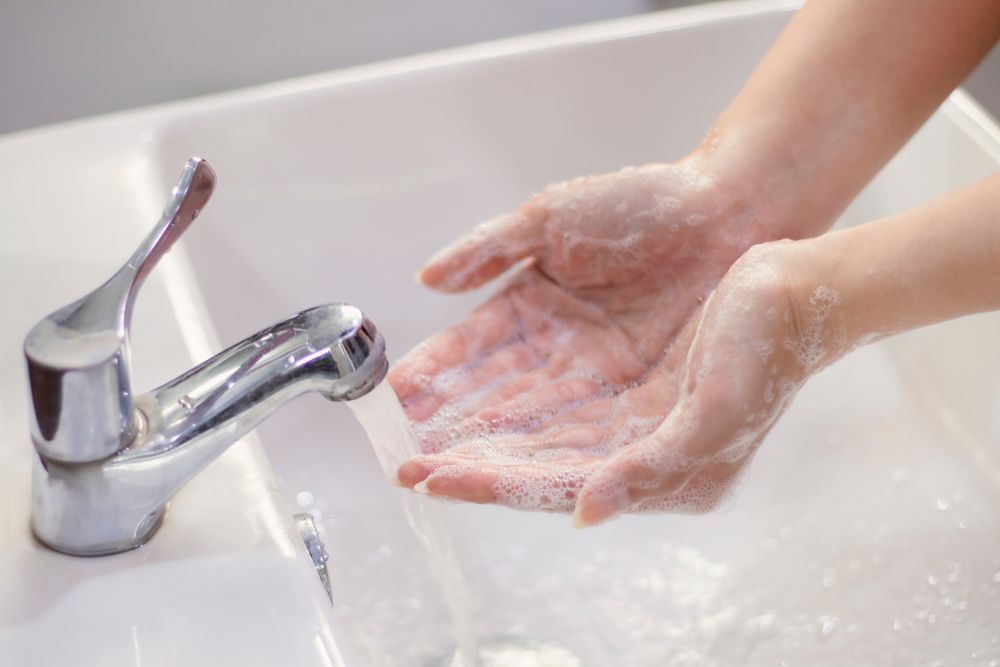
It’s essential to lather your hands with soap and water. The water can be warm or cold; both are effective! The soap will help lift dirt and bacteria from the skin and make it easier to rinse off.
2. Scrub:
Once the soap is on your hands, rub them together vigorously for at least 20-30 seconds. Ensure that you get every part of your hand covered, including that between your fingers, under each fingernail, on the back of each hand, and around the wrist. You can sing "Happy Birthday" twice to time yourself!
3. Rinse:
Turn on the water and hold your hands under the tap until they are thoroughly cleaned of soap residue. Finally, dry your hands with a clean towel or fresh tissue.
Pro Tip: On the off chance that you don’t have access to soap, try an alcohol-based sanitiser. Make sure that it has at least 60% alcohol.
How to Choose the Right Handwash
Handwashing is one of the most important things you can do to maintain good hygiene and prevent the spread of illness. Unfortunately, a lack of knowledge about choosing the right handwash for effective handwashing often results in inadequate hygiene practices.
There are many different kinds of handwashes on the market, including liquid soaps, gels, foams, antibacterial soaps, etc. These soaps vary in their ability to remove germs from hands, though it may be difficult to tell which ones do the best job just by looking at them. Here are some tips for choosing the right handwash:
1. The first thing to consider when choosing the right handwash is whether you will be using a soap or a liquid cleanser. While both types of products work well, soap is generally considered more effective for removing germs, bacteria, and dirt than a liquid cleanser.
2. A good handwash needs to contain at least 60% alcohol and hydrating oils like jojoba, avocado or olive oil, which will help keep your skin healthy when fighting off germs.
3. Alcohol-based washes are more effective than soap-based handwashes. If you work at a hospital or care home with more bacteria-based illnesses due to close contact with patients and their bodily fluids, you'll want an alcohol-based handwash.
4. Use products labelled “antibacterial” or “antimicrobial”. Such products have been shown to remove germs more effectively than soaps without these labels.
5. When possible, avoid scented soaps as they may contain fragrances that can irritate the skin or cause an allergic reaction.
Benefits of Handwashing
There are many benefits of handwashing:
- It prevents the spread of germs. Hands are the most common way to spread germs and fall sick. These germs can get into your body through your eyes, nose or mouth after touching these body parts without washing your hands.
- Respiratory illnesses like cold, flu and coronavirus spread from person to person, often through touch. Frequent handwashing helps prevent the spread of germs that cause these illnesses.
- It prevents infection in cuts and scrapes by removing bacteria and viruses that can enter the body through breaks in the skin.
- It helps prevent diarrhoea and respiratory infections in children. Diarrhoea causes dehydration, which kills several children each year worldwide. Here is the guide to maintain personal hygiene.
Frequently Asked Questions
1.How often do I need to wash my hands?
You must wash your hands before and after eating, while using the restroom, after contact with animals, and after touching public spaces.
2.How do I wash my hands effectively?
When washing your hands, make sure that you’re using soap. You must effectively wash the back of your hands, wrists, fingers, and even areas under your fingernails to get rid of all the germs. Then pat your hands dry with a fresh towel.
3.Is it vital to dry my hands with a towel?
Yes! Germs can spread much easier on wet and moist skin. Drying your hands will help prevent the spread.
4.Which handwash should I use at home or work?
It is best to use a soap-based handwash at home or work as they effectively remove germs that spread viruses.
5.What can I do in case I don’t have access to soap?
In that case, use a hand sanitiser that is at least 60% alcohol-based.
6.Will washing my hands help prevent coronavirus?
While washing your hands alone won’t contain the virus, it is an effective step. Along with this, practise social distancing and wear a mask in public spaces at all times.
Read more:
- A complete guide to maintain Personal Hygiene
About Sneha Singh
Sneha is a writer at Purplle.com. When she is not writing beauty stories, her mind weaves out supernatural and science fiction stories which she pens down in her diary. Sneha is an expert in Makeup, Health & Skin care and can advise you on all you need to know about keeping your body healthy with vitamins, minerals and a lot more. She is clearly a gym freak too and digs up on diet plans & cooks healthy food for her family & friends. Besides health, she also writes about baby and mothers’ care & her guides are very helpful for new parents. She likes to experience new adventures with one bite at a time.
Latest Articles