

Skincare
Find out the difference between chemical and mineral-based sunscreens
Sneha Singh
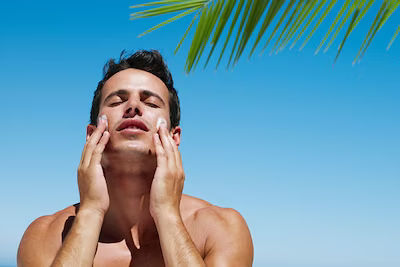
Do you spend a lot of time outdoors, under the sun? If the answer is yes, then you need a good sunscreen. India’s hot and humid climate means that you are rarely ever not under the sun. This, coupled with dust and pollution, means that your skin takes a considerable toll over time. A sunscreen is therefore a must to protect and enrich your skin.
To do this, you have the choice of going for a mineral or a chemical sunscreen. How do you choose between these two? As the name suggests, the former comes with natural ingredients that repair and rejuvenate the skin. The latter also does the same, however, it uses chemical compounds. Both protect the skin and repair it, so the decision to choose the right one can be difficult. So, which one is more effective? To do that, we have to first understand how sunscreen works.
The role of sunscreen
Everyone knows that the ultraviolet rays from the sun can damage the skin. These ultraviolet rays can be divided into two categories: UVA and UVB radiations. UVA radiations are usually weak, and they can only reach as much as your first layer of skin, your epidermal skin, which results in a tan.
However, UVB radiation can be harmful. These UVB radiations can penetrate deep into the layers of your skin. Prolonged exposure can even give rise to melanoma, a form of life-threatening cancer. With the number of cancer patients rising, it only makes sense to invest in as many preventative treatments as you can. Melanoma can spread to other body parts very fast, and often, when melanoma is diagnosed, it is already too late. So, this is why you need to avoid ultraviolet radiation at all costs, and for this purpose, you have sunscreen.
What is SPF?
SPF stands for Sun Protection Factor, which denotes the number of times it becomes more difficult for UV radiations to penetrate your epidermal layer after applying a chemical or mineral sunscreen.
In simple words, if your SPF is 15, then it would become 15 times more difficult for UVA to penetrate. Keep in mind that most sunscreens do not offer UVB protection. With UVA, you don’t risk much; the light will penetrate your skin and tan it.
However, UVB radiation can be very harmful. Unfortunately, not many skin sunscreen creams and sunscreen lotions available at the moment provide protection against UVB. This highlights the first difference between chemical and mineral sunscreens. Mineral sunscreens actually provide protection against both sorts of radiation. Let’s closely examine the difference between the two.
Difference between mineral and chemical sunscreens
You'll find various chemical sunscreens in the market. A chemical sunscreen is a lotion or a cream that protects you from the harmful UV radiations present in our environment. But it is made of artificially synthesized laboratory-generated chemicals. Most of these products are dermatologically tested, which means they are safe for external usage. However, there have been some concerns over the use of harmful chemical ingredients in these sunscreens.
A mineral sunscreen is derived from natural minerals that protect your skin from the sun's harmful radiation. They benefit your skin by enriching it with antioxidants, which prevent aging and other skin issues. These contain natural minerals like zinc oxide and titanium dioxide primarily. Both of these minerals are found naturally, and they can be synthesized in labs too.
Physical vs chemical sunscreen: How they work
One of the primary differences between chemical and mineral sunscreen is the way they penetrate your skin. What this means is that they may sometimes interfere with your skin’s natural properties, which could lead to breakouts and acne. They may promote more oiliness, and they may also interfere with your hormonal balance. Fortunately, mineral sunscreens don't do that. They just sit on the surface of your skin and reflect the sun's harmful radiations. They do not penetrate your skin, which means they are likely to cause the least amount of interference.
What this also means is that physical sunscreen is more suitable for babies and those with sensitive skin. People who are prone to acne should be very careful with chemical sunscreens. Since it penetrates the skin, it interferes with the natural balance of the skin. In such cases, it is better to opt for non-comedogenic products, which means a product that does not clog your pores.
How does it work with makeup?
Another important factor to keep in mind when comparing mineral and chemical-based sunscreens is that because your skin doesn't absorb the mineral sunscreen, you may find a pasty residue on your skin. This may not be suitable when you use makeup. However, in the longer run, it does very little harm to your skin. On the other hand, a chemical sunscreen blends right into your skin, which means that if you apply foundation or your makeup on top of it, you will get a non-pasty look.
However, one important discussion to be had in the physical versus chemical sunscreen debate is that you have to often reapply your sunscreen when you use a chemical-based sunscreen because your skin completely absorbs it. So, the choice is between a mineral sunscreen that could upset your makeup, but is not likely to harm your skin in the long run, or a chemical-based sunscreen that doesn’t interfere with your makeup but could damage your skin over time.
It ultimately comes down to what you prefer. For a range of chemical and mineral sunscreens, you can visit Purplle. We offer a wide spectrum of beauty products suited to various skin types. You can browse a variety of products that reduce the harmful effects of the sun on your skin. Here are 10 Best sunscreen & lotions for all skin types. Check us out today.
You might also like: 6 Benefits Of Mineral Sunscreen
About Sneha Singh
Sneha is a writer at Purplle.com. When she is not writing beauty stories, her mind weaves out supernatural and science fiction stories which she pens down in her diary. Sneha is an expert in Makeup, Health & Skin care and can advise you on all you need to know about keeping your body healthy with vitamins, minerals and a lot more. She is clearly a gym freak too and digs up on diet plans & cooks healthy food for her family & friends. Besides health, she also writes about baby and mothers’ care & her guides are very helpful for new parents. She likes to experience new adventures with one bite at a time.
Latest Articles