

Ask an Expert
The Complete Guide to SPF
Marriah Dhariwala
Introduction: The Basics of SPF
SPF stands for Sun Protection Factor. It measures how well the sunscreen will protect your skin from UV rays and is traditionally measured as SPF 15, SPF 20, SPF 30 etc.
The SPF number on a bottle of sunscreen indicates how much longer you can stay in the sun without damaging your skin than if you had no protection. For example, an SPF 15 will allow you to stay in the sun fifteen times longer before getting sunburned than if you had no protection at all.
The higher the SPF number, the better your sunscreen is at protecting against UVB rays and absorbing them before they reach your skin.
Why is SPF so Important?!
SPF is necessary to protect the skin from sun damage, age spots, and wrinkles. It may also help prevent skin cancer.
It filters out the sun’s UV radiation, which causes sunburn and long-term skin damage. It is recommended that everyone use at least an SPF 30 sunscreen to avoid the risk of skin cancer, but it's best to use a sunscreen with an SPF of 50 or higher if you are going to be outside for long periods of time.
Myths About SPFs & How to Break Them
SPFs are a necessary part of our daily routine. They protect us from the sun's UV rays and help us avoid skin cancer. But there are myths that surround SPF. Let’s break them down and find out what they really mean for you.
Myth: SPFs make your skin greasy
False! SPF does not make your skin greasy but can cause breakouts if you have acne-prone or sensitive skin. To avoid this, use a non-comedogenic sunscreen that is made with moisturising ingredients like jojoba oil or shea butter to prevent clogging pores and dryness.
Myth: SPFs cause cancer
False! This myth is false because while some studies show an increased risk of melanoma in people who use sunscreen, this study was done on mice, not humans. The study also did not consider the type of sunscreen used by the subjects or how often they applied it.
Myth: SPF is just a marketing trick to sell more sunscreen
False! SPF is a scientific measure of how well a sunscreen protects against UVB rays. It also protects against UVA rays, but not as well as it does against UVB rays.
Myth: I can't use sunscreen if I'm going to be outside for a short period of time.
False! Sunscreen should be applied 15-30 minutes before going outdoors and reapplied every 2 hours, especially after swimming, sweating or towel drying.
SPF in Skincare Routine and When to apply it
SPF is the most important part of your skincare routine. It needs to be applied on a daily basis. SPF not only protects your skin from aging and wrinkles but also prevents further sun damage, keeping you looking younger for longer.
It is best to apply SPF in the morning, as it will protect your skin all day long, even when you are indoors. It should be applied 15-30 minutes before going out in the sun as it takes time for SPF to settle on your skin and protect you from UV rays.
Is sunscreen required for Indian skin?
It is a proven fact that dark-skinned people naturally produce more of a chemical called melanin, which gives the skin colour and absorbs the sun’s damaging ultraviolet (UV) rays.
But, health experts advise everyone, regardless of skin colour, to use sunscreen with an SPF of at least 30. Although dark-skinned people won’t get sunburned as quickly, they are still susceptible to sun-induced damage—such as sun spots and wrinkles—and cancer.
Although dark skin is naturally more protective against harmful rays from the sun than fair skin, people of all skin types can burn if they don’t wear sunscreen. The burn may not be as obvious on dark skin, but this does not mean it is harmless. It is important for everyone to take preventative measures against sunburn, suntan and photoaging. No one should consider themselves immune to the damages of UV rays!
Is sunscreen required indoors?
Many people believe that sunscreen is only needed when they are in the sun. However, skin can still get damaged from the sun's rays even if it is not exposed to sunlight.
If you are staying indoors for a prolonged period of time, you should also use sunscreen to protect your skin from UV rays. It should be applied every 2-4 hours.
How to apply:
Step 1: Choose the right SPF - Make the choice keeping your schedule and skin type in mind. Anything above SPF 30 will give good sun protection.
Step 2: Cleanse - Start by washing your face with soap and water or using an oil-free cleanser for oily skin types.
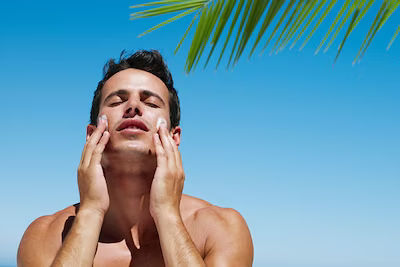
Step 3: Apply - Apply a thin layer of sunscreen over all at least 20 minutes before going outside.
Step 4: Reapply - It should also be reapplied every two hours or more often if there are signs of excessive exposure to the sun, such as redness or irritation.
You can try the following:
Best Sunscreen Available on Purplle
1. DermDoc SPF 30 from DermDoc

Customer Rating: 4.2 / 5
Net Volume: 50g
Explore: DermDoc Sunscreen
2. Alps Goodness Blue Light Protection Sunscreen
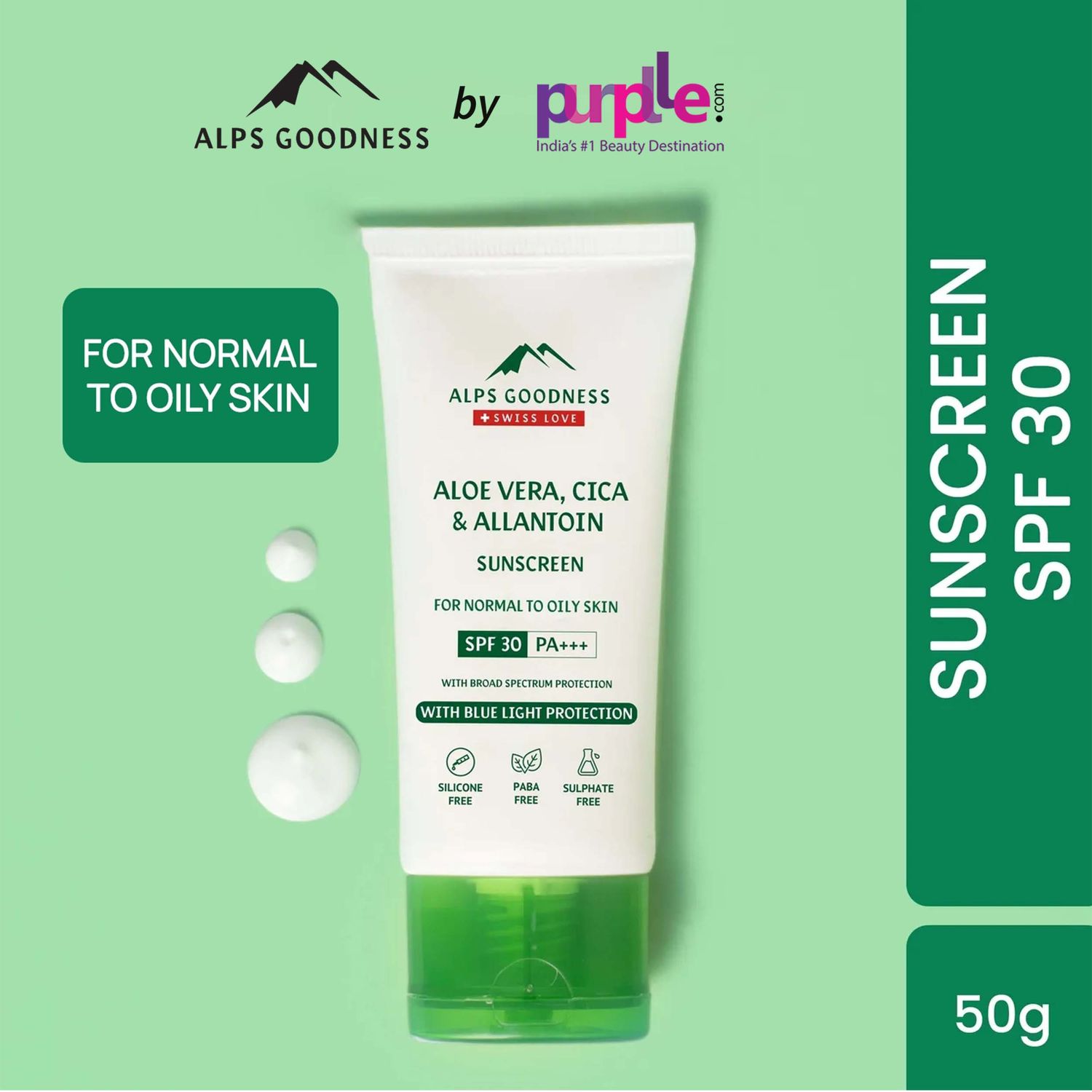
Customer Rating: 4.3 / 5
Net Volume: 50g
Explore: Alps Goodnss Sunscreen
3. Neutrogena Sheer Zinc Dry Touch Sunscreen SPF 50+
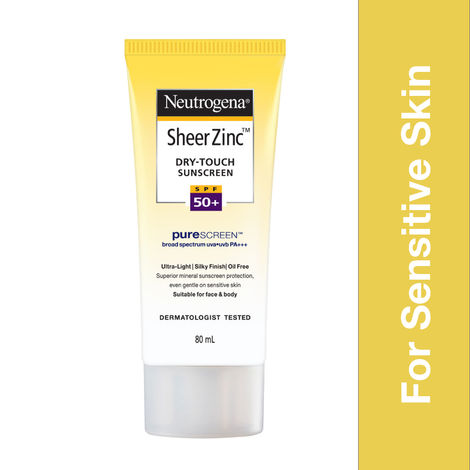
Customer Rating: 4.3 / 5
Net Volume: 80ml
Explore: Neutrogen Sunscreen
Conclusion: The Importance of SPFs for your Skin
Sunscreen is a must-have for everyday life, and it helps protect your skin from harmful UV rays that can cause wrinkles, age spots, and skin cancer.
It is important to note that SPF works only when it is applied correctly. You should apply sunscreen at least 15 minutes before going outside and reapply at least every two hours or after sweating heavily or getting wet.
Read More:
- Is It Important To Use SPF During Winters?
About Marriah Dhariwala
Marriah is 5ft of Netflix and book references with a sweet tooth who also loves subways, pizzas, and much more. You will either find her reading, writing or drawing in her diary. She is friendly and cheerful with bright smiles and a smart mind.
Latest Articles