
Ask an Expert
Dermatologist Speak On The Right Way To Layer Skincare
Simran Sukhnani
Let’s Dive In
The world of Scientific Skincare is a new land that’s now being conquered. With #Instareels feeding us new information 24x7, it becomes difficult to make the right choice. On top of it, this confusion gets mixed with misinformation and takes you on a whole another spiral. But today, I am here to break YOU out of the chain! With all the questions boggling my mind, I decided to stir up the milk and take the informed road - Talking to an expert!
So here’s all you need to know about ingredients needed for layering skincare that sound very science-y! No need to put on the lab coat! Purplle is here to do that for you!

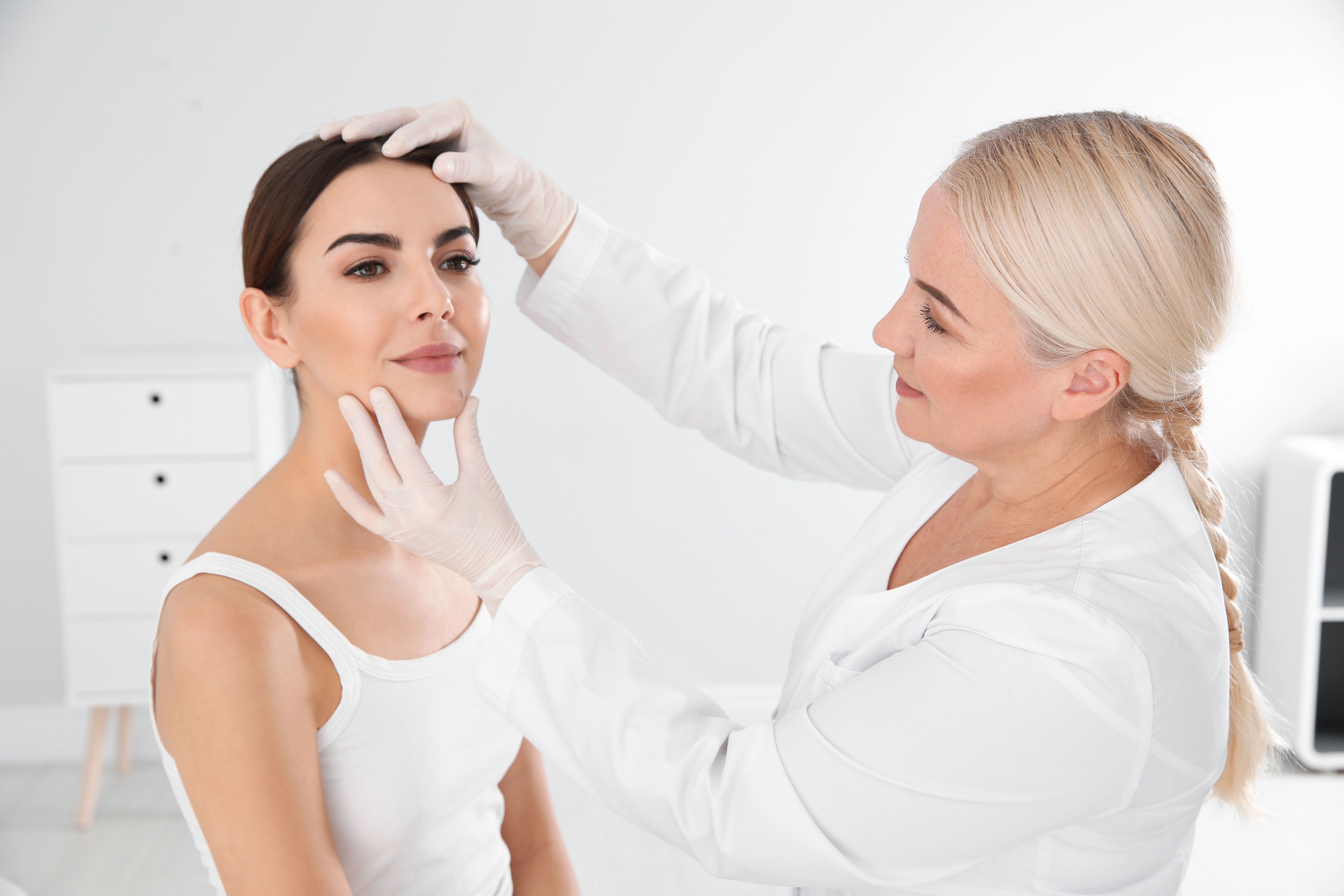
I got into a conversation with Dr. Natasha Vijayendran, MBBS, MD, Founder & Director of Tricho 360, to talk about “THE RIGHT WAY TO LAYER SKINCARE,” and here’s what we talked about!
Time For Some Chit-Chat
Question: Let’s start from the basics. What do you mean by Layering Skincare?
Dr. Natasha: In today’s time, having a skincare routine is the need of the hour. Not just to look good but also to protect your skin from day-to-day environmental stressors. The most prominent thing to keep in mind while developing a skincare routine is
a. Understanding your skin type
b. Choosing products according to your skin type
Secondly, there are three necessities for a skincare routine. Step 1 is Cleansing. Step 2 is Moisturizing. Step 3 is Protection, aka, Sunscreen! These are the three basics of Layering Skincare. They serve as stepping stones that should be followed in every skincare routine irrespective of age, gender, location and skin concern.
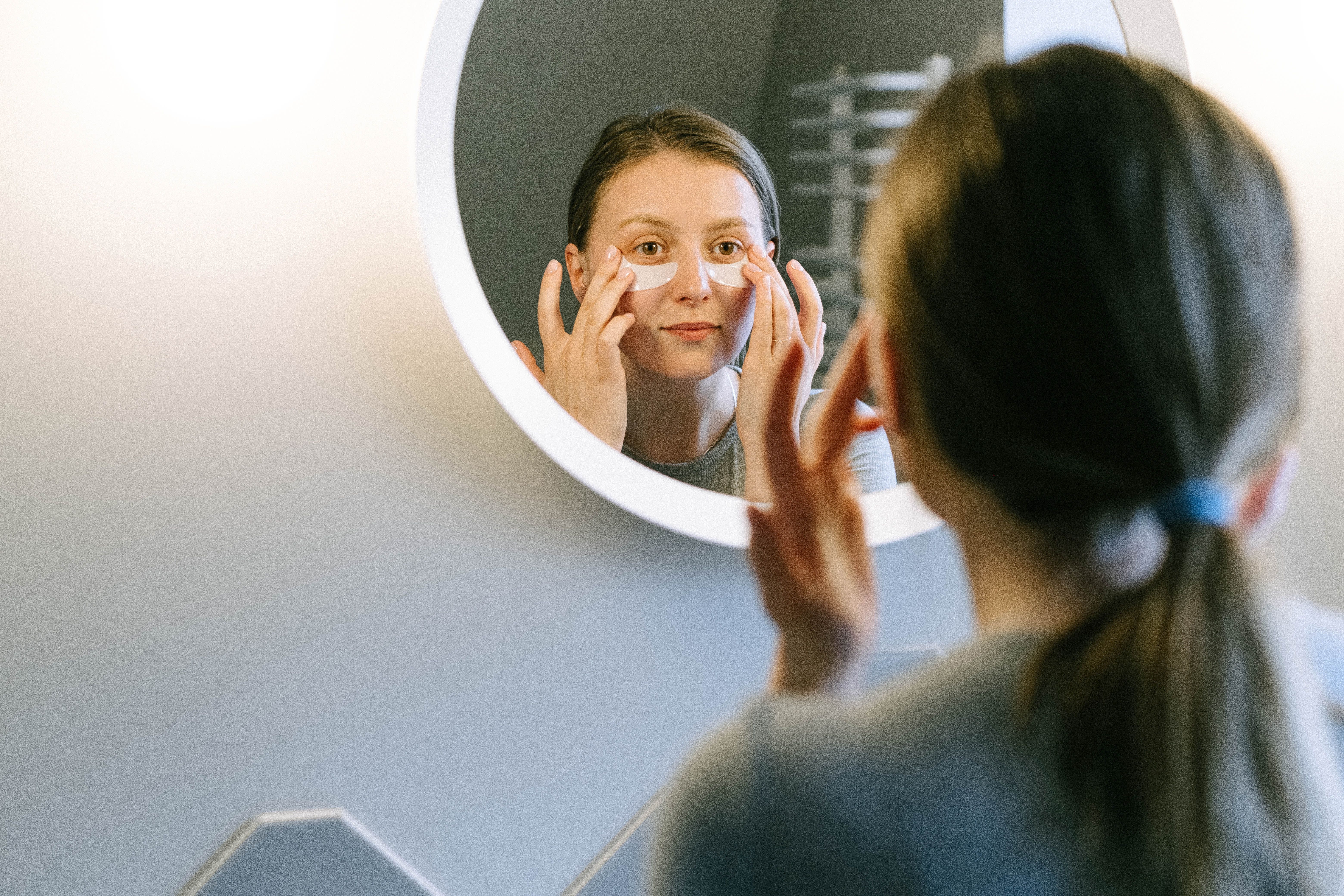
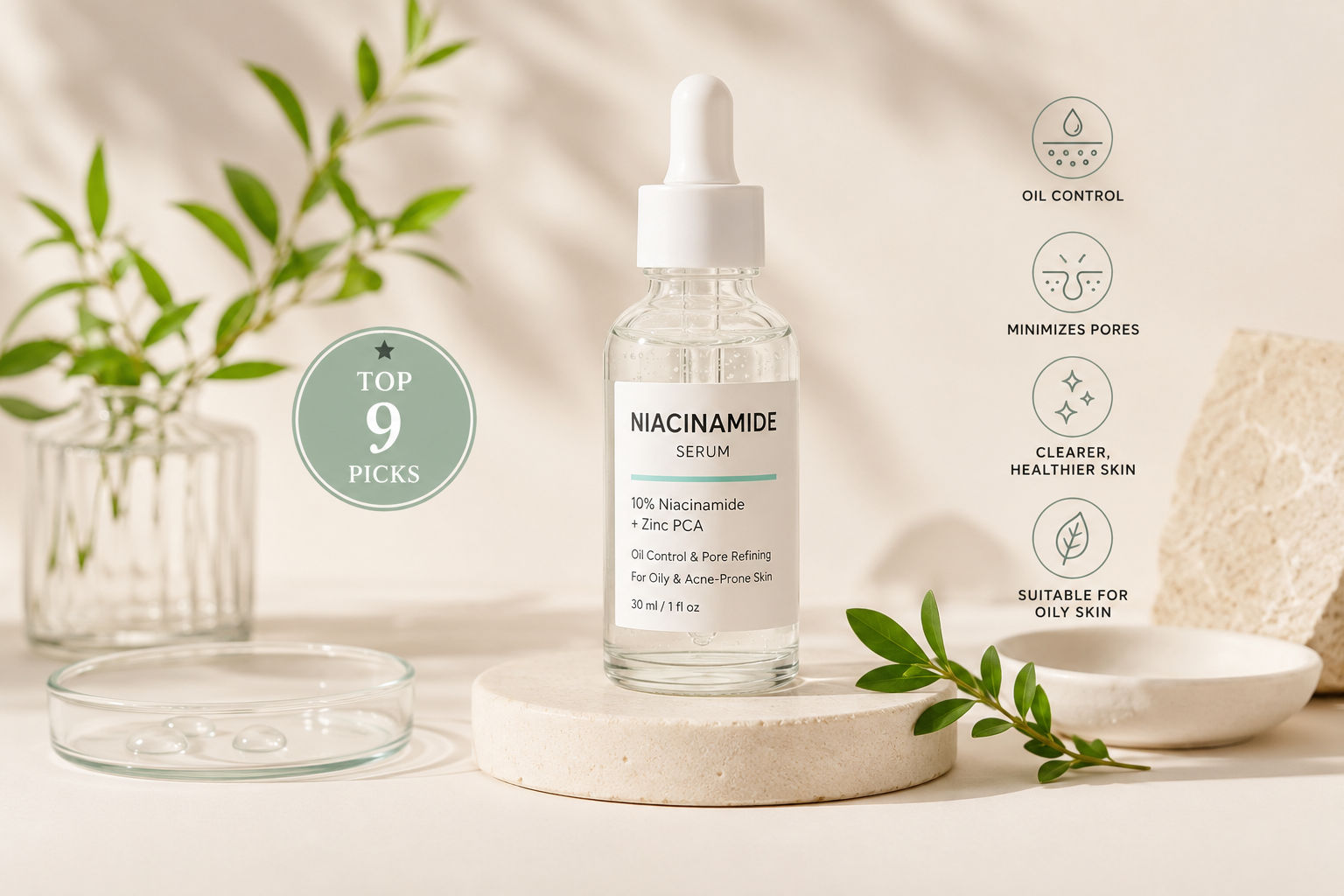
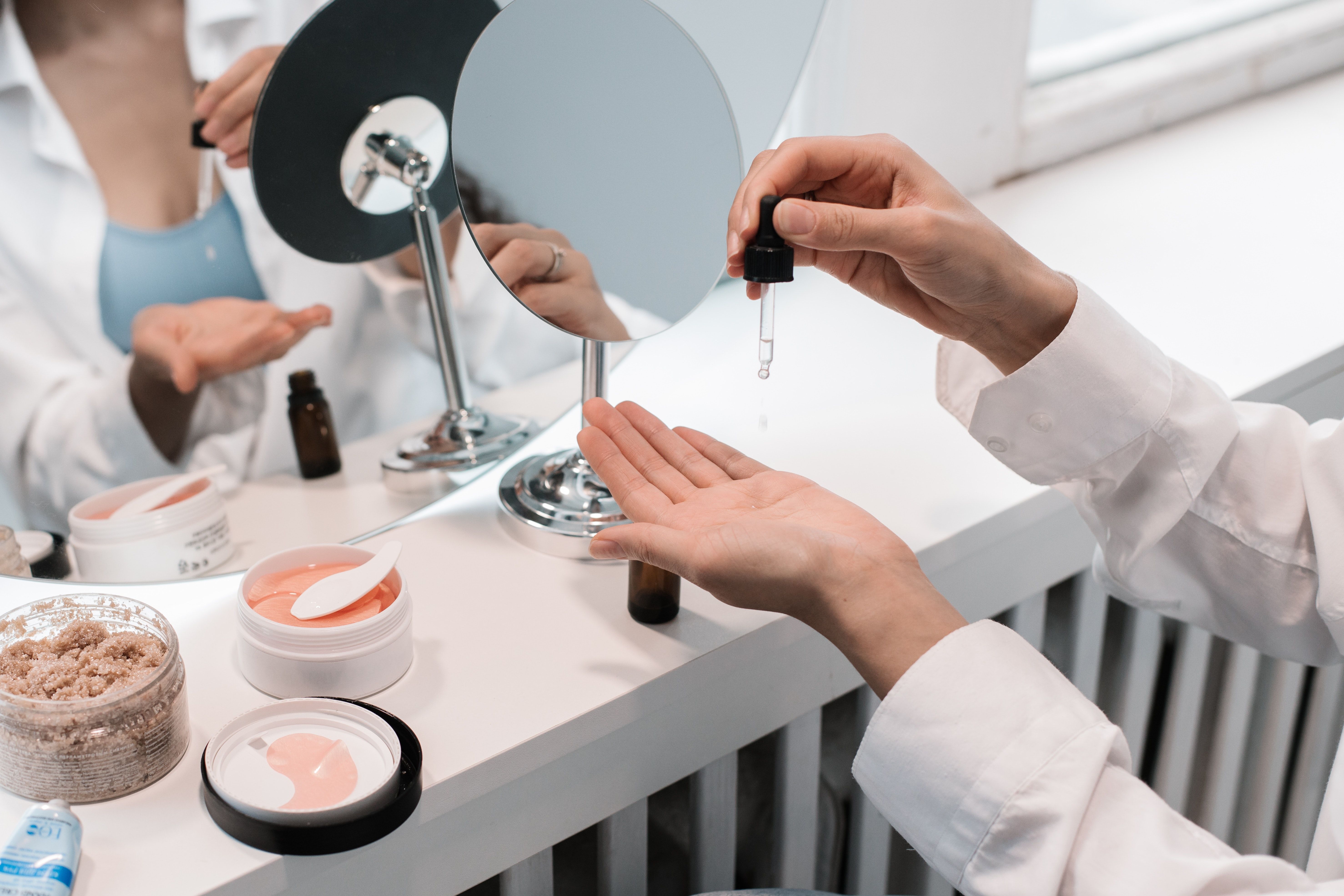
Apart from these, we have other formats of Skincare Products as well. The most common one is a Serum. Serums are made highly concentrated with low molecular weight. This ability allows them to travel deeper into the skin layers and they are able to produce a mega-dose at that surface. They are lighter than moisturizers and hence should be applied before cream-based moisturizers.
Question: Are there any rules for Layering Skincare?
Dr. Natasha: One rule of thumb for Skincare Layering is to go from the thinnest to the thickest. The products with lighter weight should be applied first, followed by the ones with thicker consistency.
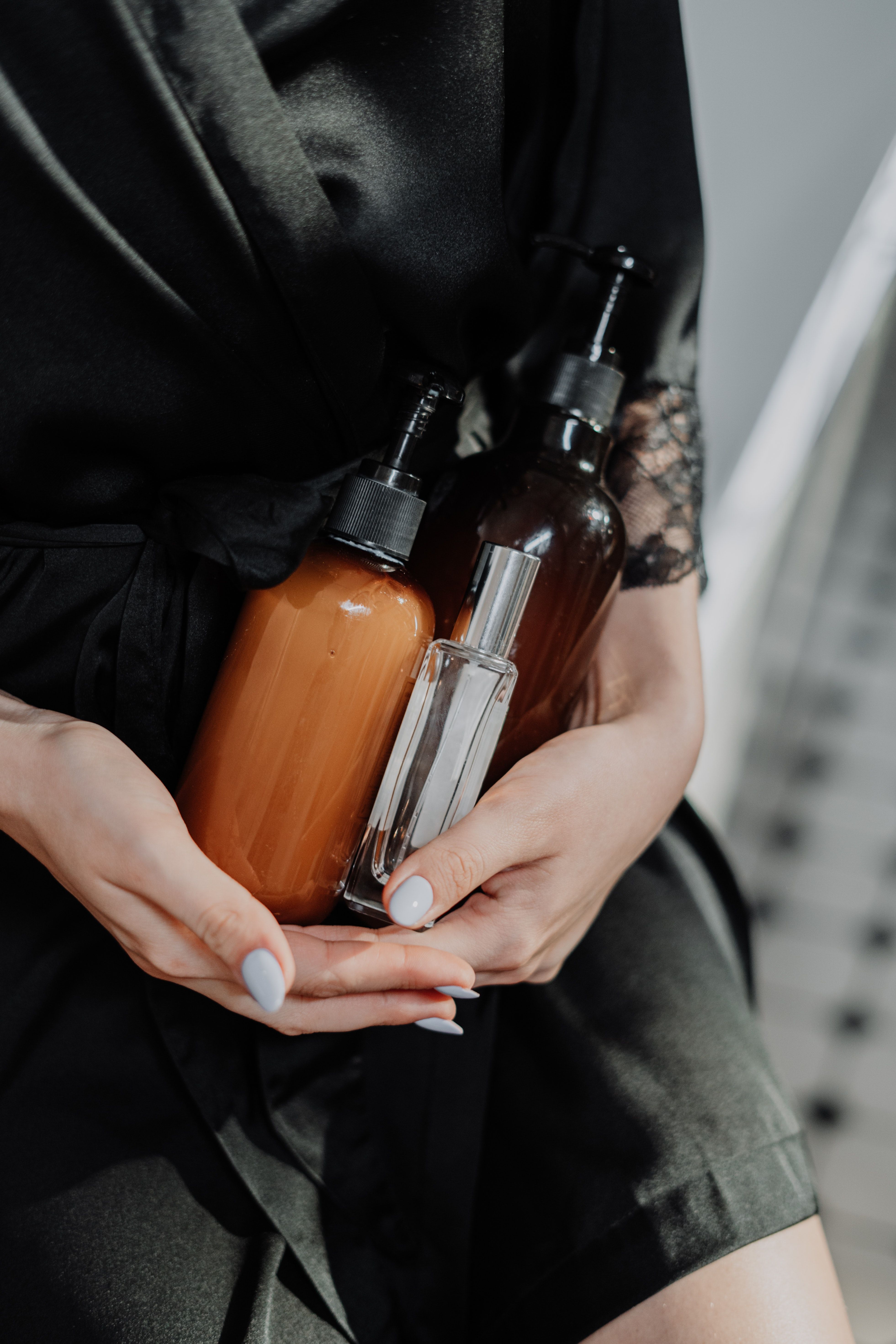
I’ll give a sweet and spicy example. Prepare a Chicken Curry, keep it in the fridge for some time. You will notice that the oil layer comes to the top while the spices and water settle at the bottom. That’s the concept you have to follow while layering your skincare products. All the water-based products should be closest to the skin and the cream and oil-based products go on top!
Question: That’s an amazing concept and I’m sure it’ll help people to easily remember what comes after what! My next question to you would be the role of active ingredients in Layering Skincare?
Dr. Natasha: When you enter the world of Social Media, everyone is chanting ‘active ingredients.’ I’ll break it down for you! These are chemical ingredients that have a particular role to perform on your skin and target a specific skin concern. When active ingredients enter your skin, they act on a cellular level to modify, change or enhance something deeper in the skin layers. They come with a specified job.

Question: What are the different types of active ingredients?
Dr. Natasha: There are a number of active ingredients, for example, from the family of Alpha Hydroxy Acid (AHAs) we have Glycolic Acid, Lactic Acid, Mandelic Acid. Moving on to the family of Beta Hydroxy Acids, we have Salicylic Acid, Polyhydroxy Acids.
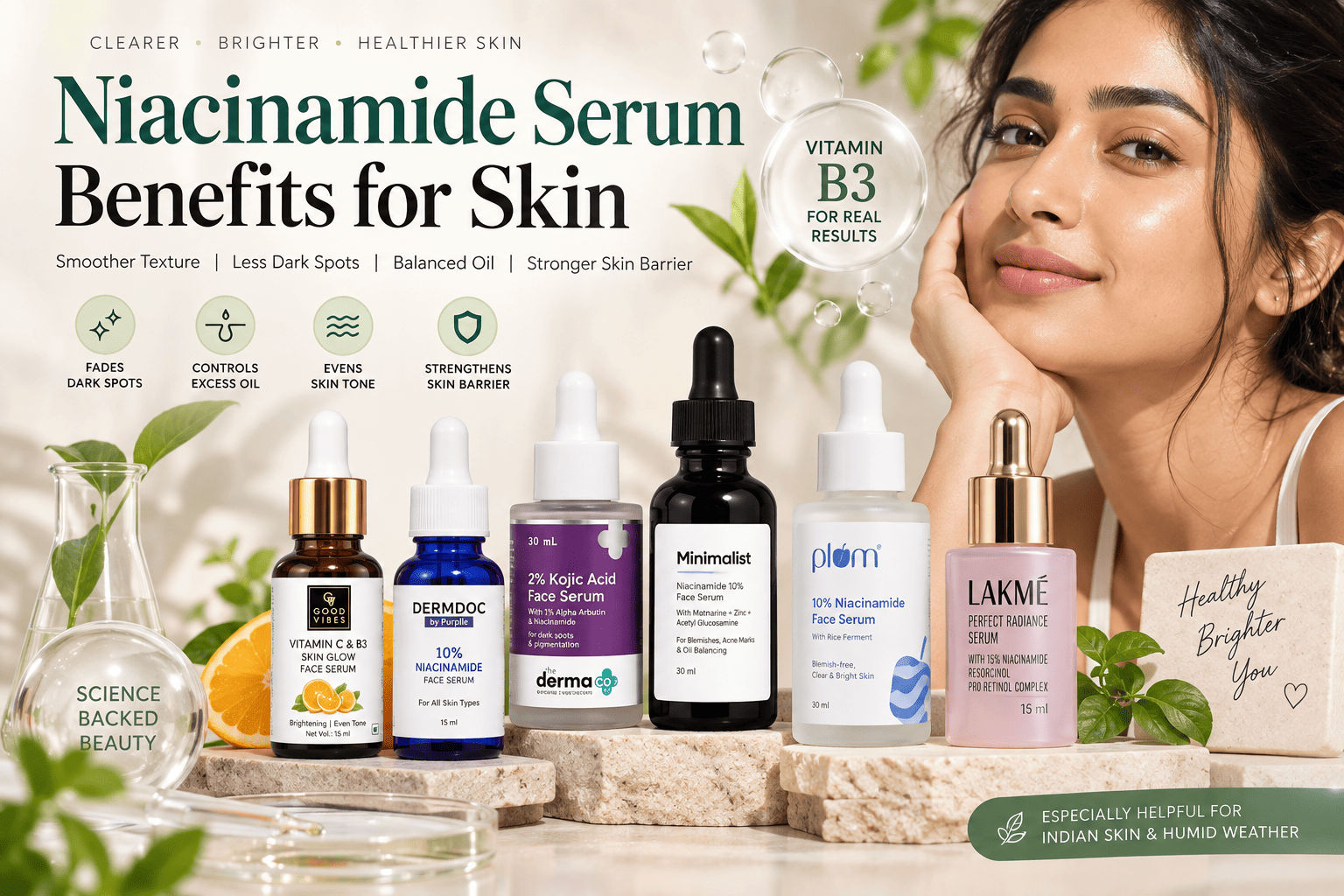
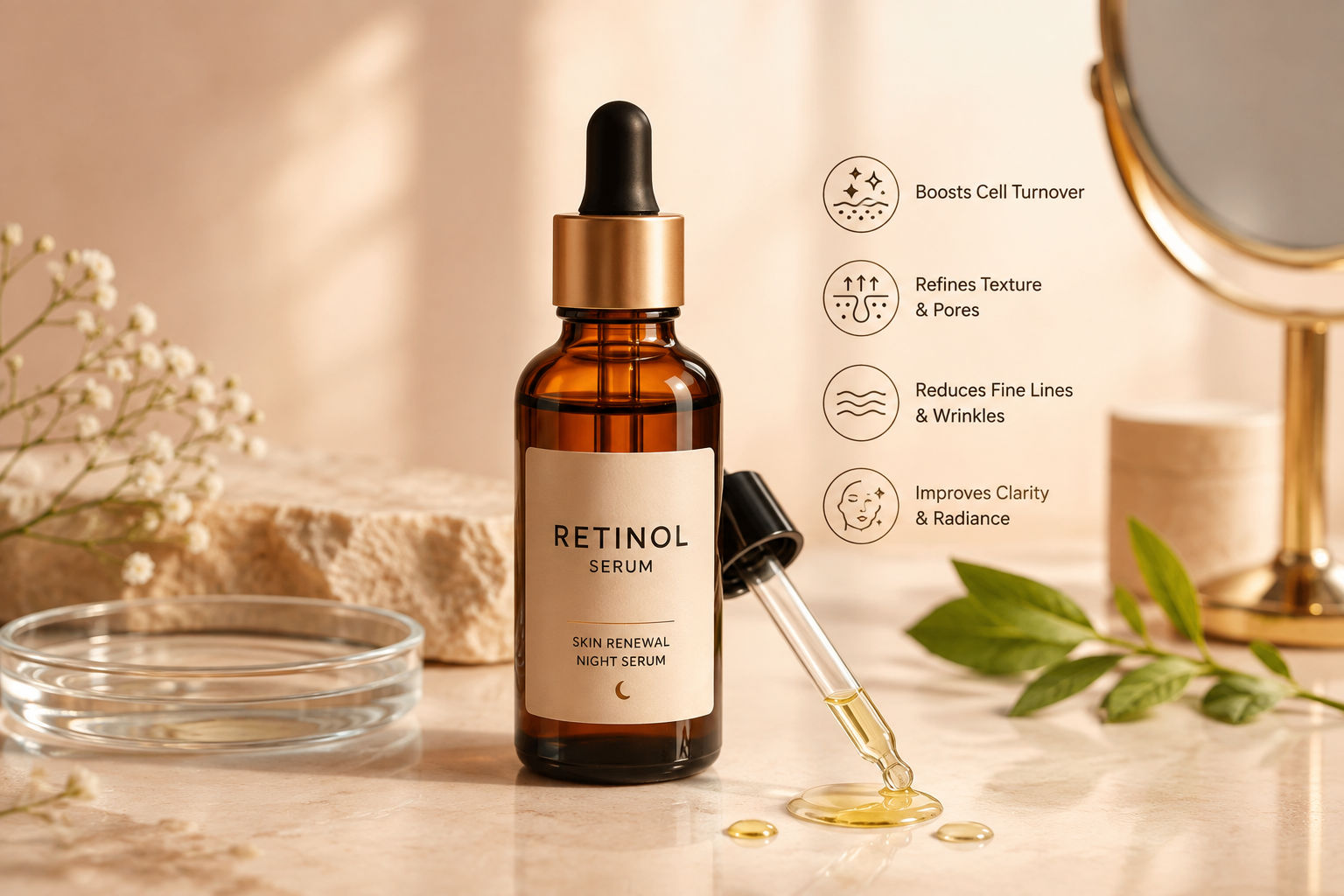
Then enter the ABC ingredients. A stands for Vitamin A (Retinoids), B for Vitamin B (Niacinamide) and C for Vitamin C.
When you are creating a skincare routine around these active ingredients, one key aspect to keep in mind is don’t go overboard. You can use one at night and one during the day. Additionally, pick your active ingredient according to what you want to treat, aka, your skin concern.
Read Also: Skin Microbiome - What is it & What are its benefits?
Question: How long should one wait to see results with active ingredients?
Dr. Natasha: There are a lot of patients that come up to me and complain “I used this product for so-and-so time or I finished a bottle, there’s still no change in my skin.” People need to understand that skincare takes time to work and every ingredient works differently.
- With Salicylic Acid you can see results within 2-6 weeks
- Vitamin C takes about 8 weeks to start showing results
- Azelaic Acid, on the other hand, takes about 4 months
Thus, until you finish 2-3 bottles of the particular product, you’re not going to see the desired effect. Don’t simply switch to another ingredient or product, instead, give it some time and keep the use regular.
That’s it folks! The end of session 1 with Dr. Natasha, discussing The Right Way To Layer Sunscreen. This derm-talk helped me a heck lot and I’m sure it will also assist you in making the right skincare decision! Check the best skincare routine and we’ll come back with another insightful conversation with the dermatologist soon.
So keep all the points in mind and the next time you want to buy skincare - Go Purplle! ????
About Simran Sukhnani
Someone who likes to jump from one task to another, writing is one of Simran’s many passions. You can often find her yapping about skincare and makeup trends, because she just can’t get enough!
Latest Articles