Written by Kavya Iyer, Purplle Content Lead (MSc Cosmetic Science, 6 years product R&D, 300+ products tested)
Medically reviewed by Dr. Priya Sharma, MBBS, MD (Dermatology)
Last updated: 4 September 2026Reading time: 16 minutes
Key Takeaways
• Good Vibes Vitamin C & B3 Serum combines two brightening actives in an easy-to-absorb formula, though the 15ml size requires
frequent repurchasing for consistent use.
• Research suggests niacinamide works best at concentrations between 4 and 10 percent, with effectiveness for barrier repair
consistent across this range but results varying by skin type.
• DERMDOC by Purplle's 10% niacinamide serum offers a lightweight, matte finish ideal for oily skin; the high concentration means
patch-testing is wise for sensitive skin.
• Niacinamide (Vitamin B3) addresses both sebum regulation and barrier repair at once—making it valuable for oily and combination
skin, especially in humid Indian summers.
The Quick Answer
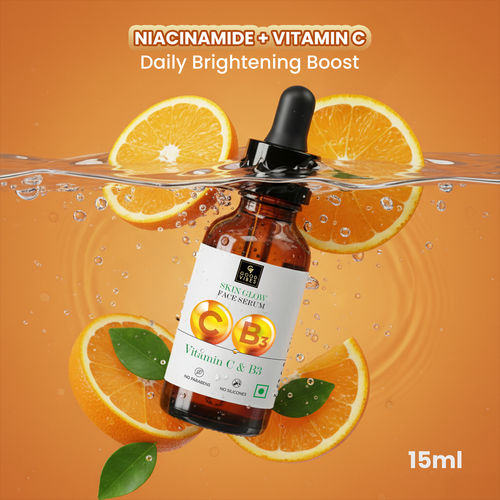
If you're after one niacinamide serum that does the most for the widest range of skin, the Good Vibes Vitamin C & B3
(Niacinamide) Skin Glow Face Serum on Purplle is the pick worth starting with — niacinamide paired with vitamin C targets
dullness and uneven tone, and the lightweight, faintly citrusy fluid sinks in fast enough to sit under sunscreen on a humid
Mumbai morning. Its 15 ml bottle does run out quickly if you're using it twice daily. For a more affordable, single-focus
option,
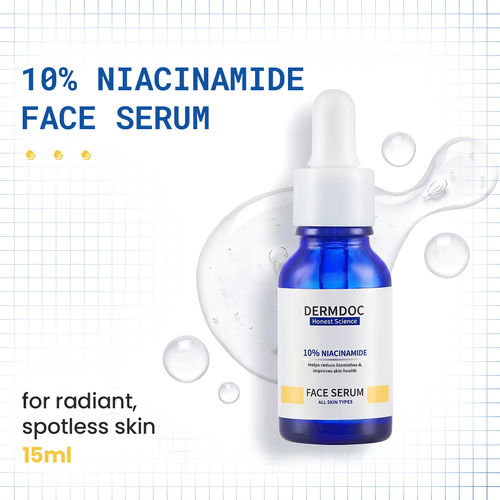
DERMDOC by Purplle 10% Niacinamide Face Serum
keeps things simple with a slightly tacky finish that settles in a minute or two, though 10% can sting skin that's new to the
ingredient. Skip niacinamide serums altogether if your barrier is currently raw from over-exfoliating — wait until the stinging
stops.
One thing worth setting expectations on: niacinamide works slowly. Research suggests it may help with barrier function, sebum
and melanin levels over weeks, not days, which for you means committing to a bottle or two before deciding whether it's doing
anything. If dark spots are the main complaint, and post-inflammatory hyperpigmentation from acne is stubbornly common on
melanin-rich Indian skin,
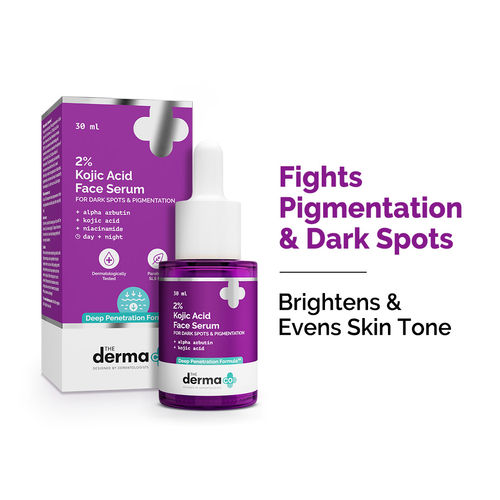
The Derma Co 2% Kojic Acid Face Serum
stacks kojic acid and alpha arbutin alongside niacinamide for a more targeted approach, in a thin, near-scentless texture. It's
a night-only serum, though, and demands daily sunscreen to hold any progress.
What Niacinamide Serum Actually Does
Niacinamide is a form of vitamin B3, and once it's in a serum, its job is mostly about the skin barrier: research suggests it
helps skin hold onto moisture better by supporting ceramide production, the fatty compounds that keep water from escaping and
irritants from getting in. That's the everyday payoff, skin that feels less reactive to heat, pollution, and the
sweat-and-sunscreen combo most Indian cities demand for half the year. It also nudges down excess oil production, so a serum with
niacinamide can leave skin looking less shiny by midday without stripping it dry. Separately, it interferes with how pigment
transfers to the skin's surface, which is why it's often reached for alongside sun protection when the goal is fading marks rather
than lightening overall tone.
Why Niacinamide Serum Matters for You
Niacinamide earns its place in most routines because it works on more than one problem at once, which matters when you're not
layering ten separate actives. It supports the skin barrier, the outer layer that keeps moisture in and pollution out, and in
cities like Delhi or Mumbai, where dust and traffic fumes sit on skin most of the day, a steadier barrier means less of that
tight, reactive feeling by evening.
It also has a role in evening out tone. Research suggests niacinamide can interrupt how pigment transfers from melanin-producing
cells to the skin's surface, which is part of why it's often reached for alongside sun protection to help fade the
post-inflammatory hyperpigmentation (PIH) that's so common in Indian skin after a breakout or a harsh peel. It won't erase old
marks on its own, but it can make them fade less stubbornly over time.
Oil control is the third piece. By helping regulate sebum output, niacinamide can take the edge off the midday shine that's
near-unavoidable through a humid Indian summer, without stripping skin the way harsher astringents do. None of this is instant,
most people need consistent use across weeks before the tone and texture shifts feel real.
How We Choose Our Products
Picking what belongs in a niacinamide guide starts with the ingredient itself: the concentration listed on the label, what it's
paired with, and whether the formula makes sense for skin that's dealing with humidity for a good chunk of the year. Serums that
sit sticky under Indian summer heat get weeded out fast, no matter how good the ingredient list reads. Verified ratings and review
counts from real Purplle shoppers matter, and so does honest price-value across budget and premium picks alike. Every option here
comes with its limitation stated plainly, because a formula that suits oily, congestion-prone skin often isn't the one for someone
with a compromised barrier. Brands compete on merit, nothing else.
Niacinamide Serum Benefits for Skin
Good Vibes' Vitamin C & B3 (Niacinamide) Skin Glow Face Serum stands out as the strongest all-round pick here, mainly because
it pairs niacinamide with vitamin C in one lightweight, orange-scented formula that sinks in fast without leaving the tacky film
some serums do on humid Mumbai mornings.
Best for: dullness with early dark spots | Format: lightweight, fast-sinking liquid serum |
Key actives: vitamin C, niacinamide (B3) | Skip if: you want a heavy, cushiony finish
Skin gets that flat, tired look after a long humid stretch, and this one works quietly against it. The serum is thin and watery,
sinking in within seconds with a faint citrus-adjacent smell that fades fast, no tackiness under sunscreen, which matters in
Mumbai heat. Research suggests niacinamide slows melanin transfer between skin cells, so it may gradually soften
post-inflammatory hyperpigmentation on brown skin tones. The small bottle empties quickly, though, and dry skin will want a
moisturiser over it.
Who should use it: Anyone with normal to oily skin dealing with uneven tone, blemish marks, or that dull
post-summer flatness.
Who should skip it: Very dry or reactive skin that stings with vitamin C, or anyone already using a strong
acid or retinoid at the same step.
Best for: Dullness, dark spots and oily-skin shine | Format: Lightweight water-gel serum |
Key actives: 10% niacinamide, hyaluronic acid, zinc | Skip if: Your skin flushes easily with
high-strength actives
Two or three drops spread across a whole face, and it sinks in without that tacky film some serums leave behind under sunscreen,
useful when Mumbai humidity already has your skin feeling coated by noon. The 10% strength is on the higher side, so skin new to
niacinamide may sting or turn blotchy for the first week; starting every alternate night helps. Research suggests niacinamide
slows melanin transfer between skin cells, which in practice means gradual fading of PIH marks over months, not days.
Who should use it: Oily and combination skin dealing with post-inflammatory hyperpigmentation from old acne,
especially if you want one serum doing both jobs.
Who should skip it: Anyone with reactive or rosacea-prone skin, or already using a prescription retinoid
nightly without a dermatologist's guidance.
Best for: Stubborn dark spots and post-acne marks | Format: Lightweight, quick-sinking watery
gel | Key actives: 2% kojic acid, 1% alpha arbutin, niacinamide | Skip if: Your skin flares at
brightening acids
Kojic acid and alpha arbutin both slow down pigment production, while niacinamide helps stop that pigment moving up into the
skin's surface layers, which matters because post-inflammatory hyperpigmentation on melanin-rich Indian skin tends to linger
long after the pimple has gone. Research suggests niacinamide works better in a slightly acidic base, and this one absorbs with
a faint tacky film that settles in a minute or two. It won't fade spots overnight, and eight to ten weeks of daily use is
realistic.
Who should use it: Anyone dealing with old acne marks, patchy tan lines from Indian summers, or uneven tone
around the mouth and jaw.
Who should skip it: Skip it if your barrier is already stinging from retinoids or exfoliating acids, or if
brightening actives have burned you before.
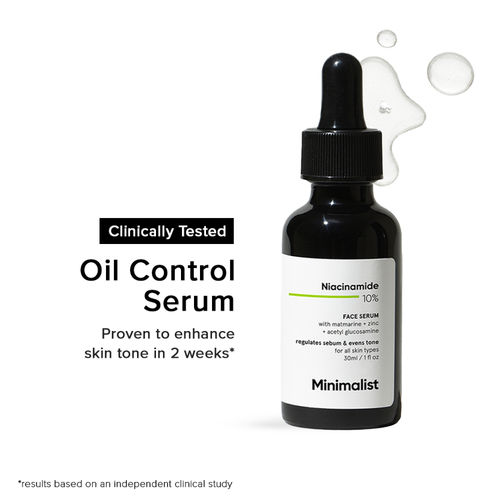
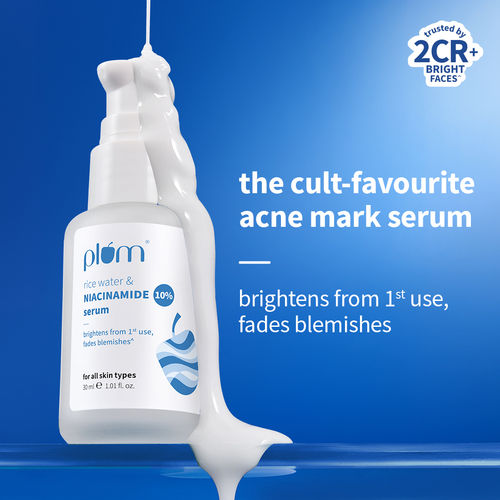
Best for: Oily, blemish-prone skin with dark marks | Format: Lightweight water-gel serum |
Key actives: 10% niacinamide, zinc PCA, Matmarine, acetyl glucosamine | Skip if: Your skin
stings easily with high-strength actives
Ten percent is a strong dose, and it behaves like one. The serum sinks in fast with a slightly slippery finish and no tackiness
underneath sunscreen, which matters through a humid Mumbai monsoon when anything heavier just slides off. Research suggests
niacinamide slows melanosome transfer between skin cells, so the post-inflammatory hyperpigmentation left behind by breakouts on
brown skin tones may fade over weeks. Sensitive skin can flush at this concentration.
Who should use it: Anyone with oily or combination skin dealing with active breakouts plus the brown marks
they leave behind.
Who should skip it: Anyone with reactive or barrier-compromised skin, who'd do better starting at a 5%
niacinamide instead.
Best for: dullness and post-acne marks | Format: thin, water-light gel serum |
Key actives: 10% niacinamide, rice ferment filtrate | Skip if: your skin stings easily with
higher-strength niacinamide
Ten percent is a fair bit of niacinamide, and research suggests niacinamide can slow the transfer of pigment into upper skin
cells, which for melanin-rich Indian skin means post-inflammatory hyperpigmentation from old breakouts may fade a shade faster
than it would on its own. It sinks in fast with no tacky film, so sunscreen goes on over it without pilling in Mumbai humidity.
The dropper is fiddly, though, and often pulls up more than one layer needs.
Who should use it: Oily or combination skin dealing with leftover acne marks and uneven tone who wants
something light enough for daily summer wear.
Who should skip it: Anyone new to niacinamide or prone to flushing, who'd do better starting at a lower
percentage and working up.
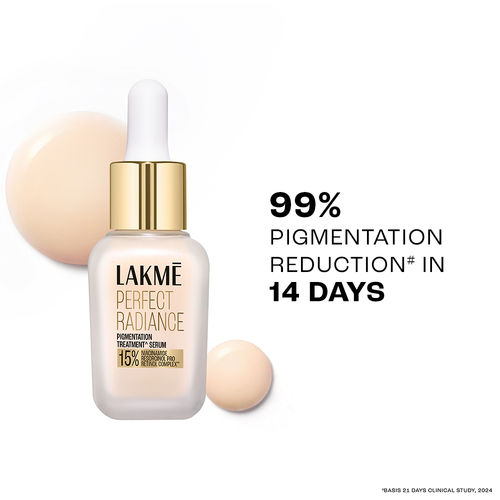
Best for: Dullness with dark spots | Format: Lightweight, fast-sinking liquid serum |
Key actives: 15% niacinamide, resorcinol, pro-retinol complex | Skip if: Your skin reacts to
strong actives
This one earns its spot on strength of formula. Niacinamide at 15% sits at the higher end, and research suggests it may help
fade hyperpigmentation by slowing pigment transfer into surface skin cells, meaning the acne marks that linger on brown skin
tones can look lighter with steady use over weeks, not days. It sinks in with a faintly slippery, watery feel and no tackiness
under sunscreen, which matters in humid Indian summers. The high percentage can sting sensitive skin at first.
Who should use it: Anyone dealing with post-inflammatory hyperpigmentation, uneven tone or visible spots who
can tolerate a potent actives blend.
Who should skip it: Skip it if your skin flushes easily, you're new to actives, or you're already using a
separate retinol at night.
Niacinamide serum calms oily, acne-prone skin, fades post-inflammatory hyperpigmentation common in India's humid summers, and
strengthens the skin barrier without feeling heavy under makeup. Most formulas here sit between 2% and 15% strength, so texture
and layering needs vary even within the same ingredient family.
Apply niacinamide serum after cleansing and toning but before heavier creams, since its watery, slightly tacky texture needs a
bare face to sink in properly.
Use three to four drops for the whole face, no more; niacinamide works at effective concentrations of around 2-10%, so piling on
extra serum just sits on the surface and pills under sunscreen.
Pat it in and wait a full sixty seconds before your next step, since it needs a moment to absorb before you layer moisturiser on
top.
Skip stacking it with direct vitamin C or high-strength acids in the same routine if your skin flushes easily, and instead
alternate them morning and night, because research suggests niacinamide is generally well-tolerated but combining actives can
still tip sensitive, melanin-rich skin into irritation and rebound pigmentation.
New users should start with alternate nights for the first two weeks and watch for tightness or flushing before moving to daily
use, since building tolerance slowly makes it easier to catch a reaction early.
Follow every morning application with sunscreen without fail, particularly through India's harsh summer sun and long monsoon
humidity, because niacinamide's melanin-regulating benefits research suggests unravel fast under unprotected UV exposure.
One habit worth dropping: leaving the bottle open on a humid bathroom shelf. Niacinamide serums oxidise and turn faintly yellow
with repeated air and moisture exposure, so cap it tightly and store it somewhere cool and dry instead.
Frequently Asked Questions
What is niacinamide and what does it do for skin?
Niacinamide is a form of vitamin B3 that supports the skin's barrier, meaning the outer layer that locks in moisture and
keeps irritants out. Research suggests it also helps regulate sebum production and interrupts the transfer of pigment to skin
cells, which in practice shows up as fewer breakouts and gradually more even-looking skin over weeks of use.
What are the proven benefits of niacinamide serum?
Studies point to three consistent effects: reduced hyperpigmentation, better oil control, and a stronger moisture barrier. For
Indian skin, which is prone to post-inflammatory hyperpigmentation (PIH) after acne or sun exposure, that pigment-fading action
is often the most noticeable change, though it takes consistent use, not overnight results.
How do you use niacinamide serum correctly in a skincare routine?
Apply it on cleansed, slightly damp skin before your moisturizer, morning or night. A serum like the Minimalist 10% Niacinamide
Face Serum works well layered under a lightweight moisturizer, especially through Mumbai's humid months when heavier creams
feel sticky. Always follow with sunscreen in the morning, since fading pigmentation stays undone without UV protection.
Can niacinamide be used with Vitamin C or retinol?
Yes, and combining it with retinol is a common pairing since niacinamide's barrier-supporting nature can ease the dryness
retinol sometimes causes. With Vitamin C, older formulations warned of instability, but most current serums, including the Good
Vibes Vitamin C & B3 Skin Glow Serum, are formulated to pair the two without issue.
Which niacinamide serum works best for acne marks specifically?
The Derma Co 2% Kojic Acid Face Serum combines niacinamide with kojic acid and alpha arbutin, three ingredients that each target
pigment production differently, making it a reasonable pick if dark spots from old breakouts are the main concern rather than
active acne.
Is a higher niacinamide percentage always better?
Not necessarily. Higher concentrations, like the 10% in the Plum Niacinamide Face Serum, can cause temporary flushing or
tingling on sensitive or reactive skin. Starting lower and building tolerance often works better than jumping straight to the
strongest option on the shelf.
Are the products sold on Purplle genuine?
Yes. Purplle runs on an inventory-led model, sourcing directly from authorised brand channels rather than allowing unverified
third-party sellers to list products, so what you order is the same formulation the brand manufactures and ships.
References
Rusic D, Ivic M, et al. Pilot Study on the Effects of a Cosmetic Serum Containing Niacinamide, Postbiotics and Peptides on
Facial Skin in Healthy Participants: A Randomized Controlled Trial. Life (Basel, Switzerland). 2024;14(12).
https://pubmed.ncbi.nlm.nih.gov/39768384/
Tempark T, Shem A, Lueangarun S. Efficacy of ceramides and niacinamide-containing moisturizer versus hydrophilic cream in
combination with topical anti-acne treatment in mild to moderate acne vulgaris: A split face, double-blinded, randomized
controlled trial. Journal of cosmetic dermatology. 2024;23(5):1758-1765.
https://pubmed.ncbi.nlm.nih.gov/38299457/
Kazandjieva J, Dimitrova J, et al. Efficacy of a retinoid complex plus anti-inflammatory component cream alone or in combination
with prebiotic food supplement in adult acne: A randomized, assessor-blinded, parallel-group, multicenter trial on 184 women.
Journal of cosmetic dermatology. 2022;21(11):5716-5722.
https://pubmed.ncbi.nlm.nih.gov/35545875/
Al-Sharnoby HA, Al-Bakary RH, et al. The Efficacy of Intense Pulsed Light Versus Topical Nicotinamide 4% in Treatment of Acne
Vulgaris. Photodermatology, photoimmunology & photomedicine. 2025;41(4):e70025.
https://pubmed.ncbi.nlm.nih.gov/40615745/
Hakozaki T, Laughlin T, et al. Synergistic effects of niacinamide and low pH on melanin synthesis, melanocyte function and
hyperpigmentation: In vitro and clinical insights. International journal of cosmetic science. 2026;48(2):445-455.
https://pubmed.ncbi.nlm.nih.gov/41319172/
Makino ET, Mehta RC, et al. Evaluation of a hydroquinone-free skin brightening product using in vitro inhibition of
melanogenesis and clinical reduction of ultraviolet-induced hyperpigmentation. Journal of drugs in dermatology : JDD.
2013;12(3):s16-20.
https://pubmed.ncbi.nlm.nih.gov/23545928/
Generally, niacinamide can be used once or twice daily after gentle cleansing during your regular skin care routine..
health.clevelandclinic.org.
https://health.clevelandclinic.org/niacinamide