PurplleBlog HomeBest Shampoo For Scalp Problems In India: Dandruff, Itching And Sensitivity Explained
Best Shampoo for Scalp Problems in India: Dandruff, Itching and Sensitivity Explained
Written by Kavya Iyer, Purplle Content Lead (MSc Cosmetic Science, 6 years product R&D, 300+ products tested)
Medically reviewed by Dr. Anjali Desai, MBBS, MD (Dermatology), Fellowship in Pediatric Dermatology
Last updated: 3 September 2026Reading time: 16 minutes
Key Takeaways
Alps Goodness Aloe Vera, Almond Oil & Climbazole delivers a creamy, gentle lather—without sulfates, though it doesn't lather as visibly as conventional shampoos.
Research shows tea tree oil inhibits up to 100% of common dandruff-causing fungi at standard formulation concentrations, addressing the scalp microbiome directly.
Purplle stocks sulfate-free, pH-balanced dandruff shampoos suited to India's varying humidity and temperature—from coastal monsoons to dry continental regions.
SLS and conventional surfactants strip natural sebum away, breaking your scalp's protective barrier; sulfate-free formulas preserve this layer and reduce irritation.
The Quick Answer
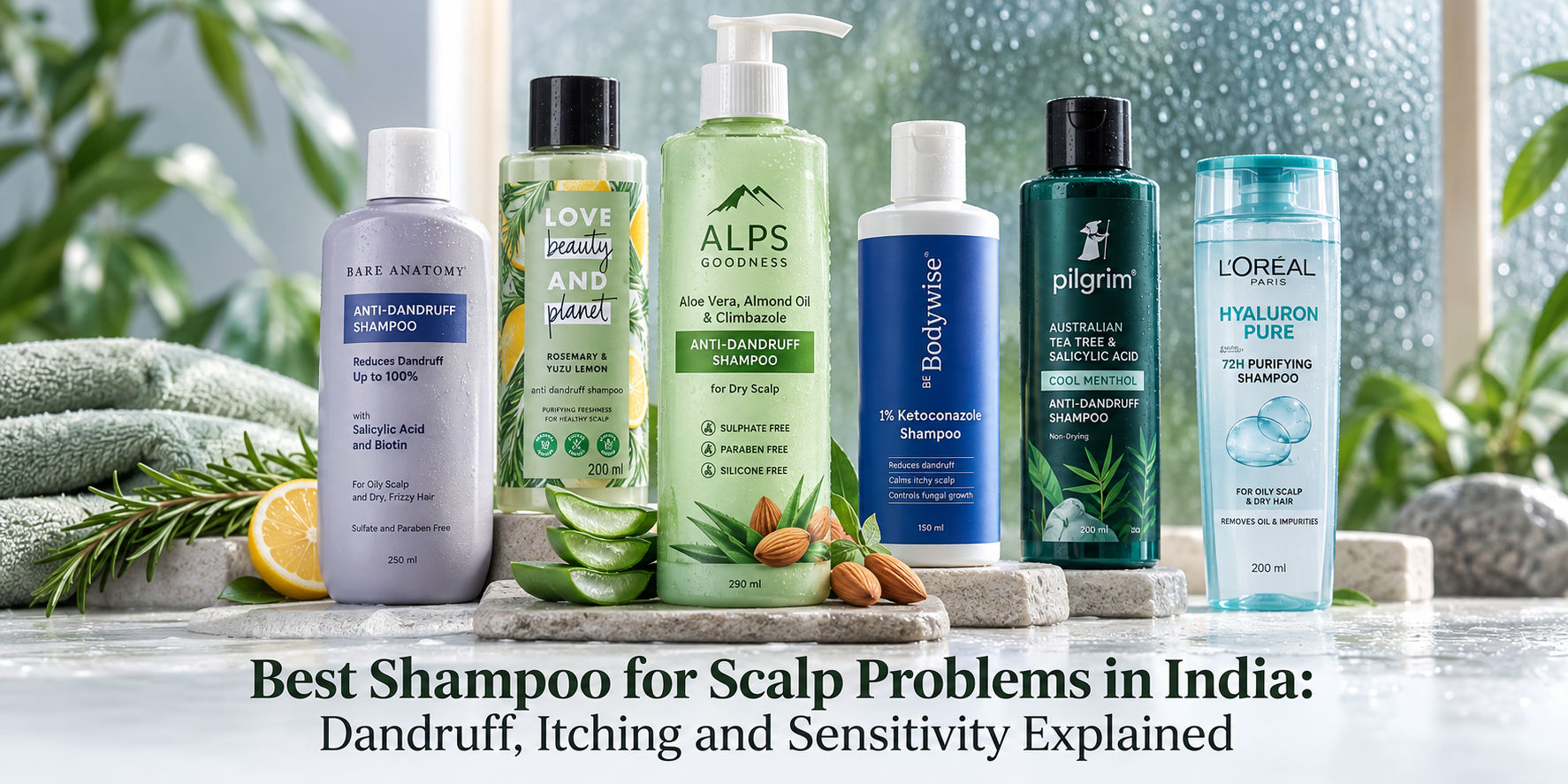
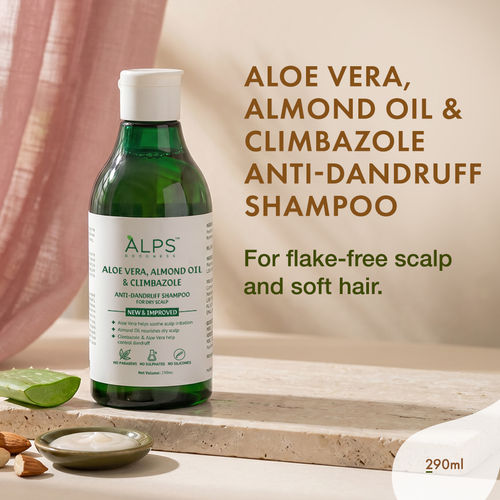
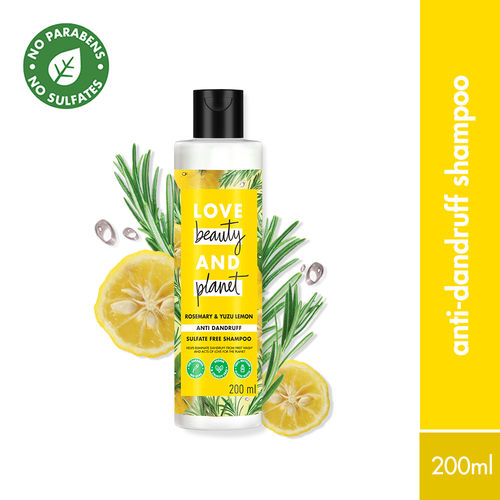
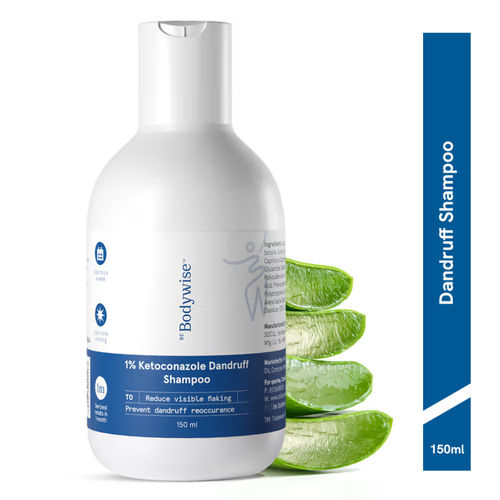
If your scalp flakes, itches or stings after every wash, the shampoo shelf on Purplle splits into three honest options. The Alps Goodness Aloe Vera, Almond Oil & Climbazole Anti-Dandruff Shampoo for Dry Scalp is the pick to start with — climbazole handles the yeast behind most flaking, while aloe and almond oil keep a dry scalp from tightening after rinse, and it's sulphate, silicone and paraben free, so it doesn't strip colour-treated or already-brittle lengths. It lathers thin and low, which takes getting used to if you're expecting foam. On a smaller budget, the Love Beauty And Planet Rosemary & Yuzu Lemon Anti Dandruff Shampoo covers itch and flaking with a bright citrus-herb scent that lingers, though that fragrance is too loud for genuinely reactive scalps. Skip both and go to the Be Bodywise 1% Ketoconazole Shampoo if your flaking is thick, greasy and recurring, it's a treatment wash, used twice weekly, not your daily bottle.
During a humid Mumbai or Kolkata monsoon, sweat and trapped moisture under the hair feed the same scalp yeast, so flaking that vanished in winter often returns by July. Research suggests common anti-dandruff actives can leave the scalp drier or oilier than before, which is why the wash you pair with your treatment shampoo matters as much as the treatment itself.
What Shampoo Actually Does
Shampoo works by pairing surfactants that lift oil and grime off the scalp with active ingredients that address the underlying problem, not just the residue. For dandruff and itching, that usually means an anti-fungal or anti-inflammatory agent, since research suggests dandruff is often tied to fungal overgrowth on the scalp rather than dryness alone. That's a useful distinction if you've been treating flakes as a moisture issue and getting nowhere. For sensitive scalps, the formula's job shifts toward avoiding known irritants, since haircare products are among the more common triggers of scalp contact dermatitis. In India's humid stretches, sweat and oil buildup can worsen both flaking and itching between washes, which is part of why picking the right base formula matters as much as the actives in it.
Why Shampoo Matters for You
Dandruff isn't just flaking, it's an inflammatory response, and the wrong shampoo can quietly make it worse. Research suggests common surfactants like SLS strip the scalp's natural lipid layer and disturb its resident microbes, the same bacteria and yeast balance that keeps flaking and itch in check. For anyone spending humid Mumbai monsoons or sweaty Delhi summers under a dupatta or helmet, that barrier disruption shows up fast, as tightness, oiliness rebound, or flakes that return within days of washing.
The right shampoo works on three fronts. First, it targets Malassezia, the yeast most linked to dandruff and seborrheic scalp buildup, without nuking every microbe on the scalp. Second, it avoids known contact-irritants, since haircare is one of the more common sources of scalp allergic reactions, particularly from formaldehyde-releasing preservatives and certain fragrance compounds. Third, it respects barrier integrity, so the scalp can actually repair itself between washes instead of staying in a constant cycle of stripping and rebound oiliness.
None of this is about a single "cure" wash. It's about picking a formula that treats the scalp as skin, not just a surface to clean, especially in a climate that already puts sweat, humidity, and hard water through daily testing.
How We Choose Our Products
Scalp problems don't behave the same way in every Indian city, so the picks here had to hold up across humid coastal summers, dusty dry winters and the sweat-plus-helmet routine a lot of people live with daily. Ingredient fit came first: actives with real evidence behind them for flaking, itch and irritation, at concentrations that make sense for regular washing rather than occasional rescue use. After that came verified ratings and review counts from people who've actually used them, then honest price-value across affordable and mid-range options. This is a market-wide look, not a Purplle-house-brand roundup. Competitor and third-party brands earn a spot here on merit, judged on the same terms as everything else.
Best Shampoo for Scalp Problems in India: Dandruff, Itching and Sensitivity Explained
For scalp irritation that flares with dandruff and itching, the Alps Goodness Aloe Vera, Almond Oil & Climbazole Anti-Dandruff Shampoo for Dry Scalp stands out for pairing an antifungal with a sulphate-free, gentle-cleansing base, which keeps a sensitised scalp from getting stripped further while it works.
Best for: dandruff on a dry, tight scalp | Format: clear gel shampoo, low lather | Key actives: climbazole, aloe vera, almond oil | Skip if: you want a heavy, foam-rich wash
Climbazole does the anti-fungal work here, which matters because dandruff is driven by yeast rather than poor hygiene, so this targets the cause instead of just clearing flakes. The aloe and almond oil keep the wash from stripping, useful in North Indian winters when a dry scalp flakes without ever getting oily. It smells faintly herbal and rinses clean without squeak. The lather stays thin, though, and long or thickly oiled hair usually needs a second wash.
Who should use it: Anyone dealing with flaking on a scalp that already feels dry, tight or itchy after washing.
Who should skip it: Anyone with a very oily scalp who wants heavy oil-cutting in one wash, or who reacts to fragranced haircare.
Best for: Flaky, itchy dandruff with dry ends | Format: Lightweight gel-cream lather | Key actives: Rosemary oil, yuzu lemon extract, coconut oil | Skip if: You need a medicated antifungal for stubborn seborrheic dermatitis
Rosemary and citrus hit you the moment the bottle opens, and the scent lingers faintly through the day rather than shouting. Lather stays thin and rinses clean, which matters in Indian summers when you're washing three or four times a week and heavier formulas leave scalps feeling coated. Flakes ease over a few weeks, not overnight. The catch: this is a gentle cosmetic wash, so persistent, angry flaking may need something stronger from a dermatologist.
Who should use it: Anyone with mild to moderate flaking who wants a gentler, sulphate-free wash they can use often without stripping the lengths.
Who should skip it: People with diagnosed seborrheic dermatitis or thick, crusted scale that hasn't responded to over-the-counter shampoos before.
Best for: Flake-heavy, itchy scalps | Format: Thin, low-lather liquid | Key actives: 1% Ketoconazole | Skip if: Your scalp is only dry, not flaky
Ketoconazole targets the yeast behind most dandruff, which in practice means fewer flakes on your shoulders within a couple of wash cycles rather than a temporary rinse-away fix. The lather stays modest and the scent is faintly medicinal, closer to a pharmacy product than a beauty one. Left on for the recommended few minutes, it can leave lengths feeling stripped, so conditioner mid-shaft down is worth keeping handy, especially through humid Mumbai months when scalps flare but hair still frizzes.
Who should use it: Anyone dealing with persistent white flakes and an itch that returns days after washing.
Who should skip it: People with a sensitive scalp prone to contact irritation, since research suggests haircare products are a common source of scalp reactions.
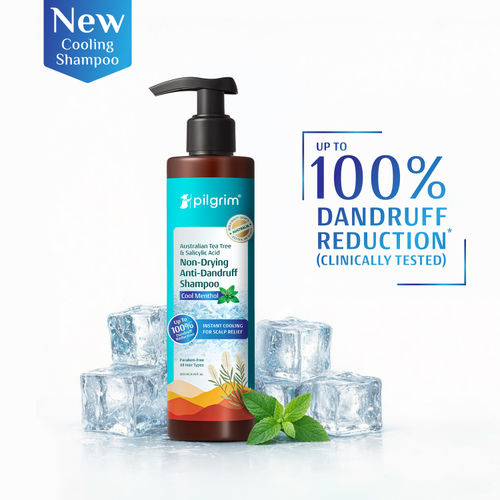
Best for: Flaky, itchy dandruff that needs relief without stripping | Format: Clear gel shampoo with a cooling menthol finish | Key actives: Australian tea tree oil, salicylic acid, menthol | Skip if: Your scalp reacts badly to strong cooling or fragrance
Salicylic acid loosens the flakes already sitting on your scalp while tea tree oil works on the yeast behind them, research suggests tea tree oil inhibits the fungus linked to dandruff, which in practice means fewer flakes returning between washes. The menthol tingle is unmistakable, and genuinely welcome through a Mumbai August when your scalp's been sweating under humidity all day. That same cooling sting is the catch: on a scalp already raw from scratching, it can burn for the first minute.
Who should use it: Someone dealing with visible flaking and itch who's tired of anti-dandruff shampoos leaving their lengths straw-dry.
Who should skip it: Anyone with broken, actively inflamed scalp skin or a known sensitivity to tea tree oil, who'd do better starting with a fragrance-free gentle wash.
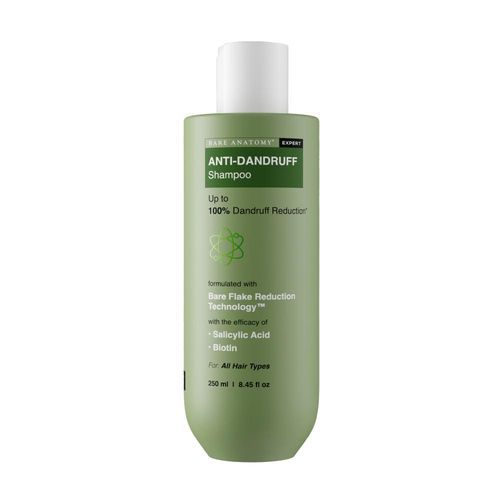
Best for: Oily, flaky scalps that need weekly control | Format: Clear gel lather, sulphate-free | Key actives: Salicylic acid, biotin | Skip if: Your scalp is dry and tight after every wash
Salicylic acid does the practical work here, loosening the flakes already stuck to the scalp so they rinse away instead of resettling on your shoulders by evening. The lather is thin and low-foam, which throws people off at first since sulphate-free formulas don't billow the way older shampoos do. It takes a second pump to cover long hair properly, and that's a real cost per wash. Through humid Mumbai monsoon weeks, when scalps stay damp and itchy, the fortnightly rhythm suits better than daily use.
Who should use it: Anyone dealing with visible flaking and an oily scalp that gets greasy again within a day or two.
Who should skip it: People with an already dry, sensitised scalp or active irritation, since salicylic acid can push dryness further.
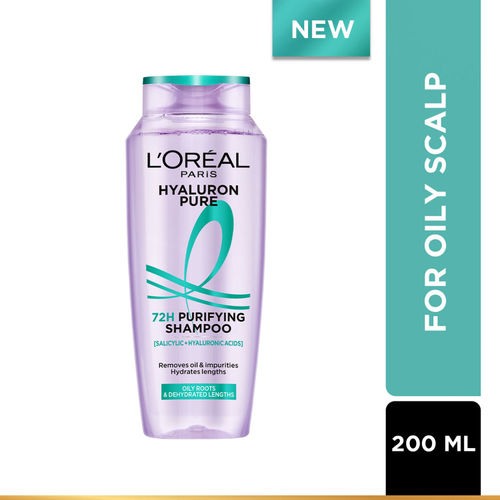
Best for: Oily roots with dry mid-lengths | Format: Clear gel shampoo | Key actives: Hyaluronic acid, salicylic acid | Skip if: Your scalp is flaking heavily from dandruff
Most oily-scalp shampoos strip everything, then leave lengths straw-like by day two. This one lathers thin and rinses fast, with a light clean scent that fades within an hour. Roots stay comfortable through Mumbai humidity without the tight, squeaky feel that sends oil glands into overdrive. It's a purifying wash, not a treatment, there's no zinc pyrithione or ketoconazole here, so genuine dandruff or a fungal-driven itch needs something medicated alongside it.
Who should use it: Anyone whose scalp turns greasy by the second day while the ends stay parched, especially through humid coastal summers.
Who should skip it: Skip it if visible flakes, crusting or persistent itching point to seborrheic dermatitis rather than plain oiliness.
Scalp trouble in India rarely has one cause, humidity-driven oiliness, hard water, and over-washing all show up as the same flaky, itchy scalp, so the right shampoo depends on what's actually triggering it. The picks below span dandruff, dryness and oily-scalp irritation rather than a single fix-all formula. Across the market, most scalp-specific shampoos lean on either an antifungal (like ketoconazole or zinc pyrithione) or an exfoliant (salicylic acid) to manage flaking, so knowing which one your scalp actually needs matters more than the brand on the bottle.
Wash your scalp with shampoo before anything else touches your hair, since it's the only step designed to lift built-up oil, sweat and flakes rather than seal moisture in. Pour out about a coin-sized amount for shoulder-length hair, then work it into a lather on the scalp rather than the lengths, because dandruff and itching start at the root, not the strands. Let the lather sit on your scalp for two to three minutes before rinsing, giving anti-fungal or keratolytic ingredients enough contact time to actually work rather than washing off before they've done anything. Follow with a conditioner applied only from mid-length to ends, keeping it off the scalp, since conditioning agents left near the roots can trap oil and worsen flaking. If you're new to a medicated or anti-dandruff shampoo, use it two to three times a week for the first month, then drop to once or twice weekly once flaking calms down, as daily use of stronger actives can dry out the scalp. In humid Indian summers or after a monsoon commute, rinse hair sooner rather than letting sweat and product sit overnight, since a damp scalp under humidity is exactly where Malassezia yeast thrives. Keep the cap tightly shut and store the bottle away from direct bathroom heat, since active ingredients degrade faster once the formula's exposed to warm, humid air repeatedly.
Frequently Asked Questions
Are the products sold on Purplle genuine?
Yes. Purplle runs an inventory-led model, not an open marketplace, so scalp-care shampoos are sourced directly from brands or authorised distributors before listing. That's different from third-party marketplaces where seller identity varies by listing. If you're treating a stubborn dandruff or sensitivity issue, genuine formulations matter because diluted or mislabeled versions can worsen irritation instead of calming it.
What's the best shampoo for a dry, itchy, sensitive scalp?
Look for a sulfate-free wash built around mild surfactants and soothing agents rather than harsh detergents. The Alps Goodness Aloe Vera, Almond Oil & Climbazole shampoo fits this brief for dry, reactive scalps, it pairs an anti-dandruff agent with aloe and almond oil so cleansing doesn't strip the scalp's oil barrier further.
What causes dandruff and itching to flare up in India's climate?
Humidity and pollution disturb the scalp's natural pH and microbial balance, letting Malassezia yeast multiply faster than usual. Combine that with excess sebum from heat and sweat, and flaking plus itching follow. Monsoon and peak summer months in most Indian cities tend to be when scalp complaints spike hardest.
How do I know if my scalp is dry, oily, or sensitive?
Flaking without greasy roots usually points to a dry scalp, while hair turning oily within a day of washing suggests excess sebum. Redness, stinging, or a burning sensation after trying a new product signals sensitivity. Tracking these patterns over two or three washes gives a clearer read than judging from one bad hair day.
Are Ayurvedic ingredients like neem or tea tree actually effective against dandruff?
Research suggests neem and tea tree oil carry antifungal activity against Malassezia comparable to some synthetic actives in lab settings, meaning they can genuinely calm mild to moderate flaking. For a stubborn or inflamed scalp, though, clinical actives like ketoconazole or salicylic acid tend to work faster and more predictably.
Which shampoo is better suited to an oily scalp with flaking and dandruff?
Be Bodywise's 1% Ketoconazole shampoo targets the fungal overgrowth behind dandruff directly, which suits an oily, flake-prone scalp better than a purely moisturising formula would. If dryness at the lengths is also a concern, L'Oreal Paris Hyaluron Pure pairs salicylic acid for the scalp with hyaluronic acid for the hair.
Is it safe to use an anti-dandruff shampoo every day?
Not usually. Most anti-dandruff actives, including ketoconazole and salicylic acid, are formulated for two to three uses a week rather than daily washing, since overuse can dry out the scalp and undo the barrier support these shampoos are meant to provide. Check the specific product's directions rather than assuming one routine fits all.
References
Kumari KMU, Yadav NP, Luqman S. Promising Essential Oils/Plant Extracts in the Prevention and Treatment of Dandruff Pathogenesis. Current topics in medicinal chemistry. 2022;22(13):1104-1133. https://pubmed.ncbi.nlm.nih.gov/35642120/