PurplleBlog HomeAcne Breakouts After Starting A New Product: Purging Vs Reaction, Explained
Acne Breakouts After Starting a New Product: Purging vs Reaction, Explained
Written by Kavya Iyer, Purplle Content Lead (MSc Cosmetic Science, 6 years product R&D, 300+ products tested)
Medically reviewed by Dr. Priya Sharma, MBBS, MD (Dermatology)
Last updated: 9 September 2026Reading time: 16 minutes
Key Takeaways
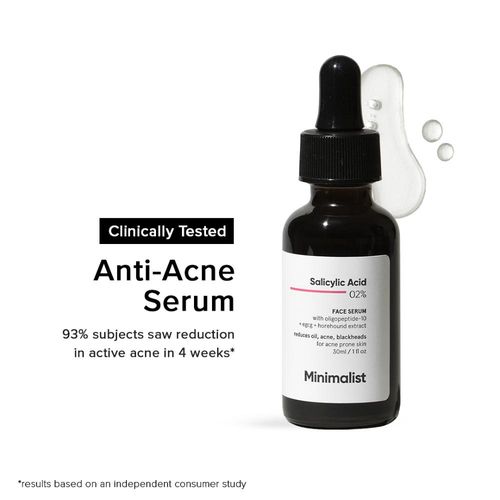
Minimalist 2% Salicylic Acid Face Serum has a lightweight, quick-absorbing texture, but start with twice weekly to avoid overuse irritation in sensitive skin.
The 28-day skin cell cycle means purges should complete within a few weeks; if you're seeing persistent dryness or stinging, it's not a purge.
You can find targeted treatments like salicylic acid and niacinamide on Purplle to match your skin type and budget.
Purging shows up as whiteheads and blackheads (comedones), whereas reactions often appear as red bumps, stinging, or dry patches—different problems need different solutions.
The Quick Answer
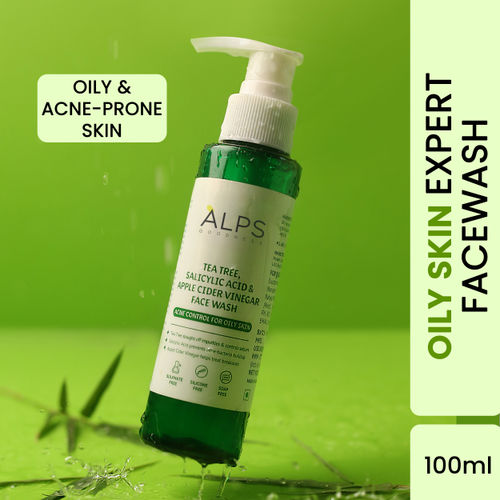
If your skin breaks out a few days after starting a new product, the fastest way to tell purging from a reaction is where and when it shows up. On Purplle, the pick that handles genuine purging best is the Alps Goodness Acne Control Face wash For Oily Skin with Tea Tree, Salicylic Acid & Apple Cider Vinegar — salicylic acid clears the clogged pores that are already surfacing, so the purge phase moves through faster instead of dragging on. It foams thin and smells sharply herbal from the tea tree, and it can feel tight on dry or dehydrated skin, so follow it with a moisturiser. If you want a leave-on option, the Minimalist 2% Salicylic Acid Face Serum does similar work overnight, though its faint sulphur-like scent puts some people off. Skip both if your breakout came with itching, stinging or spreading redness in areas you never usually break out — that's irritation, not purging, and more actives will make it worse.
Timing matters more in Indian summers, when heat and humidity already push oil production up and it's easy to blame a new serum for what the weather started. Purging typically settles within four to six weeks; anything still worsening past that deserves a dermatologist's look, especially on melanin-rich skin, where every inflamed spot risks leaving post-inflammatory hyperpigmentation (PIH) that outlasts the pimple by months.
What Acne Breakouts After Starting a New Actually Does
What breakouts after a new product actually do is separate two different skin responses that get lumped together. When you introduce an active that speeds up cell turnover, skin cells that were sitting deep in the pore come to the surface faster than usual, so congestion that was always going to surface does, just sooner and all at once. That's purging, and research suggests it settles within a few weeks as turnover normalises. A reaction is different: it's the skin flagging that an ingredient doesn't suit it, whether from irritation or a pore-clogging formula, and it won't resolve with time the way purging does. Mumbai's humidity and pollution load already push oil and congestion year-round, so a new active landing on already-busy pores makes this distinction harder to read by eye alone, texture and pattern matter more than the breakout itself.
Why Acne Breakouts After Starting a New Matters for You
Post-inflammatory hyperpigmentation (PIH) common in Indian skin makes the purging-versus-reaction call harder, because melanin-rich skin marks easily once a breakout turns inflamed, so knowing which one you're dealing with decides whether you ride it out or stop immediately.
Purging shows up because retinoids and similar actives speed up cell turnover, pushing the gunk and dead cells already sitting under your skin to the surface faster than usual. That's temporary traffic, not new damage, and research suggests it settles within four to six weeks if the active actually suits your skin. Knowing this saves you from quitting a good active three weeks in, right before it was about to work.
A true reaction looks and behaves differently: think tiny red, itchy bumps, stinging, or dry patches rather than the whiteheads and blackheads typical of purging. Humid stretches of the year push oil and sweat production up across most of India, and that combination can mask irritation as "just more breakouts," making the distinction easy to miss if you're not watching texture and feel, not just count.
The consequence line is simple: purging means continue if tolerated; a reaction means stop and reassess before it leaves marks that take months to fade on brown skin tones.
How We Choose Our Products
When this guide points to a product, the pick has to earn it. We start with the ingredient list and its strength, because purging and irritation are ingredient-driven, not brand-driven. Any brand Purplle carries can make the list, judged on the same terms. Verified ratings and review counts matter, though we read the low-star reviews most closely, since that's where stinging, peeling and sudden breakouts actually get described. Price against what you get counts too. And a formula has to hold up in Indian conditions: humid stretches, constant sweat, and melanin-rich skin where a bad reaction can leave post-inflammatory hyperpigmentation long after the bump itself has settled. Each pick gets one honest limitation named alongside what it does well.
Acne Breakouts After Starting a New Product: Purging vs Reaction, Explained
Alps Goodness Acne Control Face wash with Tea Tree, Salicylic Acid & Apple Cider Vinegar earns the top spot here because it pairs a proven acne-fighting acid with a texture that rinses clean without leaving oily skin feeling stripped or tight.
Best for: Oily, breakout-prone skin adjusting to a new active | Format: Gel face wash | Key actives: Tea tree, salicylic acid, apple cider vinegar | Skip if: Your skin already feels tight, stinging or flaky
A gentle cleanser matters most in that confusing first month, when you're still working out whether your skin is purging or reacting. This one foams up thin and light, with a faint medicinal tea tree smell that fades fast after rinsing. Salicylic acid may help keep pores clear while your skin adjusts. The catch: on Delhi or Bangalore winter mornings, oily skin can still feel a little stripped afterwards, so follow with moisturiser rather than skipping it.
Who should use it: Oily and combination skin dealing with whiteheads and blackheads that improve week on week, the pattern research suggests points to purging rather than irritation.
Who should skip it: Anyone with red, itchy, swollen bumps or dry patches, since that points to irritation and calls for a pause and a doctor's opinion instead of another active.
Best for: Sorting out clogged-pore breakouts | Format: Lightweight watery serum | Key actives: 2% salicylic acid, zinc PCA, oat extract | Skip if: Your bumps are red, itchy and swollen
Salicylic acid gets inside the pore lining and loosens the plug, which is exactly why it can push congestion to the surface in the first two or three weeks before things settle. The texture is thin and almost water-like, sinking in with no tacky film underneath sunscreen, genuinely useful in Mumbai humidity when anything heavier just sits there. It can read drying on already-flaky skin, so buffer it with moisturiser and don't stack it with other acids.
Who should use it: Anyone with oily or combination skin dealing with blackheads, whiteheads and the odd deep bump who wants to work through a short adjustment phase.
Who should skip it: Anyone whose new-product reaction shows up as stinging, itching or raised red patches, since that points to irritation rather than purging and needs a break, not another active.
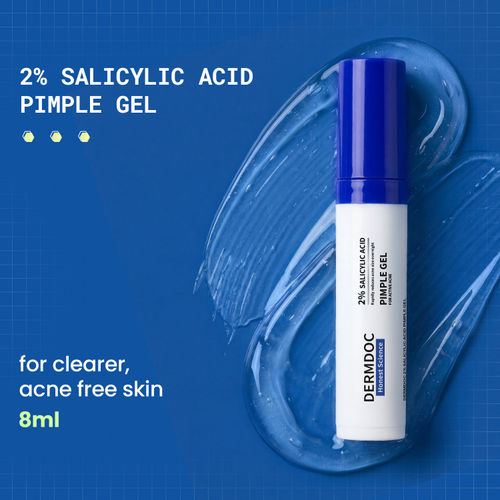
Best for: Spot-treating individual inflamed pimples | Format: Lightweight clear gel | Key actives: 2% salicylic acid | Skip if: Your bumps are itchy, stinging or swollen
Salicylic acid works inside the pore, loosening the dead cells and oil that clog it, which is exactly why a few extra whiteheads can surface in the first weeks before things settle. The gel sinks in fast with a faintly tacky finish, so it sits under moisturiser without pilling. The 5 ml tube is small, though, and in humid Mumbai summers when you're dotting it on daily, it runs out quicker than you'd expect.
Who should use it: Anyone with oily or combination skin dealing with occasional clogged pores and the odd inflamed spot, who wants a targeted treatment rather than an all-over active.
Who should skip it: Anyone whose new-product breakout came with redness, itching or dry patches, since that points to irritation and adding another active will likely make it worse.
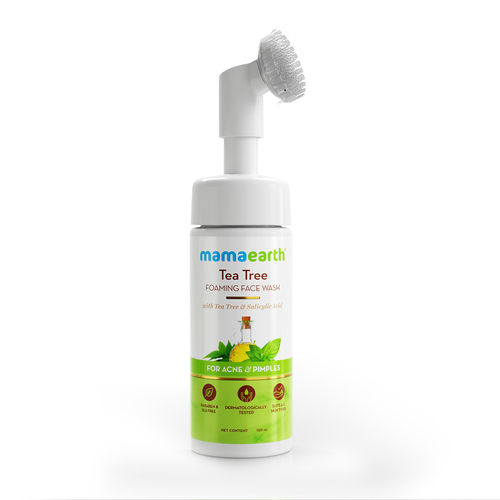
Best for: Oily, breakout-prone skin adjusting to a new active | Format: Lightweight foam from a pump | Key actives: Tea tree oil, salicylic acid | Skip if: Your skin already feels tight, stinging or flaky
The foam pumps out soft and airy, so you're not tugging at skin that's already reactive, and it rinses clean without that squeaky pull Mumbai humidity makes you crave but your barrier doesn't need. Salicylic acid works inside the pore, which is useful when you're sorting a genuine purge from irritation, a gentler cleanser means fewer variables. The tea tree scent is sharp and medicinal, and some people find it lingers longer than they'd like.
Who should use it: Oily or combination skin that's mid-adjustment to a retinoid or acid and wants a cleanser that won't add more irritation to the picture.
Who should skip it: Anyone with dry, sensitised skin, visible flaking, or a known sensitivity to essential oils like tea tree.
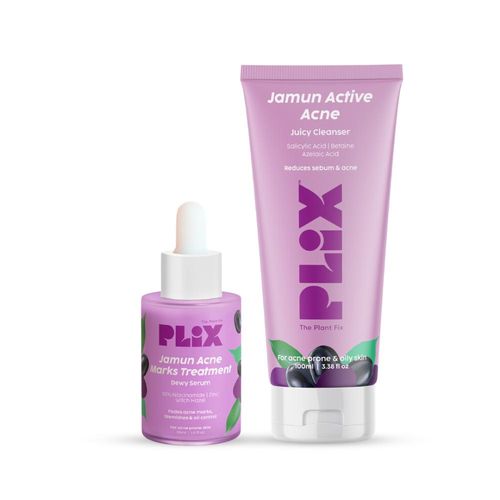
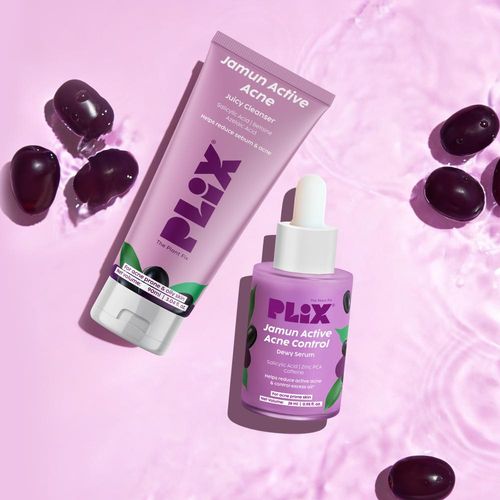
Best for: Sorting out post-breakout marks while keeping oil in check | Format: Gel face wash plus lightweight serum | Key actives: Jamun extract, salicylic acid, niacinamide | Skip if: Your skin's already red, stinging or peeling from a new active
Starting a second active while your skin's still reacting is a bad idea, so this combo works best once things have calmed. The face wash lathers thin and rinses clean without that squeaky tightness Mumbai humidity usually punishes, and the serum sinks in fast enough to layer sunscreen over. Marks fade slowly here, think weeks, not days, and the wash can feel drying if you're already using a retinoid at night. Patch test the serum first.
Who should use it: Oily or combination skin dealing with post-inflammatory hyperpigmentation left behind after breakouts have healed.
Who should skip it: Anyone mid-irritation with red bumps, itching or dry patches, who needs to strip back rather than add on.
Best for: Beginners easing into salicylic acid without stacking too many actives | Format: Gel cleanser plus lightweight serum | Key actives: 2% salicylic acid, jamun extract | Skip if: Your skin is already dry, stinging, or peeling
Pairing a cleanser with a serum makes sense here because you're introducing one active, not four, which keeps it easier to tell a genuine purge from irritation later. The cleanser foams up thin and rinses without that squeaky tightness, and the serum sinks in fast enough to layer sunscreen over it during humid Mumbai mornings. The honest catch: 2% salicylic acid used twice daily is a lot for most people starting out, so build up slowly rather than going all in.
Who should use it: Oily and acne-prone skin looking to start with one clearly-labelled active and watch how it responds over four to six weeks.
Who should skip it: Anyone with dry, sensitised, or compromised skin, or who's already using a retinoid and doesn't need a second exfoliating layer.
Purging usually clears up within two to six weeks and shows up where you'd already expect breakouts; a reaction can appear anywhere on the face, often with itching or burning, and won't improve on its own. If new bumps show up along with tightness, stinging, or redness that spreads, that's your skin flagging a reaction, not a purge.
Beginners easing into salicylic acid without stacking too many actives
Your skin is already dry, stinging, or peeling
How to Use Acne Breakouts After Starting a New
Introduce one new active at a time and give it a fair runway before adding anything else. If you stack a retinoid, a new acid, and a fresh moisturiser in the same week, you won't know which one your skin is reacting to.
Start with a pea-sized amount for actives like retinol or adapalene, applied to dry skin at night. Overloading the skin barrier from day one makes irritation more likely and doesn't speed up results.
Wait a full 20-30 minutes before layering sunscreen or another active on top the next morning. Rushing this gives ingredients less time to settle and raises the odds of pilling or stinging.
Skip pairing new actives with strong exfoliants or vitamin C in the same routine for the first couple of weeks. Two aggressive ingredients working on compromised skin at once make it harder to tell purging from a true reaction.
Use new actives every third night for the first two weeks if you're a first-time user, then build up frequency once your skin tolerates it. Established users can typically return to nightly use faster since their skin barrier has already adjusted.
Store retinoids and vitamin C away from direct sunlight and humidity, especially through India's monsoon and peak summer months. Heat and moisture speed up oxidation, which weakens the formula before it even reaches your skin.
One habit worth building: photograph your skin under the same light every few days. It's the easiest way to tell whether new bumps are actually calming down over time or getting worse.
Frequently Asked Questions
Is skin purging different from a regular acne breakout?
Yes. Purging is your skin's reaction to actives like salicylic acid that speed up cell turnover, pushing existing clogs to the surface faster. A breakout from irritation or a comedogenic ingredient doesn't follow that pattern and won't clear on its own timeline.
How long does purging usually last?
Most purging settles within four to six weeks as skin adjusts to a new active. If bumps are still showing up past six weeks, or new spots keep appearing in areas you weren't breaking out before, that's likely irritation rather than a purge.
How do I tell purging apart from irritation?
Purging looks like whiteheads and blackheads in your usual breakout spots and fades with continued use. Irritation shows up as red, itchy bumps, sometimes with stinging or dry patches, in new areas, and it doesn't improve the longer you stick with the product.
Which ingredients typically cause purging?
Salicylic acid, like in the Minimalist 2% Salicylic Acid Face Serum, along with retinoids and other exfoliating acids, are the usual triggers. They work by clearing pores faster than skin naturally would, so a temporary flare while things surface is expected.
I have active pimples right now, should I use a spot gel or switch my face wash first?
Start with your cleanser, since a rinse-off product like the Mamaearth Tea Tree Foaming Face Wash is gentler while your skin is adjusting. Reserve a leave-on spot treatment such as the DERMDOC 2% Salicylic Acid Pimple Gel for individual active pimples once you've confirmed you're not reacting.
Is my skin purging or am I actually allergic to the product?
An allergic reaction tends to bring swelling, itching, or hives, not just bumps. Purging stays limited to acne-type breakouts, pimples, whiteheads, blackheads, without that swollen or itchy quality, and it improves with continued, consistent use.
Are the products sold on Purplle genuine?
Yes. Purplle runs on an inventory-led model, sourcing directly from brands and authorised distributors rather than allowing unverified third-party sellers to list products, so what reaches you matches what the brand manufactures.
References
European Society of Contact Dermatitis Guideline for Diagnostic Patch Testing—Recommendations on Best Practice (Update 2026). pmc.ncbi.nlm.nih.gov. https://pmc.ncbi.nlm.nih.gov/articles/PMC13441402