PurplleBlog HomeWhat Not To Mix With Retinol, Vitamin C Or Ahas: An Ingredient Layering Safety Guide
What Not to Mix With Retinol, Vitamin C or AHAs: An Ingredient Layering Safety Guide
Written by Kavya Iyer, Purplle Content Lead (MSc Cosmetic Science, 6 years product R&D, 300+ products tested)
Medically reviewed by Dr. Rohit Menon, MBBS, MD (Dermatology), DDVL
Last updated: 9 September 2026Reading time: 15 minutes
Key Takeaways
Good Vibes Vitamin C Moisturiser feels lightweight and hydrating, but vitamin C's stability drops when exposed to air—keep it sealed to preserve its brightening power.
SPF 30 blocks 97% of UVB rays; no sunscreen blocks 100%, so reapply every two hours when you're using vitamin C, retinol, or AHAs.
Vitamin C, vitamin E, and ferulic acid together strengthen skin's defence against UV damage and photoaging—Purplle carries select formulas combining these three stabilised actives.
Ascorbyl Glucoside is vitamin C stabilised with a glucose bond, cleaved by skin enzymes to release active vitamin C gradually—gentler than pure L-ascorbic acid.
The Quick Answer
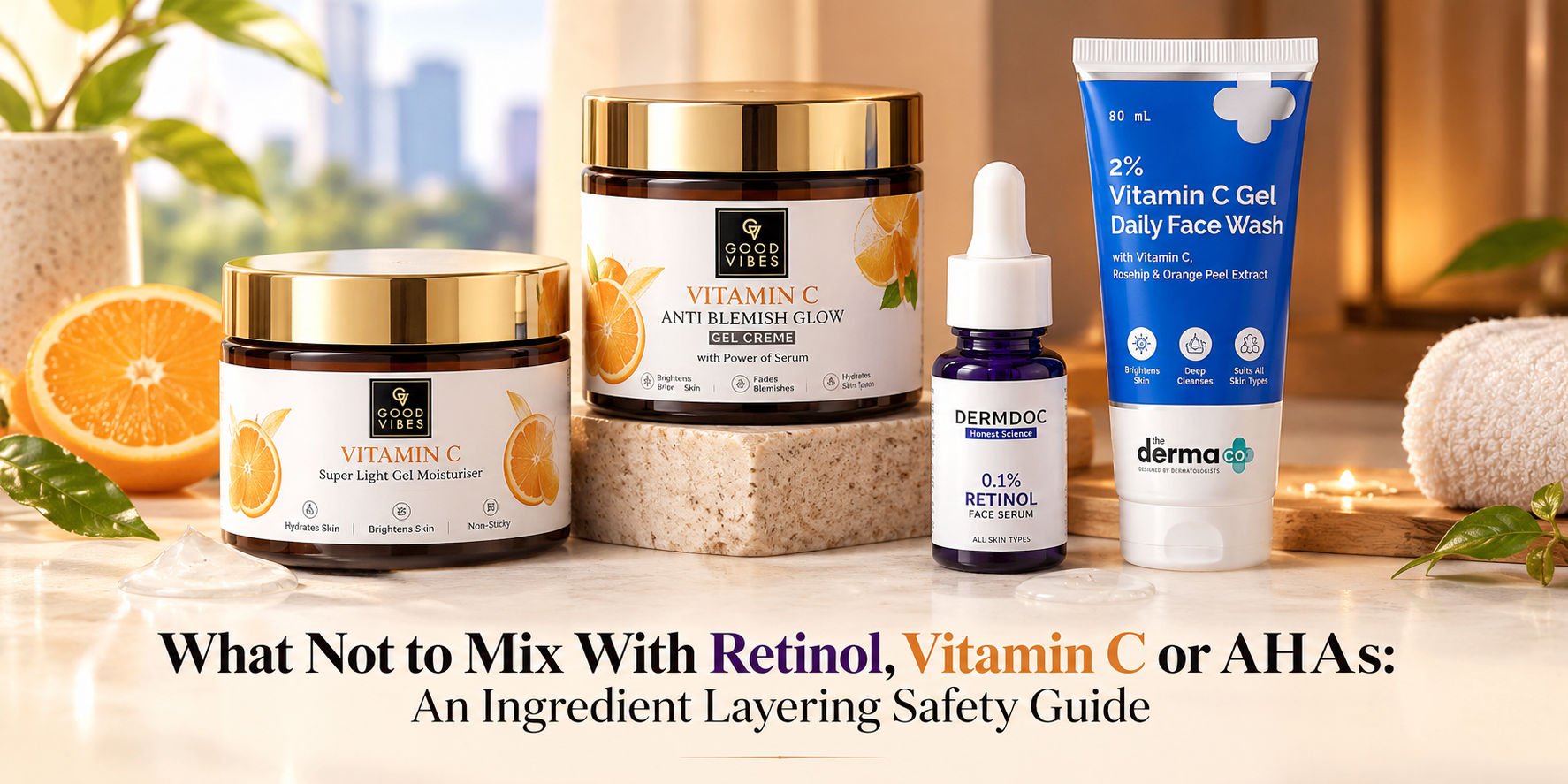
Don't stack retinol, vitamin C and AHAs in one sitting, run one active per session and give the others separate nights. On Purplle, the layering-friendly pick is Good Vibes Anti Blemish Glow Gel Creme Vitamin C, a gel-cream that sinks in fast with a faint citrus note, though it's a daytime product and won't resurface rough texture the way an acid does. A budget-friendlier vitamin C route is the Good Vibes Vitamin C Super Light Gel Moisturiser, which sits under sunscreen without pilling, though the 200 gm tub is clumsy to travel with. Skip DERMDOC 0.1% Retinol Face Serum, a thin, near-odourless fluid that can sting compromised skin, on any night you've already used an AHA.
Sunscreen carries more of this than layering does. Research suggests SPF 30 blocks roughly 97% of UVB, so the fading you're working toward actually holds instead of resetting each afternoon. In Indian humidity, that's also why gel textures outlast heavy creams.
What What Not to Mix With Retinol, Vitamin C or AHAs Actually Does
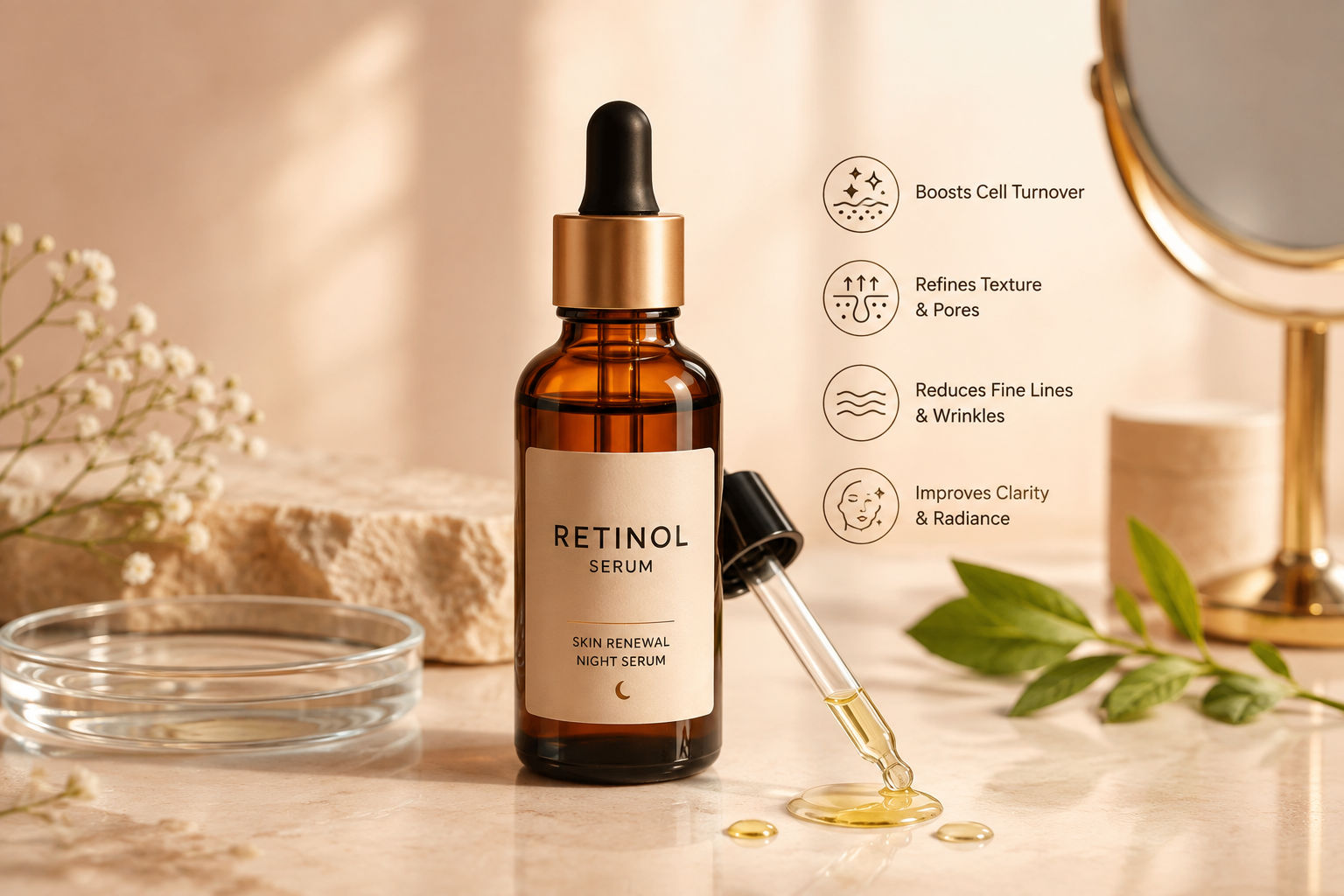
Retinol, vitamin C and AHAs each work by speeding up skin's natural turnover or by neutralising free-radical damage, but the mechanism differs enough that mixing them badly cancels the benefit instead of doubling it. Retinol nudges skin cells to renew faster, AHAs dissolve the "glue" holding dead surface cells together, and vitamin C (in forms like ascorbyl glucoside) mops up oxidative stress from sun and pollution. All three are also pH-sensitive: layer them at the wrong strength or order and you get more redness and stinging, not more results. That combination of active ingredients is exactly why layering rules matter more here than in a basic moisturiser or cleanser. For most Indian users dealing with humid, high-UV climates through much of the year, this isn't a minor formulation detail, it directly affects whether the skin barrier holds up or starts flaking and reacting.
Why What Not to Mix With Retinol, Vitamin C or AHAs Matters for You
Layering actives sounds like a fast track to glowing skin, but retinol, vitamin C and AHAs each work by disrupting your skin barrier a little to speed up cell turnover or lift dead cells. Stack two or three at once and you're not tripling the benefit, you're tripling the irritation, and that shows up fast as redness, stinging, or a rough, flaky texture that makes makeup sit unevenly. This matters more here than in cooler climates: India's heat and humidity mean sweat and sebum already stress a compromised barrier, and monsoon-season humidity spikes can turn mild irritation into breakouts within days.
The bigger risk is what happens after the redness fades. Melanin-rich skin is more prone to post-inflammatory hyperpigmentation (PIH), so any inflammation from over-layering actives doesn't just heal and disappear, it can leave behind a dark patch that lingers for months. Getting the sequencing right (or skipping combinations that fight each other) is what keeps your barrier intact and your tone even, rather than trading one concern for another.
There's also the sun factor. Retinol and AHAs both increase UV sensitivity, and research suggests broad-spectrum SPF 30 or higher blocks about 97% of UVB rays, which means whatever active routine you land on, it only holds up if sunscreen is the non-negotiable last step every single morning, monsoon clouds or not.
How We Choose Our Products
This guide leans on ingredients and how they actually behave together, not on brand names. We prioritised actives with real research behind them, formulas whose textures suit Indian weather (a heavy occlusive that works in a Delhi winter can feel unbearable during Mumbai's humid months), and pairings that stay gentle on melanin-rich skin, where irritation often settles into post-inflammatory hyperpigmentation that outlasts the original flare. Where a combination has a genuine downside, sting, dryness, a slow build-up of sensitivity, it's stated plainly rather than smoothed over. Concentration, pH and how long a layer sits on skin matter more here than any single label, so the advice stays about your routine rather than a shopping list.
What Not to Mix With Retinol, Vitamin C or AHAs: An Ingredient Layering Safety Guide
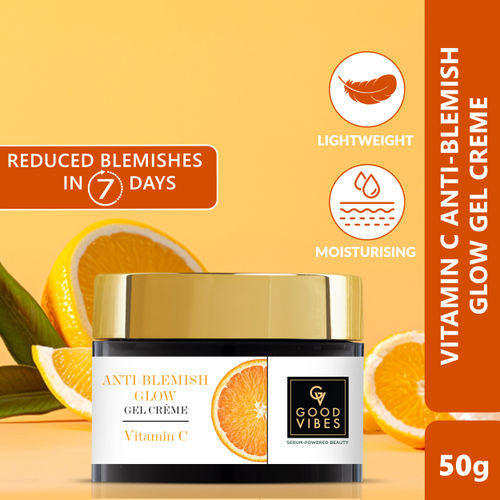
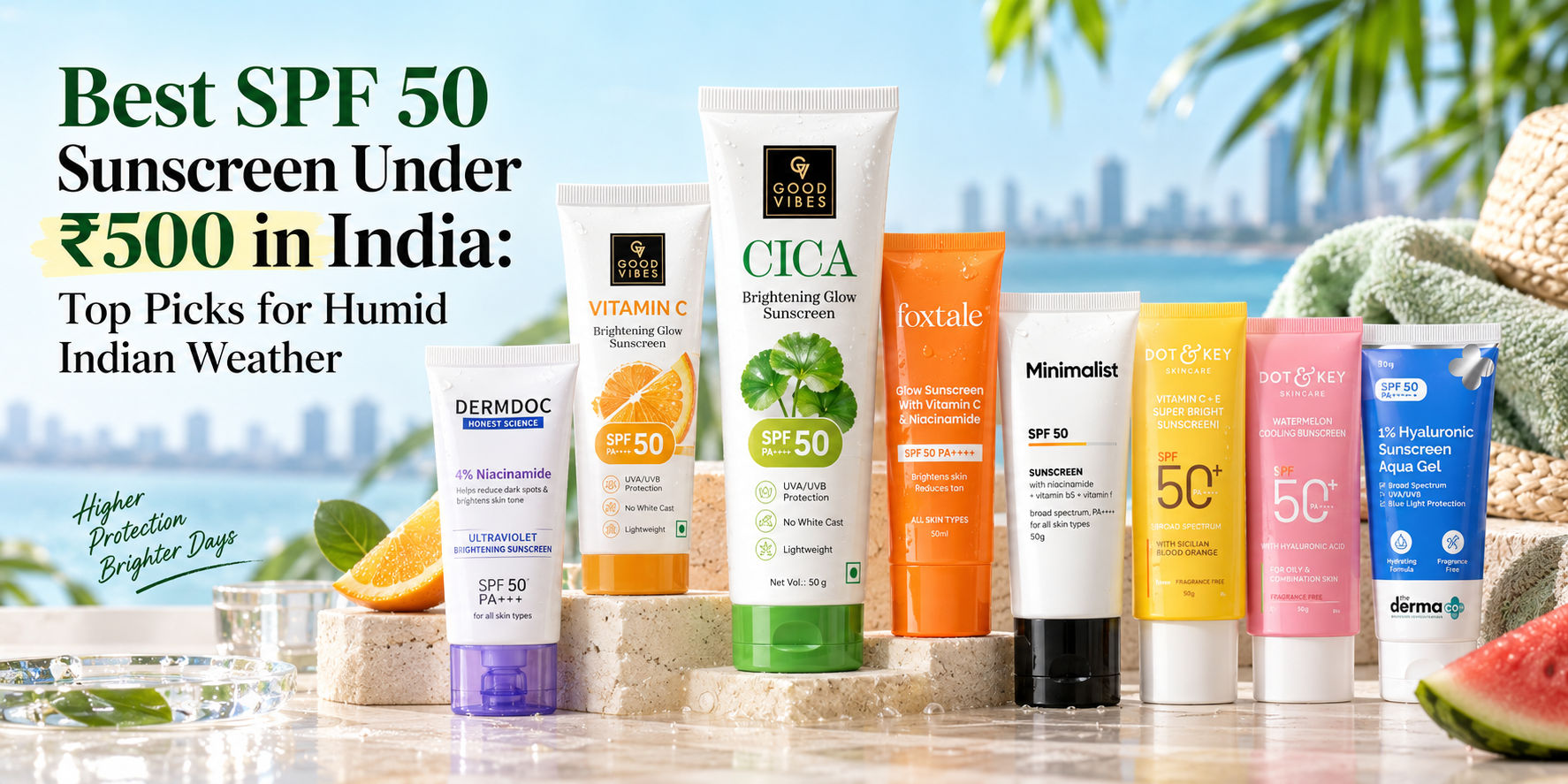
Good Vibes Anti Blemish Glow gel Creme Vitamin C stands out as the safest anchor for a layering routine because it sits in a light gel base that sinks in fast, leaving no tacky film to trap heat or friction when you add retinol on alternate nights.
Best for: Active breakouts with leftover dark marks | Format: Lightweight gel-creme | Key actives: Vitamin C, aloe vera | Skip if: You already use a strong retinol at night
This one sits in the gentler corner of the vitamin C shelf, which matters if you're layering carefully. The gel-creme sinks in fast and leaves a matte-ish finish rather than a tacky film, so it works under sunscreen in Mumbai humidity without pilling. It won't erase post-inflammatory hyperpigmentation quickly, and the fading many people notice on brown skin tones takes patient, daily use over weeks. The scent is faintly citrusy and fades within a minute.
Who should use it: Oily or combination skin dealing with fresh blemishes and the dark spots they leave behind.
Who should skip it: Anyone whose routine already includes a potent retinol or exfoliating acid in the same session, since stacking actives raises the odds of stinging and flaking.
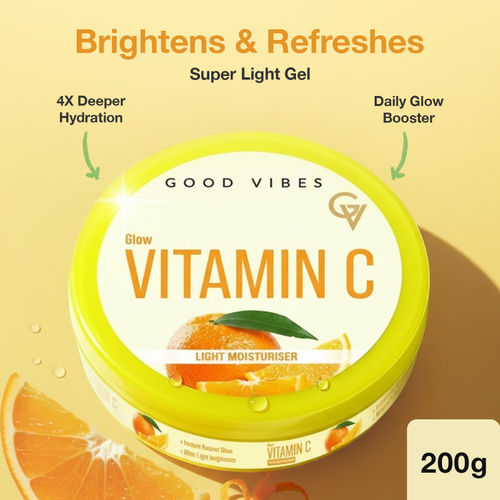
Best for: Layering vitamin C without heaviness | Format: Light water-gel | Key actives: Vitamin C, glycerin, aloe | Skip if: You want a treatment-strength serum
Gel moisturisers earn their place in Indian summers, and this one sinks in fast enough that you can layer sunscreen over it within a minute, no pilling, no tacky film across the forehead by mid-morning. The scent is faintly citrusy and fades quickly. Its vitamin C sits at moisturiser strength, so treat it as gentle daily support rather than a fix for stubborn post-inflammatory hyperpigmentation. Very dry skin in a Delhi winter will likely want something richer over the top.
Who should use it: Oily or combination skin that wants a low-risk way to keep vitamin C in the routine without stacking another strong active.
Who should skip it: Anyone already using a dedicated vitamin C serum, or dry skin needing real occlusive comfort.
Best for: Beginners easing into retinol | Format: Lightweight, fast-sinking serum | Key actives: 0.1% retinol, ceramides, hyaluronic acid | Skip if: You're pregnant, breastfeeding, or already on prescription tretinoin
A low-percentage retinol is the sensible starting point when you're still learning what your skin tolerates, and this one keeps things simple. The serum spreads thin and disappears in seconds, with the faint, slightly waxy slip that ceramide-containing formulas tend to leave. The small 15 ml bottle runs out quickly if you're generous with it. Expect the usual retinol adjustment, some flaking in week two or three, especially through a dry North Indian winter, so build up slowly, two nights a week at most.
Who should use it: Anyone starting retinol for the first time, or returning after a break, who wants a gentle dose that layers cleanly under a plain moisturiser.
Who should skip it: Skip it if you're pregnant, breastfeeding, using a prescription retinoid, or applying it on the same night as an AHA or a low-pH vitamin C.
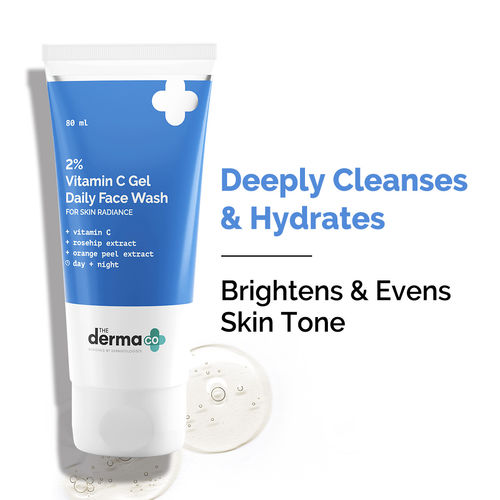
Best for: Starting a vitamin C routine gently | Format: Clear gel cleanser that foams lightly | Key actives: 2% vitamin C, rosehip oil, orange peel extract | Skip if: Your skin feels tight after washing
A face wash is the low-risk way to bring vitamin C into a routine that already has retinol or acids, because it rinses off before it can stack irritation on top of anything else. The gel spreads thin and smells faintly of orange peel without the sharp citrus sting some vitamin C products carry. Contact time is short, though, so treat this as a gentle entry point rather than a replacement for a leave-on serum.
Who should use it: Anyone layering actives through Mumbai's humid months who wants vitamin C in a rinse-off step where it's least likely to clash with a retinol night.
Who should skip it: Skip it if you're after real brightening on melanin-rich skin where post-inflammatory hyperpigmentation is the concern, since a cleanser can't sit on skin long enough to do that work.
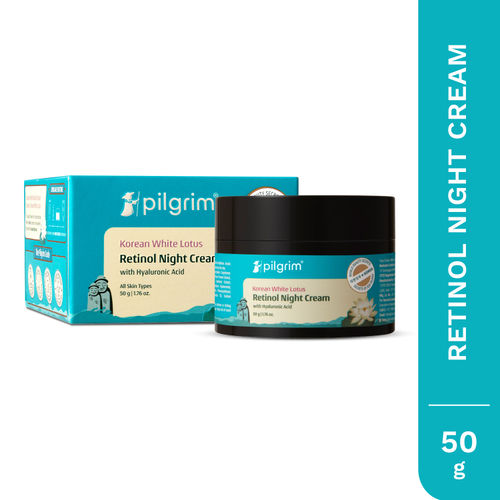
Best for: Starting retinol without stacking it onto other actives | Format: Cushiony night cream | Key actives: Retinol, hyaluronic acid, vitamin C | Skip if: You already use a separate retinol serum
Layering gets simpler when one jar handles the whole active load. This cream sinks in with a slightly tacky finish that settles in about a minute, so a sleeping mask on top isn't necessary. Retinol and vitamin C sit together here at formulator-set levels, which spares you the guesswork of pairing them yourself. Honest limitation: it's rich for Mumbai summers, and oily skin may wake up shinier than expected.
Who should use it: Anyone new to retinol who'd rather not build a multi-step active routine and risk the sting.
Who should skip it: Skip it if you're pregnant, breastfeeding, or already running a prescription retinoid, since doubling up raises irritation risk without added benefit.
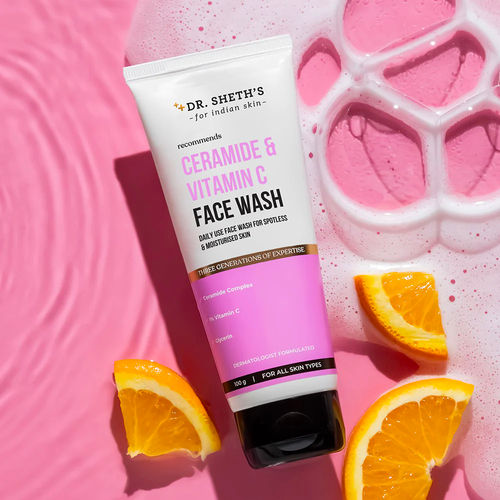
Best for: Gentle daily cleansing while using actives | Format: Creamy face wash | Key actives: 1% Vitamin C, ceramides | Skip if: You want a deep-cleansing foam
Cleansing is where most layering trouble starts, and this one keeps things quiet. It lathers thin rather than foamy, which reads underwhelming for about a week until you notice your skin isn't tight after rinsing, the ceramides do that. The 1% vitamin C is low enough that it won't clash with a retinol night, though it's too low to expect brightening from a wash you rinse off. In Indian humidity, that light finish helps. Oily skin may want a second cleanse.
Who should use it: Anyone building a routine around retinol or acids who needs a cleanser that won't add irritation on top.
Who should skip it: People with very oily or heavily sunscreen-layered skin who want one cleanse to remove everything.
Actives like retinol, vitamin C and AHAs each work well alone, but stack them carelessly and you're looking at redness, flaking, or a compromised barrier, especially through Mumbai's humid, sweat-heavy months when skin is already more reactive. The table below is a quick sense-check before you introduce a new active into your routine.
How to Use What Not to Mix With Retinol, Vitamin C or AHAs
In the morning, apply 3-4 drops of a vitamin C serum onto dry skin right after cleansing and let it sit for a minute before moisturiser; vitamin C needs a low pH to absorb properly, and layering something alkaline too soon can disrupt that.
Follow every morning routine with a broad-spectrum SPF 30 or higher, applying roughly two fingers' worth to the face; research suggests SPF 30 blocks about 97% of UVB rays, and vitamin C alone won't protect you through a Delhi or Chennai afternoon.
On AHA nights, apply on completely dry skin and wait a full 20-30 minutes before anything else; skin is more permeable right after exfoliation, so rushing the next step raises irritation risk.
Reserve retinol for a separate night from your AHA, using a pea-sized amount after a 20-minute post-cleanse wait; combining exfoliating acids with retinol in one session compounds barrier stress instead of doubling results.
New users should start any active 2 nights a week; established users can build to alternate nights once skin tolerates it without flaking or stinging.
One closing note: keep vitamin C bottles capped tightly and away from bathroom humidity, since exposure to air and moisture speeds up oxidation and turns the serum orange and ineffective.
Frequently Asked Questions
What should you never mix with retinol in your night routine?
Skip AHAs/BHAs, benzoyl peroxide and high-strength vitamin C in the same application as retinol, layering actives with different pH needs strips the barrier fast. If you're on DERMDOC 0.1% Retinol Face Serum, keep it solo at night and let vitamin C handle mornings.
Can I use vitamin C and retinol together at all?
Yes, just not stacked in one application, vitamin C in the morning, retinol at night. This split lets both actives work at their ideal pH without oxidising each other or overloading skin in a single sitting.
Why does combining AHAs with retinol cause more irritation than using either alone?
Both accelerate cell turnover and depend on specific pH ranges to work, so stacking them over-exfoliates and thins the moisture barrier. In India's humid stretches, that compromised barrier struggles more with sweat and sebum, so irritation shows up faster than it might in drier climates.
Is it normal to break out after starting a retinol or AHA routine?
A short purging phase, usually two to six weeks, is expected as cell turnover ramps up and brings existing congestion to the surface faster. If redness or peeling drags on past six weeks, the routine's too aggressive and needs scaling back, not pushing through.
Which vitamin C product works best alongside a retinol routine without clashing?
Good Vibes Anti Blemish Glow Gel Creme Vitamin C is formulated as a leave-on morning step, so it pairs cleanly with a night-only retinol like Pilgrim's Retinol Night Cream, no same-application overlap to manage.
Do I need a separate moisturiser if I'm using both vitamin C and retinol on alternating times of day?
A gel-based option like Good Vibes Vitamin C Super Light Gel Moisturiser works well for daytime since it layers under sunscreen without pilling; at night, a richer formula supports skin while retinol works.
Are the products sold on Purplle genuine?
Yes. Purplle runs on an inventory-led model, sourcing stock directly from brands and authorised distributors rather than allowing unverified third-party sellers to list products, so what reaches you matches what the brand ships.
Ferulic acid stabilizes a solution of vitamins C and E and doubles its photoprotection of skin.. pubmed.ncbi.nlm.nih.gov. https://pubmed.ncbi.nlm.nih.gov/16185284