PurplleBlog HomeBest Skincare Products For Women In India: A Skin-type And Skin-tone Matched Guide
Best Skincare Products for Women in India: A Skin-Type and Skin-Tone Matched Guide
Written by Ananya Rao, Purplle Beauty Editor (5 years in skincare journalism, 400+ products tested)
Medically reviewed by Dr. Rohit Menon, MBBS, MD (Dermatology), DDVL
Last updated: 9 September 2026Reading time: 17 minutes
The Quick Answer
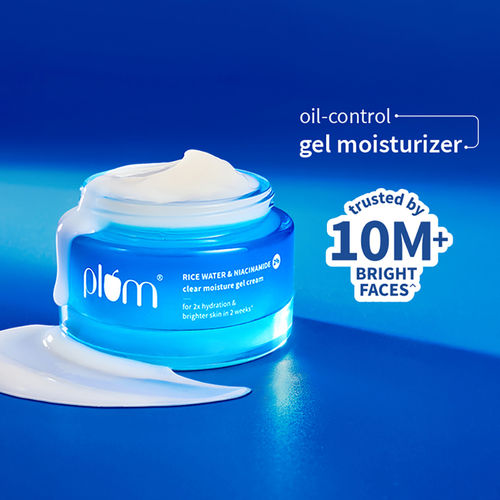
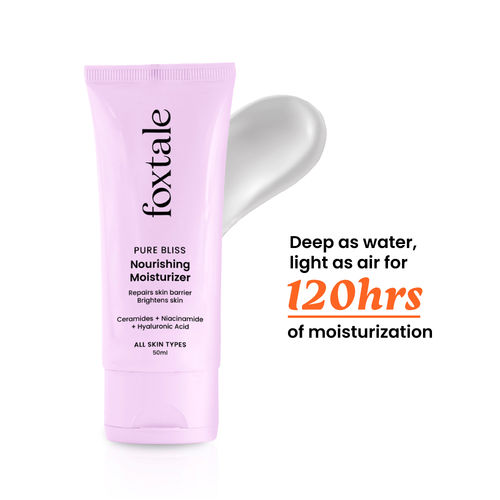
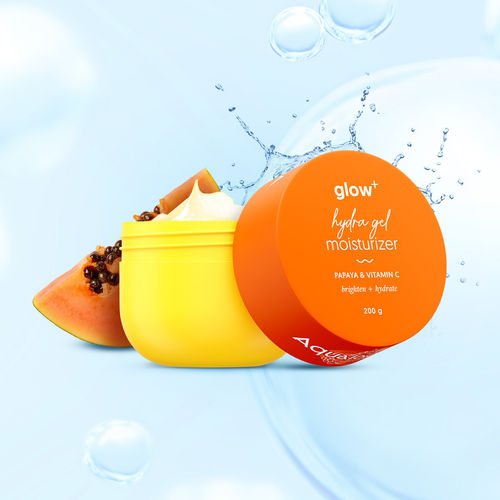
If you want one moisturiser to start with, the Plum 2% Niacinamide & Rice Water Superlight Gel Cream Moisturizer is the top pick on Purplle for most Indian skin types — the niacinamide works on blemish marks and uneven tone, which matters on melanin-rich skin where post-inflammatory hyperpigmentation lingers for months after a single breakout, and the gel-cream sinks in without that tacky film you get in Mumbai or Chennai humidity. If you want more slip and a bigger jar for the money, the Aqualogica Glow+ Hydra Gel Moisturizer with Vitamin C & Papaya is the value alternative, with a watery gel texture built for normal to combination skin. Skip both if your skin is genuinely dry and flaky through winter; gel formulas won't hold enough moisture, and the Foxtale Nourishing Ceramide Face Moisturizer is the better fit there.
One thing worth planning around: research suggests water loss through the skin runs noticeably higher on the forehead in summer than in winter, so the texture that felt right in December may feel thin by May. Most Indian routines need two moisturisers across the year, not one.
Key Takeaways
• Plum's Niacinamide & Rice Water Gel Cream delivers lightweight hydration without the greasy feel—an essential base for oily and combination skin types.
• Your skin's transepidermal water loss spikes 23% higher on the forehead during summer—research suggests this seasonal shift demands stronger hydration when India's heat peaks.
• Foxtale's Ceramide Moisturizer is available on Purplle, offering ceramide-rich hydration that addresses your skin's natural moisture loss during India's seasonal heat-to-dry cycles.
• SPF 30 sunscreen blocks roughly 97% of UVB rays, the practical minimum for daily Indian sun exposure, whether you're commuting or staying mostly indoors.
Why This Matters
Skin doesn't stay the same from one season to the next, and in most of India, the swing is bigger than people plan for. Research on transepidermal water loss (TEWL, the rate at which skin loses water through its outer layer) shows it climbs measurably in summer compared to winter on the forehead, which lines up with what humid months feel like on the face here: more oil by midday, makeup sliding off, breakouts that weren't there in cooler weather. The reverse happens once the air dries out. Lower humidity pulls moisture out of skin faster than it can replace it, which is why the same cleanser that felt fine in July can leave skin tight and flaky by December.
Then there's sun. India sits largely in the tropical and subtropical belt, so UV exposure stays moderate to high across most of the year, not just in a "summer season." For ordinary days, commuting, errands, mostly-indoor work, broad-spectrum SPF 30 is generally enough, since it blocks around 97% of UVB rays when applied properly. That's a meaningful shield against the fine lines and dark spots that unprotected daily sun exposure builds up, especially in melanin-rich skin, where post-inflammatory hyperpigmentation is already a common concern.
This guide is for anyone whose routine hasn't kept pace with these shifts, and it picks products with that seasonal reality in mind, not a one-size-fits-all shelf.
How We Choose Our Products
Picking these came down to a few plain filters. Ingredient lists had to make sense for the concern at hand, not just read well on a carton, so niacinamide and hyaluronic acid earned their place where the texture and concentration actually suited daily use. Verified ratings and real review counts mattered more than launch buzz. Price-value was weighed honestly across affordable and premium tiers, because a good serum shouldn't require a monthly budget meeting. Indian conditions shaped a lot of it: humidity that turns rich creams greasy by noon, dry winter air up north, and formulas that sit well on brown skin tones without leaving a grey cast or triggering the post-inflammatory hyperpigmentation that lingers on melanin-rich skin.
Best Skincare Products for Women in India: A Skin-Type and Skin-Tone Matched Guide
Plum's 2% Niacinamide & Rice Water Gel Cream earns the top spot here for staying light enough to skip that midday shine Indian humidity tends to bring on, while still visibly calming the blotchiness and marks that follow a breakout.
Best for: Oily and combination skin needing lightweight hydration | Format: Gel-cream | Key actives: 2% niacinamide, rice water, glycerin | Skip if: Your skin runs dry and tight
Gel-creams live or die on how they sit under humidity, and this one sinks in fast with a slightly cool, watery slip that stops short of stickiness, useful through a Mumbai monsoon or a Delhi May when heavier creams just slide. The 2% niacinamide is a mild concentration, so research suggests fading of post-inflammatory hyperpigmentation on melanin-rich skin takes consistent months, not weeks. Its light film also won't carry drier skin through north Indian winters alone.
Who should use it: Oily, combination or acne-prone skin looking for oil-free daily moisture with gradual work on dark marks.
Who should skip it: Anyone with genuinely dry or winter-parched skin who needs a richer occlusive layer on top.
Best for: Dry, dehydrated skin needing barrier repair | Format: Lightweight cream | Key actives: Ceramides, niacinamide, hyaluronic acid | Skip if: Your skin turns greasy by noon
Ceramides do the quiet work here, topping up the lipids that hold moisture in, which matters more than it sounds, because water loss through skin climbs in dry, cold weather, and North Indian winters and over-air-conditioned offices both push it that way. The cream sinks in without that tacky film some moisturizers leave, and there's a faint powdery finish once it settles. Niacinamide may help even out post-inflammatory hyperpigmentation over time. The 100-hour hydration claim is marketing shorthand, not something you'll notice as a distinct milestone.
Who should use it: Anyone with dry, tight, or barrier-compromised skin, especially through winter months or long stretches in air conditioning.
Who should skip it: Very oily skin in peak humidity, where a gel-based moisturizer will sit better.
Best for: Everyday hydration on normal to combination skin | Format: Weightless water-gel | Key actives: Vitamin C, papaya extract, hyaluronic acid | Skip if: Your skin runs very dry or flaky
This one earns its place through texture. The gel sinks in within seconds and leaves no tacky film, which matters during Mumbai and Chennai summers when humidity already makes skin feel coated, research suggests water loss through the skin runs measurably higher in hot months, so a light layer that actually absorbs beats a heavy cream you'll skip. The vitamin C level here is gentle rather than corrective, so don't expect it to shift stubborn pigmentation on its own.
Who should use it: Anyone with normal, combination or mildly oily skin who wants hydration that disappears under makeup and sunscreen.
Who should skip it: Very dry or mature skin needing richer occlusives, and anyone specifically treating dark spots who needs a higher-strength vitamin C.
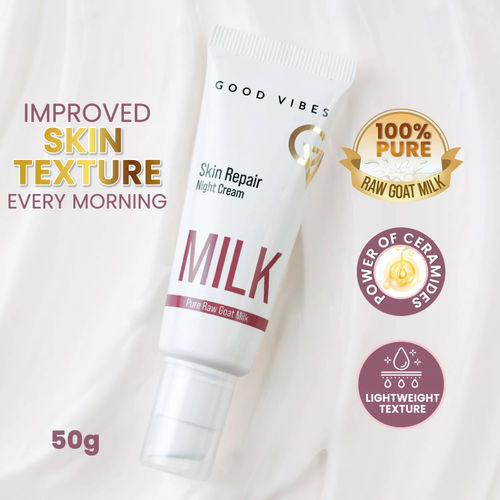
Best for: Overnight dryness repair | Format: Rich milky night cream | Key actives: Raw goat milk, shea butter, vitamin E | Skip if: You want a fast-absorbing gel
Goat milk brings lactic acid and fat together, which is a gentle way to soften rough patches while the barrier rebuilds overnight. The texture is thick and faintly creamy-sweet, and it sits on skin for a few minutes before sinking in. That slow absorption is the honest catch during humid Mumbai monsoon nights, when even a thin layer can feel tacky. Research suggests skin loses more water in dry, cold air, so this earns its place through Delhi winters.
Who should use it: Dry, dull or winter-tight skin that wakes up feeling stripped after cleansing.
Who should skip it: Oily and acne-prone skin, or anyone who dislikes a heavy layer before bed.
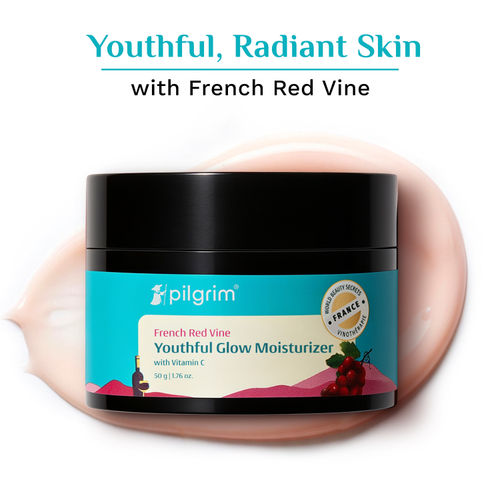
Best for: Dull, dehydrated skin that needs daytime hydration plus sun cover | Format: Lightweight cream, satin finish | Key actives: Vitamin C, French red vine extract, rosehip oil, SPF 30 | Skip if: You want a standalone high-protection sunscreen
Pilgrim's red vine cream earns its spot because it does two jobs in one step, which matters on humid Indian mornings when layering a separate moisturiser and sunscreen feels like too much. The cream spreads thin and sinks in without that sticky film heavier creams leave behind. Vitamin C may help fade post-inflammatory hyperpigmentation, the stubborn dark marks acne leaves on melanin-rich skin. Research suggests SPF 30 covers routine commuting and indoor days, though a beach day needs more.
Who should use it: Someone with normal to slightly dry skin who wants hydration, brightening and daily sun cover without a three-step morning.
Who should skip it: Anyone spending long stretches outdoors, who's better off with a dedicated higher-SPF sunscreen layered separately.
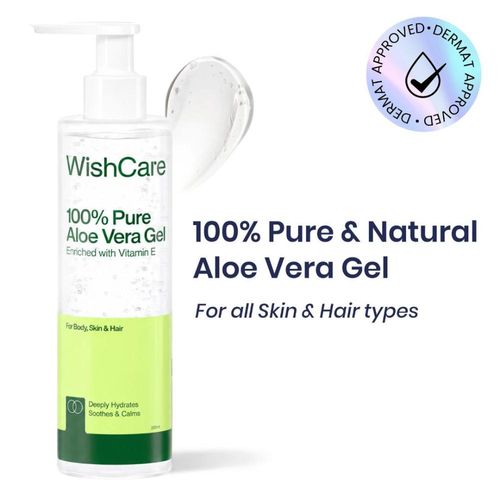
Best for: Lightweight hydration after sun exposure | Format: Clear, fast-absorbing gel | Key actives: Aloe vera, vitamin E | Skip if: You need a rich winter moisturiser
Aloe gel earns its place in an Indian bathroom shelf for one reason, it cools without leaving that sticky film most creams do in humid coastal weather. This one sinks in within a minute or so and layers cleanly under sunscreen. Research suggests transepidermal water loss climbs measurably in summer, so a light hydrating layer helps more than it seems. The catch: it's thin. Through a dry North Indian January, oily skin still won't need more, but dry skin will want a cream on top.
Who should use it: Oily, combination or acne-prone skin looking for everyday hydration that doesn't feel heavy.
Who should skip it: Anyone with very dry or flaky skin, who'll find this too light on its own.
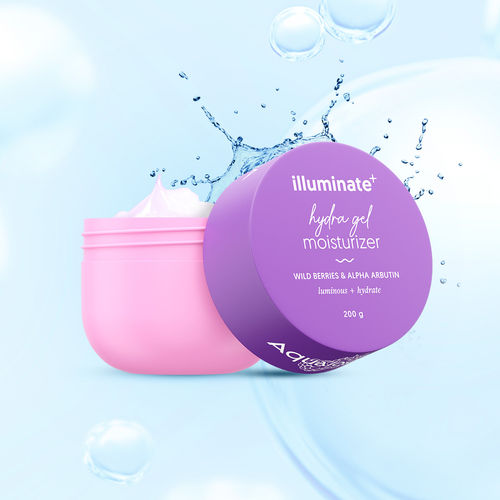
Best for: Daily hydration on oily to combination skin | Format: Water-light gel, non-sticky | Key actives: Alpha arbutin, wild berry extract, hyaluronic acid | Skip if: You want a rich winter cream
This one sinks in fast enough that makeup can go on within a minute or two, which matters through humid Mumbai and Chennai months when anything heavier just sits and slides. The gel feels cool on application and leaves a soft, non-greasy finish rather than a shine. Alpha arbutin may help fade dark marks gradually, so patience is the price. Dry skin in a north Indian January will likely need something richer layered over it.
Who should use it: Oily or combination skin looking for lightweight daily moisture with slow, steady work on post-inflammatory hyperpigmentation.
Who should skip it: Anyone with genuinely dry or flaky skin, especially in cold, low-humidity months when a gel alone won't hold moisture in.
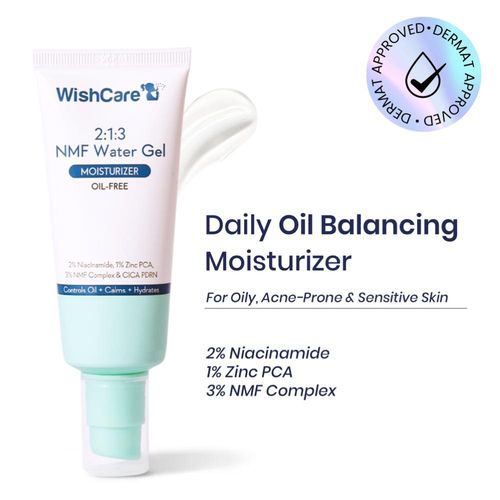
Water-gel textures earn their keep during Indian summers, when forehead water loss climbs measurably compared to winter and heavier creams just slide around. This one sinks in within seconds and leaves a matte, almost powdery finish rather than a tacky film, so makeup or sunscreen layers over it without pilling. The 2:1:3 ratio mirrors skin's own natural moisturising factor, which mostly means comfortable hydration without added oil. The limitation is real, though: come December, this alone won't hold up on dry or mature skin.
Who should use it: Anyone with oily or combination skin that feels tight after cleansing but breaks out under richer creams.
Who should skip it: Dry, flaky, or very dehydrated skin that needs occlusives and ceramides to stay comfortable.
Skincare shopping in India means juggling humidity in Mumbai, dry winters in Delhi, and everything between, so texture and finish matter as much as ingredients. This table lines up eight moisturizers by skin need, feel on skin, and who should pass. Across skin types and budgets, the common thread is texture matching climate and concern, not chasing one universal formula, and the Plum Superlight Gel Cream stands out as the pick most people can reach for first, given how well its oil-free gel base and niacinamide fit the humidity most Indian skin deals with for a good part of the year.
Cleanse first with a coin-sized amount of face wash, morning and night, and pat skin damp rather than towel-dry rough. This keeps the skin's barrier intact so the next steps absorb instead of sitting on top.
If you're using a vitamin C serum, apply 3-4 drops onto dry skin right after cleansing, starting with a 10% concentration and working up as your skin tolerates it. Give it a full 60 seconds to sink in before moving on, since layering too soon dilutes it and blunts the brightening effect.
Follow with a pea-sized amount of moisturiser massaged in while skin is still slightly damp, waiting a beat longer in humid months when it feels heavier on the skin. For oily or acne-prone skin common in India's humid stretches, switch to a gel-based moisturiser instead of a cream in peak summer.
Finish every single morning with broad-spectrum SPF 30, applying a two-finger-length strip for the face and neck, even on cloudy or indoor-heavy days. India's tropical latitude means UV exposure stays meaningful most of the year, and SPF 30 blocks around 97% of UVB when you actually use enough of it.
New users should introduce one active at a time and hold for two weeks before adding another; established routines can layer serum, moisturiser, and SPF daily without that gap. Store vitamin C in a cool, dark spot, away from the bathroom shelf, since heat and humidity speed up oxidation and turn the serum an unusable brown.
Frequently Asked Questions
Which face moisturizer works best for oily, humid Indian weather?
A lightweight, oil-free gel is your safest bet through monsoon and peak summer months, when humidity keeps skin feeling clammy by mid-morning. The Wish Care 2:1:3 NMF Water Gel Moisturizer is built for oily and acne-prone skin, using niacinamide and zinc PCA to manage shine without clogging pores. It sinks in fast, leaving no greasy film under makeup.
Are the products sold on Purplle genuine?
Yes. Purplle runs on an inventory-led model, meaning it sources directly from brands and authorised distributors rather than opening its platform to unverified third-party sellers. That's a meaningful difference from a marketplace format, since it removes the guesswork around counterfeit stock that can plague open marketplaces.
What SPF should I use for daily sun exposure in India?
Most of India sits in tropical or subtropical latitudes with strong UV exposure most of the year. For routine days spent commuting or mostly indoors, broad-spectrum SPF 30 is generally sufficient, blocking around 97% of UVB rays when applied properly. Reapply if you're outdoors for extended stretches, since sweat and humidity wear sunscreen down faster.
How does skin tone affect which brightening ingredient I should pick?
Melanin-rich skin is prone to post-inflammatory hyperpigmentation (PIH) after acne or sun exposure, so ingredients like niacinamide and alpha arbutin that target uneven tone matter more here than for lighter skin. The Aqualogica Illuminate+ Hydra Gel Moisturizer pairs alpha arbutin with wild berries for this exact concern, though visible fading takes consistent use over weeks, not days.
What's a common skincare mistake Indian women make with moisturizer?
Skipping moisturizer on oily or humid days is the big one, oily skin still needs hydration, and going without it often triggers more oil production as skin compensates. A gel-based formula like Aqualogica Glow+ Hydra Gel Moisturizer with Vitamin C gives water-like hydration without the heavy, pore-clogging feel people associate with creams.
Should my routine change between seasons in India?
Yes, winter's drier air and indoor heating pull moisture from skin, while summer humidity calls for lighter textures. A richer option like Good Vibes Skin Repair Milk Night Cream, with ceramides for dry skin, suits winter months, while gel moisturizers work better once humidity climbs back up.
Can I use vitamin C and niacinamide together?
Yes, they're commonly layered, though starting with a lower concentration helps gauge how your skin reacts before increasing strength. The Plum 2% Niacinamide & Rice Water Gel Cream is formulated at a gentle concentration for daily use, making it a reasonable starting point for skin still adjusting to actives.