PurplleBlog HomeBest Dark Spot Reduction Products In India: A Pigmentation-focused Buying Guide
Best Dark Spot Reduction Products in India: A Pigmentation-Focused Buying Guide
Written by Ananya Rao, Purplle Beauty Editor (5 years in skincare journalism, 400+ products tested)
Medically reviewed by Dr. Priya Sharma, MBBS, MD (Dermatology)
Last updated: 9 September 2026Reading time: 17 minutes
Key Takeaways
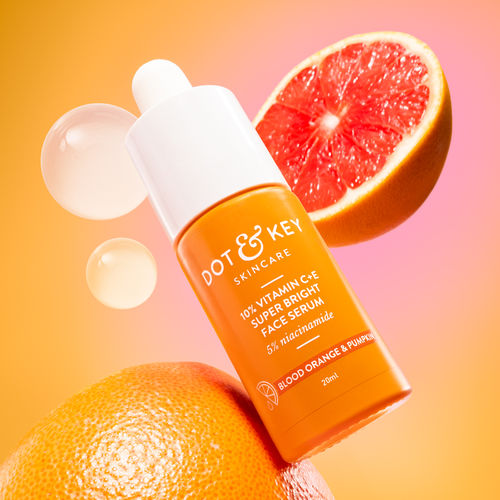
Dot & Key 10% Vitamin C+E + 5% Niacinamide Face Serum combines L-ascorbic acid with stabilizing niacinamide to target post-inflammatory hyperpigmentation common in Indian skin.
Niacinamide research demonstrates suppression of melanosome transfer, the cellular process that creates visible pigmentation, thereby offering evidence-backed reduction of cutaneous hyperpigmentation.
Both serums are available on Purplle—Dot & Key's vitamin C formula and The Derma Co's kojic acid option let you compare stabilizer choices side-by-side.
Ascorbyl glucoside is L-ascorbic acid's gentler cousin—it converts to the active form once absorbed, making it a stable, less irritating option for sensitive skin.
The Quick Answer
If you're after one product to start with, Purplle's dark spot lineup leads with the Dot & Key 10% Vitamin C+E, 5% Niacinamide Face Serum, a lightweight vitamin C and niacinamide pairing that targets pigmentation and dark spots without the heaviness most serums bring in Indian humidity. Research suggests niacinamide may slow the transfer of pigment between skin cells, which in practice means spots fade gradually rather than overnight. If you want something gentler on your budget, The Derma Co 2% Kojic Acid Face Serum with alpha arbutin and niacinamide covers similar ground for stubborn marks. Skip both if your skin is actively broken out or freshly peeling, since layering acids and brightening actives onto compromised skin usually deepens the post-inflammatory hyperpigmentation you're trying to treat. For daytime-only routines with no sunscreen in sight, none of these will hold up.
Dark spots on melanin-rich skin behave differently from freckling on paler skin. They sit deeper, linger longer after acne or a shaving nick, and darken fast with sun exposure, which is why consistency matters more than potency here.
Why This Matters
Dark spots don't fade the same way for everyone, and that's especially true for melanin-rich skin. Post-inflammatory hyperpigmentation (PIH) common in Indian skin can linger for months after a breakout, a wax burn, or just an unprotected afternoon commute — because more melanin means the skin's pigment-producing response to any injury or UV hit is stronger and slower to switch off. That's who this guide is really for: anyone dealing with old acne marks, sun patches from Indian summers, or uneven tone that's resisted a random assortment of serums.
Two things get skipped in most advice on this topic. First, ingredient choice matters less than people think if the basics aren't in place, SPF with a high PA rating (the marker for UVA protection, distinct from the SPF number which mainly reflects UVB defense) worn every single day, not just at the beach. Skip that and any brightening serum is working against fresh pigmentation forming as fast as old spots fade. Second, almost nothing explains how much product to actually use or how to layer it, a pea-sized amount of a vitamin C serum patted onto damp skin, not rubbed into a still-humid, sweaty face in Mumbai's monsoon months, since that's a common reason people report irritation and blame the ingredient instead of the application.
We'll get into which forms of vitamin C, and other actives, hold up best in Indian heat and humidity, and how to build a routine around them without overloading your skin.
How We Choose Our Products
We started with what actually fades dark spots: ingredients with research behind them, vitamin C, niacinamide, alpha arbutin, kojic acid, at levels that do something without wrecking a barrier that's already irritated. Verified ratings and review volume mattered, and so did what you're getting for the money. Indian conditions shaped the rest. Humid stretches rule out heavy, occlusive textures, and strong UV through most of the year means a spot treatment won't hold its gains unless sunscreen sits on top of it. Post-inflammatory hyperpigmentation also behaves differently on melanin-rich skin, so gentleness counted as much as strength. Each pick carries one honest limitation. Competitor brands are included wherever they earned the spot.
Best Dark Spot Reduction Products in India: A Pigmentation-Focused Buying Guide
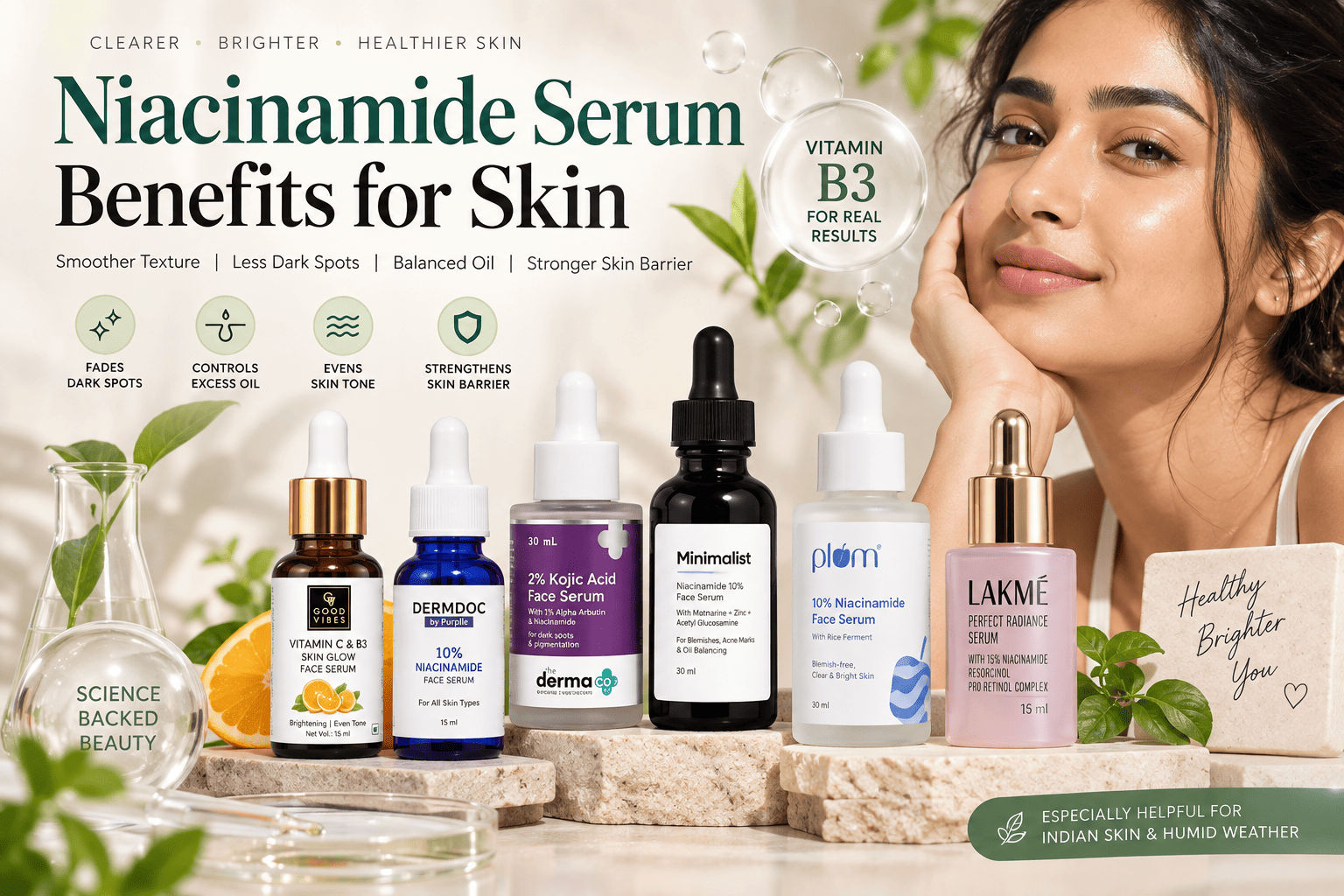
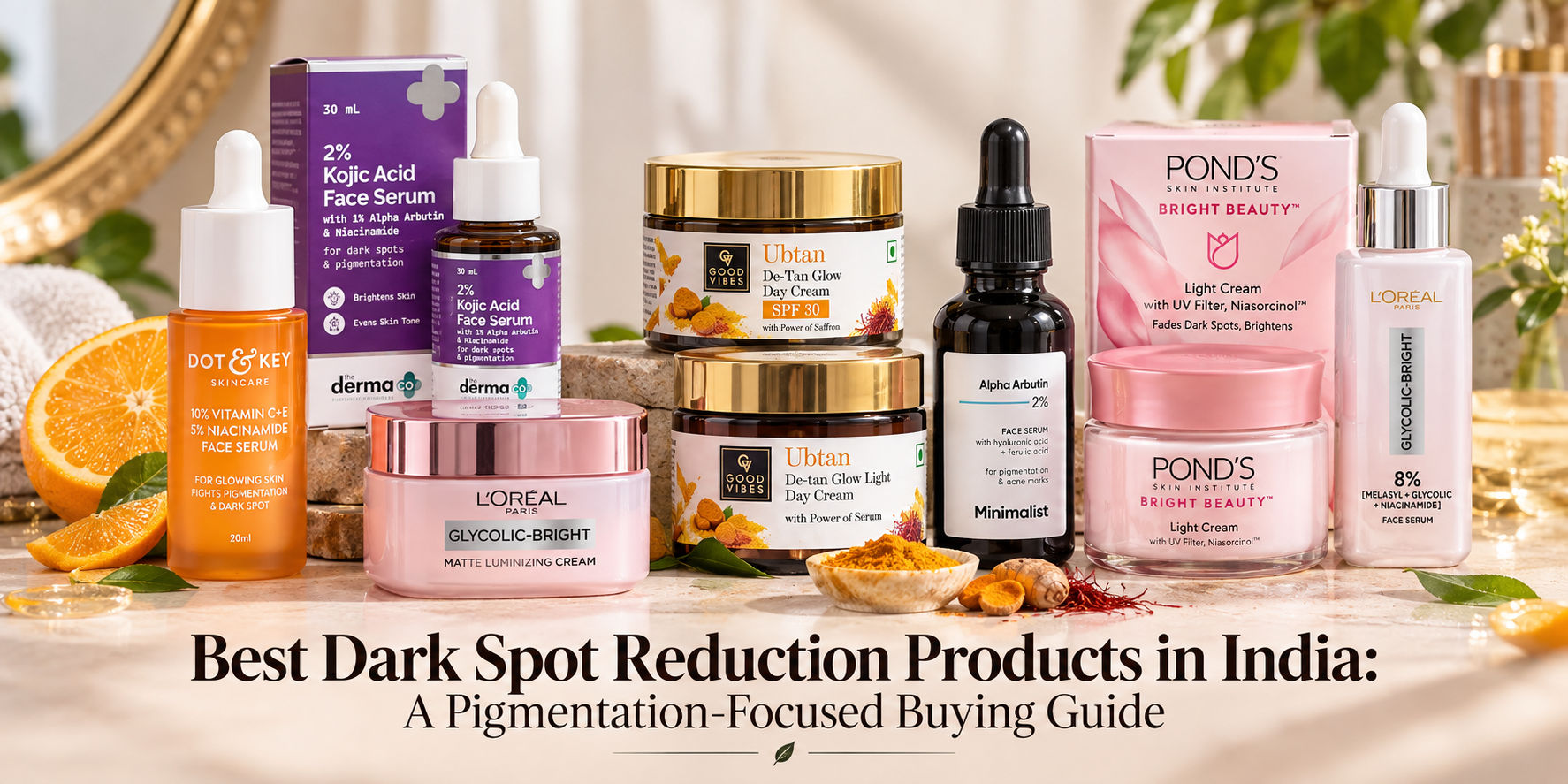
The Dot & Key 10% Vitamin C+E, 5% Niacinamide Face Serum earns the top spot here for combining a stabilised vitamin C form with niacinamide, a pairing that visibly evens patchy tone from tanning and PIH without the sting straight L-ascorbic acid often causes on melanin-rich skin.
Best for: Everyday dark spot fading | Format: Lightweight water-gel serum | Key actives: 10% Vitamin C+E, 5% Niacinamide | Skip if: Your skin stings easily with vitamin C
This one sinks in fast and leaves a slightly tacky finish for a minute before it settles, so it layers under sunscreen without pilling. The niacinamide is doing real work here, research suggests it interrupts pigment transfer between skin cells, which is why it may help fade the stubborn post-inflammatory hyperpigmentation left behind by acne on melanin-rich skin. It's a slow burn, though. Expect eight to twelve weeks, not two, and the citrus-tinged scent lingers longer than some like.
Who should use it: Anyone with acne marks or patchy sun-driven pigmentation who wants one serum handling both, especially through humid Indian summers when heavier formulas feel suffocating.
Who should skip it: People with reactive or rosacea-prone skin, or anyone already using a prescription pigmentation treatment without checking with their dermatologist first.
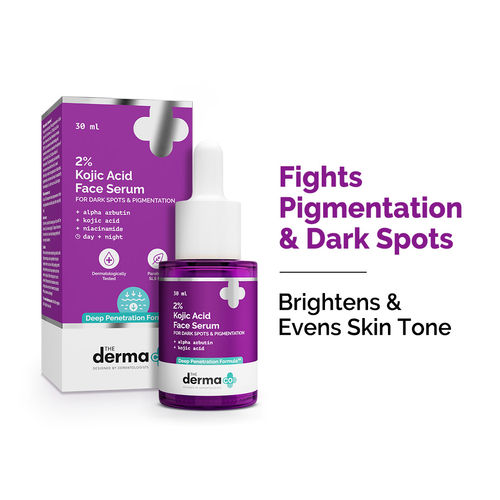
Best for: Stubborn post-acne dark spots | Format: Lightweight, fast-absorbing serum | Key actives: 2% kojic acid, 1% alpha arbutin, niacinamide | Skip if: Your skin reacts easily to acid-based actives
Three brighteners in one dropper is a sensible combination for the post-inflammatory hyperpigmentation that lingers on melanin-rich skin long after a breakout heals. Research suggests niacinamide may slow how pigment travels to surface skin cells, which means marks fade gradually rather than overnight. The serum spreads thin and sinks in without tack, so sunscreen layers cleanly over it in Mumbai humidity. Kojic acid can sting on freshly exfoliated or compromised skin, so introduce it slowly.
Who should use it: Anyone tracking old acne marks or patchy sun-related pigmentation who's willing to give it eight to twelve consistent weeks.
Who should skip it: Anyone with active irritation, or already using a strong retinoid or exfoliating acid at night without a gap day.
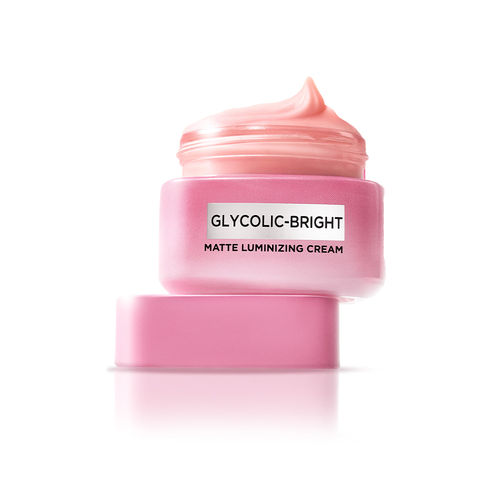
Best for: Daily brightening on oily, humid-weather skin | Format: Lightweight matte cream | Key actives: Glycolic acid, niacinamide | Skip if: Your skin runs dry or reacts to acids
Pigmentation work usually means choosing between a treatment and a moisturiser, and this one tries to be both. The texture sinks in fast and settles to a genuinely matte finish, which matters through a Mumbai summer when anything richer slides off by noon. Niacinamide may help limit pigment transfer to surface skin, so spots fade gradually rather than overnight. The limitation is real, though: the small tube empties quickly with twice-daily use, and glycolic acid means daily sunscreen isn't optional.
Who should use it: Someone with oily or combination skin wanting spot fading and oil control from one step.
Who should skip it: Anyone with dry, sensitised skin or an already acid-heavy routine.
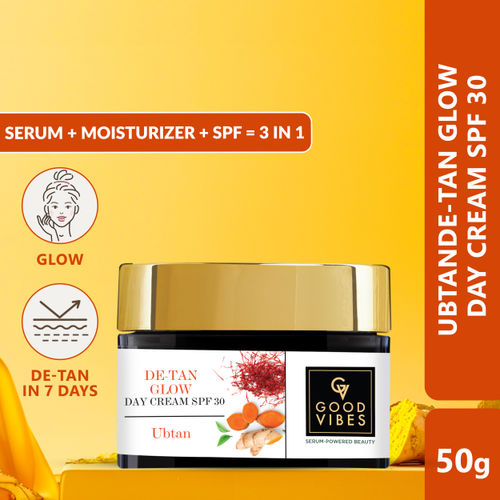
Best for: Daily tan and dullness control | Format: Lightweight day cream | Key actives: Ubtan blend, turmeric, saffron, SPF 30 | Skip if: You need broad-spectrum protection for long outdoor hours
Ubtan formulas have been a fixture in Indian homes long before day creams existed, and this one borrows that idea in a cream that sinks in fast without the sticky film most SPF creams leave behind in Mumbai humidity. The faint turmeric-and-saffron scent fades within a minute or two. SPF 30 is the honest limitation, it's fine for commutes and indoor days, but if you're outdoors past mid-morning, you'll want reapplication or something stronger. Daily use may help keep fresh tan and dullness from settling in.
Who should use it: Anyone wanting a single morning step that moisturises and adds a baseline layer of sun defence for regular city days.
Who should skip it: Anyone with active melasma or stubborn post-inflammatory hyperpigmentation, who'll need a targeted treatment serum and higher SPF alongside it.
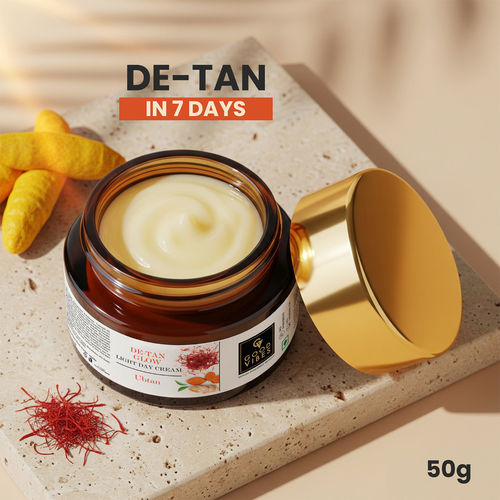
Best for: Everyday sun-dullness and uneven tan lines | Format: Lightweight day cream that sinks in fast | Key actives: Ubtan blend with turmeric and saffron notes | Skip if: You want a targeted fix for deep-set old marks
Ubtan formulas usually sit heavy, so this one's thinness is a genuine surprise, it spreads without that tacky film most Indian summers make unbearable, and the faint turmeric-warm scent fades within a minute. It works best on surface-level dullness and recent tanning, not stubborn post-inflammatory hyperpigmentation from old acne, which needs stronger actives and months of patience. No SPF here either, so it can't stop new pigmentation from forming while you're out.
Who should use it: Anyone wanting a light daytime moisturiser that gently brightens overall tone in humid weather.
Who should skip it: Anyone chasing visible fading of long-standing dark spots, who'd do better with a niacinamide or vitamin C derivative treatment.
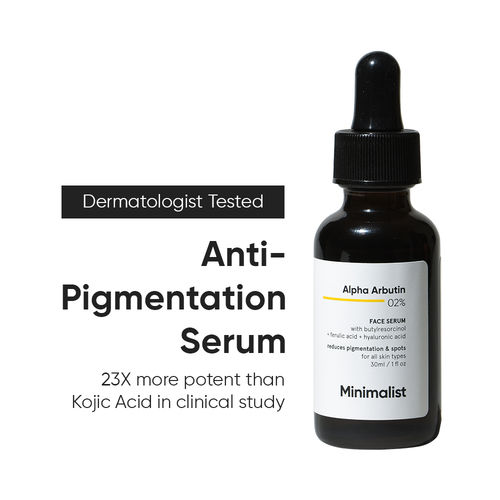
Best for: Stubborn acne marks and uneven tone | Format: Lightweight watery serum | Key actives: 2% alpha arbutin, hyaluronic acid | Skip if: You want overnight fading
Alpha arbutin works slowly and quietly, which is exactly the point with post-inflammatory hyperpigmentation on melanin-rich skin, research suggests gentler tyrosinase-pathway actives fade marks with less risk of the irritation that darkens spots further. It sinks in almost water-thin, with a faint slip from the hyaluronic acid and no sticky film under sunscreen, which matters in Mumbai humidity. The honest limitation: you'll need eight to twelve weeks of daily use before old marks visibly lift, and none of it holds without sun protection.
Who should use it: Anyone dealing with lingering acne marks or patchy tan who wants a low-irritation active they can layer under existing moisturiser.
Who should skip it: Anyone with active melasma or deep-set pigmentation, who's better off seeing a dermatologist for a targeted plan.
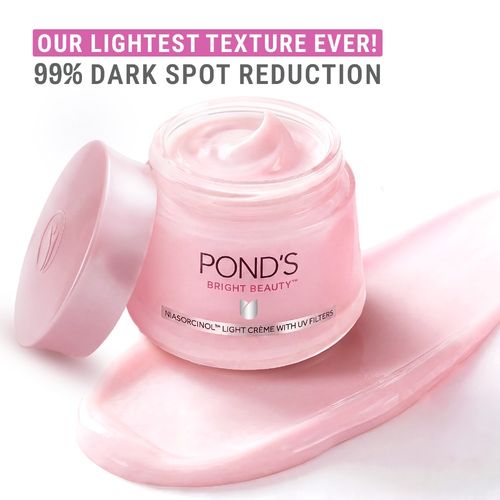
Best for: Everyday spot fading with daytime sun cover | Format: Light, fast-sinking day cream | Key actives: Niasorcinol (a niacinamide derivative), UV filters | Skip if: You need high-SPF protection for long hours outdoors
Ponds keeps this one simple, and that's the appeal. The cream sits thin on skin and disappears in under a minute, no white cast or tacky film, useful during humid Mumbai or Chennai mornings when heavier creams slide off by noon. Niacinamide research suggests it can slow pigment transfer into upper skin layers, which for brown skin tones means acne marks and PIH may fade gradually rather than dramatically. The built-in UV filter is light, so you'll still want proper sunscreen on top.
Who should use it: Anyone wanting a low-effort daily moisturiser that quietly works on old dark spots without a separate serum step.
Who should skip it: Anyone with stubborn melasma or deep pigmentation who needs stronger, targeted actives under dermatologist guidance.
Best for: Stubborn dark spots and uneven tone | Format: Lightweight, fast-absorbing serum | Key actives: Melasyl, 8% glycolic acid, niacinamide | Skip if: Your skin is reactive or already peeling
Glycolic acid resurfaces while niacinamide works on pigment transfer, and research suggests niacinamide may reduce how much melanin reaches the surface, which in practice means spots fade gradually rather than overnight. The texture is thin and slightly slippery, sinking in within a minute without that sticky film some serums leave behind. The tingle on application is real, though. On humid Indian summer days it layers well under sunscreen, but the acid content means daily sun protection isn't optional here.
Who should use it: Anyone dealing with post-inflammatory hyperpigmentation from old acne who wants exfoliation and pigment control in one step.
Who should skip it: Sensitive or compromised skin, or anyone already using a retinoid nightly.
Dark spots don't fade on a fixed timeline, and what suits oily monsoon-season skin won't suit a dry winter routine, so the right pick depends on texture and skin type as much as the active ingredient. This table breaks down eight formulas by what they're made for and who should pass.
Start your morning routine with a vitamin C or niacinamide serum on cleansed, dry skin, using three to four drops for the full face, both ingredients help calm existing pigmentation and give some defence against the environmental stress that darkens spots further, so timing matters.
Wait about a minute for it to sink in, then follow with a spot-targeting gel or serum containing tranexamic acid or alpha arbutin, applying a pea-sized amount just over the marks rather than the whole face, concentrating it where you need it avoids overloading skin that doesn't need treating.
Reserve exfoliating acids (AHA or BHA) for two to three nights a week, on nights you skip the vitamin C or spot serum, stacking actives on the same night is a common way to end up with irritation instead of fading.
Seal everything with a ceramide-based moisturiser, giving actives a couple of minutes to absorb first, this cuts down on the dryness and barrier stress that can make post-inflammatory marks look worse, not better.
New users should introduce one active at a time over two to three weeks before adding the next, while established users can run the full routine daily; either way, apply sunscreen every morning without exception and reapply every two to three hours outdoors, since India's UV intensity for most of the year keeps undoing progress overnight if skipped.
One habit worth building: store vitamin C serums away from bathroom heat and direct light, since humidity and warmth speed up oxidation and a serum that's turned brownish has lost most of its benefit.
Frequently Asked Questions
How do you get rid of dark spots on the face for good?
There's no permanent fix in one step, but consistency helps: pair a proven active like Vitamin C or niacinamide with daily SPF 30+, reapplied every 2-3 hours outdoors. Under India's sun, skipping reapplication is often why spots come back before they've fully faded.
Which skincare ingredients actually fade dark spots?
Vitamin C (including gentler forms like ascorbyl glucoside), niacinamide, alpha arbutin, kojic acid, and tranexamic acid have the most research behind them for pigmentation. Formulas combining two or three of these, like the Dot & Key serum's Vitamin C and niacinamide pairing, tend to address both active spots and overall dullness.
Which pigmentation cream is best in India?
It depends on your skin type and how much active concentration you can tolerate. The Derma Co's 2% Kojic Acid serum with alpha arbutin suits oilier, more resilient skin, while a lighter day cream like Pond's Bright Beauty works better for daily wear under makeup. Check the comparison table above for texture and use-case fit.
How often should you reapply a dark spot treatment?
Sunscreen-containing steps, like the Good Vibes Ubtan Day Cream SPF30, need reapplication every 2-3 hours if you're outdoors. Treatment serums are different: apply once or twice daily, ideally at night for actives like kojic acid or alpha arbutin that can increase sun sensitivity.
Can I use a Vitamin C serum and a niacinamide cream together?
Yes, most brown skin tones tolerate this combination well, and it's a common AM/PM layering approach. Apply the lighter serum first, let it absorb, then follow with cream or SPF. If you notice tingling or redness, space them out to alternate days instead.
Are the products sold on Purplle genuine?
Yes. Purplle runs on an inventory-led model, sourcing directly from brands and authorised distributors rather than allowing unverified third-party sellers to list products. That matters especially for active ingredients like kojic acid or tranexamic acid, where a diluted or mislabelled batch simply won't deliver the results you're paying for.
Will dark spot creams work on deep, old pigmentation marks?
Topical actives mainly target surface-level melanin and tend to work faster on recent post-inflammatory hyperpigmentation (PIH) than on marks that have sat for years. Deeper or stubborn pigmentation may need a dermatologist's input alongside your routine, since some marks sit lower in the skin than over-the-counter actives can reach.
12-Week, Single-Center Study of a Targeted Pigment-Correcting Dark Spot Treatment for Post-Inflammatory Hyperpigmentation and Solar Lentigines. pmc.ncbi.nlm.nih.gov. https://pmc.ncbi.nlm.nih.gov/articles/PMC10544009


![L'Oreal Paris Glycolic Bright 8% [Melasyl + Glycolic + Niacinamide] face serum for Dark Spot & Brightening, 15 ml](https://media6.ppl-media.com/tr:h-250,w-250,c-at_max,dpr-2/static/img/product/388425/l-oreal-paris-glycolic-bright-skin-brightening-serum-15ml-1-percentage-glycolic-acid-serum-for-dark-spots-pigmentation-and-uneven-skin-tone-18-13_10_display_1785236606_aa41f2a0.jpg)