PurplleBlog HomeGood Moisturizer For Dry Skin: What Ingredients To Look For And Best Options In India
Good Moisturizer for Dry Skin: What Ingredients to Look For and Best Options in India
Written by Ananya Rao, Purplle Beauty Editor (5 years in skincare journalism, 400+ products tested)
Medically reviewed by Dr. Anjali Desai, MBBS, MD (Dermatology), Fellowship in Pediatric Dermatology
Last updated: 10 September 2026Reading time: 15 minutes
Key Takeaways
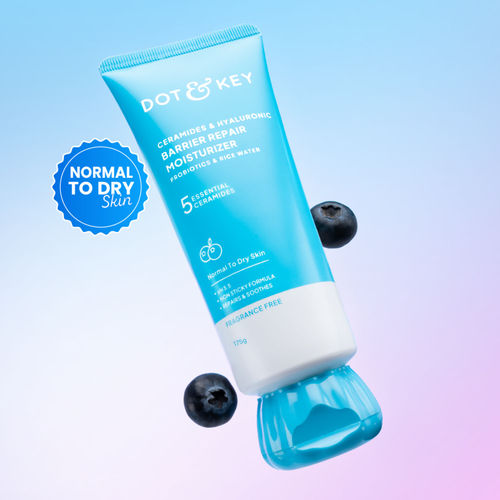
• Dot & Key Ceramides & Hyaluronic Barrier Repair Moisturizer combines all five essential ceramides with probiotics and rice water for dry-skin barrier repair.
• Research suggests that combining a humectant like hyaluronic acid with an occlusive can boost skin hydration by up to 40% in dry conditions.
• Purplle stocks a full range of dry-skin moisturisers, from budget ceramide formulas to premium niacinamide-rich options, ensuring choices for every skin type and pocket.
• Glycerin and hyaluronic acid are humectants that draw moisture into skin; ceramides are occlusives that seal it in—this layering is how dry skin truly hydrates.
The Quick Answer
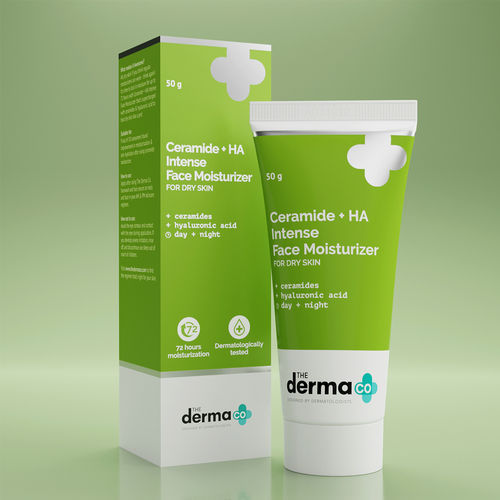
For dry skin, the pick worth starting with on Purplle is the Dot & Key Ceramides & Hyaluronic Barrier Repair Moisturizer, a dense, slow-sinking cream built around five ceramides, hyaluronic acid and rice water. Research suggests ceramides help the barrier hold onto water, which in practice means fewer tight, flaky patches by evening and less stinging when you layer an active over it. Its jar packaging means you'll need clean fingers every time. If you want to spend less, The Derma co. Ceramide + HA Intense Daily Face Moisturizer gives you a similar ceramide-and-HA base in a lighter, quicker-absorbing lotion, though the smaller tube runs out fast if you're using it on face and neck. Skip a heavy barrier cream entirely if your skin only turns dry in patches and stays oily elsewhere — a gel-cream will sit better.
Worth knowing: dryness in India is usually seasonal, spiking in North Indian winters and inside air-conditioned offices year-round, so many people need two textures, not one.
Why This Matters
Dry skin doesn't behave the same way in a Mumbai monsoon as it does in a Delhi winter, and that's really the starting point here. When humidity drops, whether that's air-conditioned offices running most of the year or the dry chill that hits north Indian cities from November through February, skin loses water faster than it can replace it. The technical term is transepidermal water loss (TEWL), and in plain terms it just means moisture is escaping through the skin's outer layer faster than the body can top it up, leaving skin tight, flaky, or dull by evening.
The skin barrier is what's supposed to prevent this. Research suggests ceramides, a natural fat found in the skin's outer layer, help hold that barrier together, and when they're depleted, moisture loss speeds up and irritation becomes more likely. For anyone whose skin feels fine in the morning but rough and dry by the time they're heading home, a weakened barrier is often the real reason, not just "dry air."
This matters more for people who wash their face frequently through the day, use active ingredients like retinoids or exfoliating acids, or live in regions with harsh tap water, since all of these can strip the barrier further. It also matters for coastal cities where humidity swings between a wet monsoon and a surprisingly drying AC-heavy summer indoors. The right moisturizer isn't one-size-fits-all here; it depends on how much water your skin is actually losing and how fast.
How We Choose Our Products
We started with ingredients that genuinely hold water in dry skin — ceramides, glycerin, hyaluronic acid, squalane, and worked outward from there. Verified ratings and review counts helped, though mostly as a sanity check against what the ingredient list already promised. Price-value counted too, because a moisturizer you ration is a moisturizer that stops working by week three. Since this covers the whole market and not just Purplle's own labels, several picks here are competitor brands that earned their spot on merit. Indian conditions shaped the shortlist as well: a cream that feels right through a Delhi winter can sit heavy in Chennai humidity. Each pick carries one honest limitation.
Good Moisturizer for Dry Skin: What Ingredients to Look For and Best Options
Dot & Key's Ceramides & Hyaluronic Barrier Repair Moisturizer earns the top spot for dry skin because five ceramides plus rice water leave a soft, non-tacky film that held up through a full North Indian winter without needing a midday reapplication.
Best for: Dry, tight skin that needs barrier repair | Format: Rich cream that sinks in without film | Key actives: Ceramides, hyaluronic acid, probiotics, rice water | Skip if: You want something weightless for humid months
Ceramides do the quiet work here. Research suggests they help hold moisture in and calm irritation, which for dry skin means fewer flaky patches by evening and less of that tight feeling after a face wash. The cream feels cushiony going on, with a faint milky-clean scent that fades fast. It's heavier than most gel creams, though, so during a sticky Mumbai monsoon week you may want to save it for nights only.
Who should use it: Anyone whose skin gets rough, tight or flaky through North Indian winters or after months of air-conditioned rooms.
Who should skip it: Oily or acne-prone skin looking for a light daytime layer.
Best for: Dry, tight skin that needs barrier repair | Format: Lightweight cream, non-greasy finish | Key actives: Ceramides, hyaluronic acid, glycerin | Skip if: You want a rich, heavy occlusive balm
The texture surprises most people, it's a soft cream that sinks in within a minute rather than sitting on top, which matters if you live somewhere humid like Mumbai or Chennai and can't tolerate anything heavy. Ceramides sit in the skin's lipid matrix, and research suggests they help hold hydration in and calm irritation, so flaking and that post-face-wash tightness ease over a few weeks. The unscented formula is plain, almost clinical. In a harsh North Indian winter, very dry skin may need a facial oil layered over it at night.
Who should use it: Anyone with normal-to-dry, sensitive, or barrier-compromised skin who wants hydration without a greasy film.
Who should skip it: Those with very dry, cracked skin in peak winter who need a thicker occlusive, or anyone who prefers a scented moisturizer.
Best for: Very dry, tight-feeling skin | Format: Rich lotion-cream | Key actives: Ceramides, hyaluronic acid, glycerin | Skip if: You're acne-prone and clog easily
This one earns its place on ingredient logic. Ceramides are part of the skin's own lipid matrix, and research suggests they help hold water in and calm irritation, which for you means less of that tight, papery feeling by evening. It sinks in with a slightly cushiony slip and no strong fragrance. The finish leans dewy, though, so if you live somewhere humid like Mumbai or Chennai, it can feel heavy under makeup by mid-afternoon.
Who should use it: Anyone whose skin flakes or stings after cleansing, especially through North Indian winters when the air turns dry.
Who should skip it: Oily or congestion-prone skin that already feels comfortable with a lighter gel.
Best for: Dry, tight skin that needs barrier repair | Format: Thick cream that melts into a satin finish | Key actives: Ceramides, hyaluronic acid, probiotics, rice extract | Skip if: Your skin turns oily by noon
The ceramide-and-hyaluronic pairing here does the sensible thing for dry skin: research suggests ceramides help hold water in and calm irritation, which in practice means less of that tight, papery feeling after a wash. It's a dense cream that needs about twenty seconds of warming between the palms before it spreads properly, and it settles without stickiness. Honest limitation: in Mumbai's humid stretch, it's heavier than most oily-combination skin will want on a summer morning.
Who should use it: Anyone whose face feels tight and flaky in winter or after AC-heavy days, especially if a lighter lotion has stopped being enough.
Who should skip it: Skip it if you're acne-prone in the T-zone or already reach for gel textures year-round.
Best for: Everyday dryness that flares in winter air-con and North Indian winters | Format: Lightweight cream that sinks in fast | Key actives: Squalane, hemp seed oil, hyaluronic acid, probiotics, rose | Skip if: You dislike floral scent
Squalane and hemp oil do the heavy lifting here, softening the tight, papery feel dry skin gets after a hot shower. The rose note is soft and real, not synthetic-sweet, and it fades within a few minutes. Texture is closer to a thin cream than a rich balm, so very dry, flaking skin in peak winter may want a heavier layer or a facial oil on top at night. Absorbs without residue.
Who should use it: Normal to dry skin looking for a daily moisturizer that hydrates without feeling heavy under sunscreen or makeup.
Who should skip it: Anyone sensitive to fragrance, or with severely dry, compromised skin that needs a thicker occlusive.
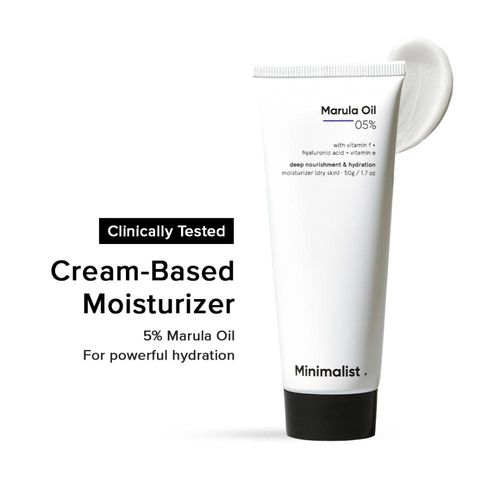
Best for: Very dry, tight-feeling skin | Format: Rich cream that sinks in without film | Key actives: 5% marula oil, hyaluronic acid, vitamin F and E | Skip if: You're oily or acne-prone
Marula oil does the heavy lifting here, and you feel it, the cream starts thick on the fingertips, then melts down to something soft rather than greasy. It's the kind of texture that earns its place in a Delhi winter or an over-airconditioned office, where skin goes tight by mid-afternoon. Fragrance is faint but present, which some sensitive skin won't want. Fatty acids like these may help support the barrier, meaning less of that flaky, stinging feeling after cleansing.
Who should use it: Anyone whose dry skin needs occlusive comfort through cold, dry months without a heavy mask-like layer.
Who should skip it: Oily or breakout-prone skin, and anyone avoiding added fragrance.
Best for: Everyday dry-skin hydration | Format: Lightweight cream, non-sticky finish | Key actives: Ceramides, hyaluronic acid, niacinamide | Skip if: You want a rich, heavy overnight balm
This one sits closer to a light cream than a thick balm, and it sinks in without that tacky film that makes makeup slide. The ceramide content matters here, research suggests ceramides help hydration and support barrier repair, which in practice means less of that tight, flaky feeling after a North Indian winter shower. Fragrance is faint but present. Genuinely dry, cracked skin may need something heavier layered over it at night.
Who should use it: Dry or dehydrated skin that still wants a light finish under sunscreen or makeup.
Who should skip it: Anyone with very dry, compromised skin who needs an occlusive, heavier overnight cream.
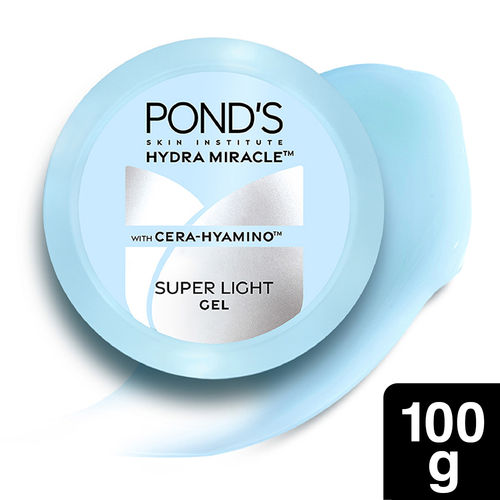
Best for: Dry skin that hates heavy creams | Format: Lightweight water-gel | Key actives: Hyaluronic acid, glycerin, vitamin B3 | Skip if: Your skin needs rich winter-grade barrier repair
Gel moisturisers get a bad reputation with dry skin, but this one earns its place in Indian summers and humid coastal months when a cream feels suffocating. It sinks in with a cool, watery slip and leaves almost no film behind, you can layer sunscreen over it within a minute. The honest catch: on genuinely parched or flaky skin, or through a dry North Indian December, it won't hold hydration long enough on its own. Reapplication is part of the deal.
Who should use it: Anyone with mildly dry or combination skin who wants hydration without shine, especially through warm, sticky weather.
Who should skip it: Skip it if your skin flakes by afternoon or you need a ceramide-rich cream to rebuild a compromised barrier.
Dry skin in India faces two very different stress tests each year, dehydrating AC blast through summer, then dry winter wind in the north that strips whatever moisture barrier was left. A good moisturizer needs ceramides or hyaluronic acid doing real barrier work, not just a thick texture that feels heavy for a few hours and wears off by afternoon. Here's a fast look at eight options before the deeper breakdown below. Rich ceramide creams like the Dot & Key barrier repair pick anchor one end of this table for genuinely dry, flaky skin, while gels and lightweight lotions sit at the other end for combination skin that only turns dry during peak AC exposure or a short winter spell; the right pick depends on how your skin actually shifts across seasons rather than a single fixed "dry skin" label.
Apply your moisturizer within two to three minutes of cleansing, while skin is still faintly damp. Damp skin traps water underneath the cream, so ceramides and humectants lock in moisture instead of sealing dry skin as-is.
Use a nickel-sized amount for the full face and neck, slightly more if you're in Delhi's dry winter or running an AC-heavy office through summer. Too little leaves patches under-fed, and too much just sits on top and pills under makeup.
Press it in with your palms rather than rubbing, and wait roughly sixty seconds before layering sunscreen. That pause lets the formula settle into the barrier so SPF glides on evenly instead of balling up.
Pair it after any actives (retinol, vitamin C) at night, never before, so the moisturizer buffers rather than blocks penetration. If you're new to a ceramide-based formula, patch-test on your inner arm for two nights before using it on your face.
Reapply once daily is enough for most dry skin; established users in peak monsoon humidity can drop to a lighter layer at night.
Keep the jar or tube capped tightly and away from direct sun on your bathroom shelf, since heat and light break down actives faster than the label date suggests.
Frequently Asked Questions
Are the products sold on Purplle genuine?
Yes, Purplle runs an inventory-led model, sourcing directly from brands and authorised distributors rather than letting unverified third-party sellers list products, so what you order matches what's on the label.
What ingredients should you look for in a moisturizer for dry skin?
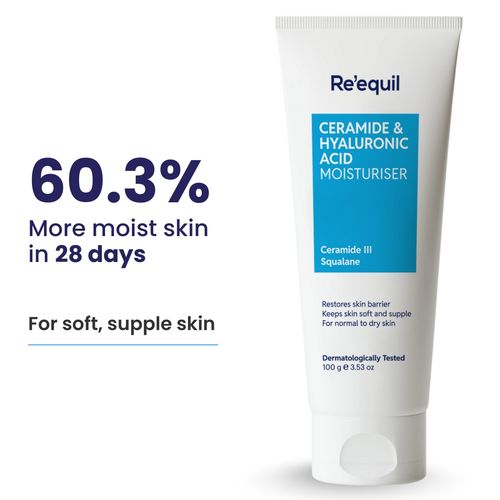
Prioritise humectants like hyaluronic acid and glycerin to pull in moisture, ceramides to rebuild the barrier, and an occlusive (shea butter, petrolatum, squalane) to seal it in. The Re'equil Ceramide & Hyaluronic Acid Face Moisturizer covers the first two well.
Which moisturizer works best for dry skin through North Indian winters?
A richer, occlusive-forward cream holds up better once humidity drops. The Dot & Key Ceramides & Hyaluronic Barrier Repair Moisturizer with Probiotics & Rice Water leans into that with five ceramides for extra barrier support during dry, cold months.
Is there a lighter option if my skin is dry but not flaky?
The Minimalist 5% Marula Oil Moisturizer pairs hyaluronic acid with marula oil for a less occlusive, everyday-wearable texture that still addresses dryness without feeling heavy under makeup.
How do ceramides actually help dry, barrier-compromised skin?
Ceramides are lipids that sit in the skin's outer layer and slow water loss through it. Research suggests they also support faster barrier recovery after damage, which in practice means less tightness and flaking day to day.
Can a fragrance-free moisturizer still be effective for dry skin?
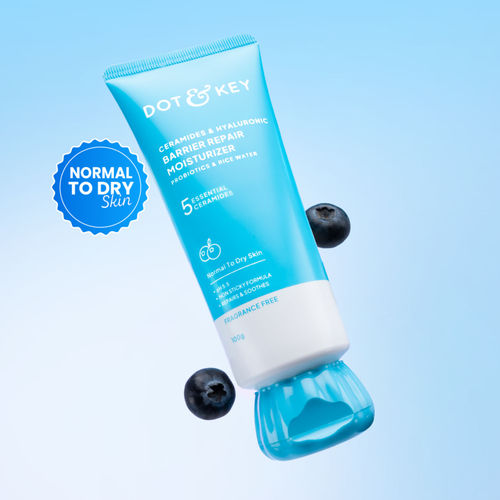
Yes, fragrance isn't what hydrates skin, so removing it doesn't cost you efficacy. The Dot & Key fragrance-free 100g version keeps the same ceramide-hyaluronic acid combination, useful if your dry skin also reacts to added scent.
Do I need a different moisturizer for humid coastal cities versus dry inland winters?
Broadly yes, thick, ceramide-heavy creams can feel too rich in Mumbai's humidity, while gel-creams may under-moisturise Delhi's dry winter air. Matching texture to season and region matters more than chasing one "best" formula.
References
Nawaz T, Shin J, et al. A Split-Face Micro-Needling Study to Evaluate the Efficacy and Consumer Perception of a Novel Moisturization Agent. Journal of cosmetic dermatology. 2025;24(3):e70109. https://pubmed.ncbi.nlm.nih.gov/40099382/