
Skincare
Acne in Monsoon
Payal Bhattacharya
Everyone loves the monsoon. Everything is so enticing and calming: the smell, the cool atmosphere, and the sound of rain. These things come to our minds when we think of the monsoon.
However, for acne-prone skin, the monsoon can be a nightmare. A humid atmosphere coupled with heavy rainfall and high humidity levels gives bacteria more opportunity to thrive on your skin, causing breakouts in monsoon pimples.
Do you have oily or combination skin prone to acne and blackheads?
Do you want your skin to not break out during the monsoon season?
Then read on to find out how to keep your skin clean and clear this monsoon.
How is Acne Caused?
Simply put, a clog triggers acne in your pores. It can happen for various reasons, including genetics, diet, stress, and hormonal fluctuations.
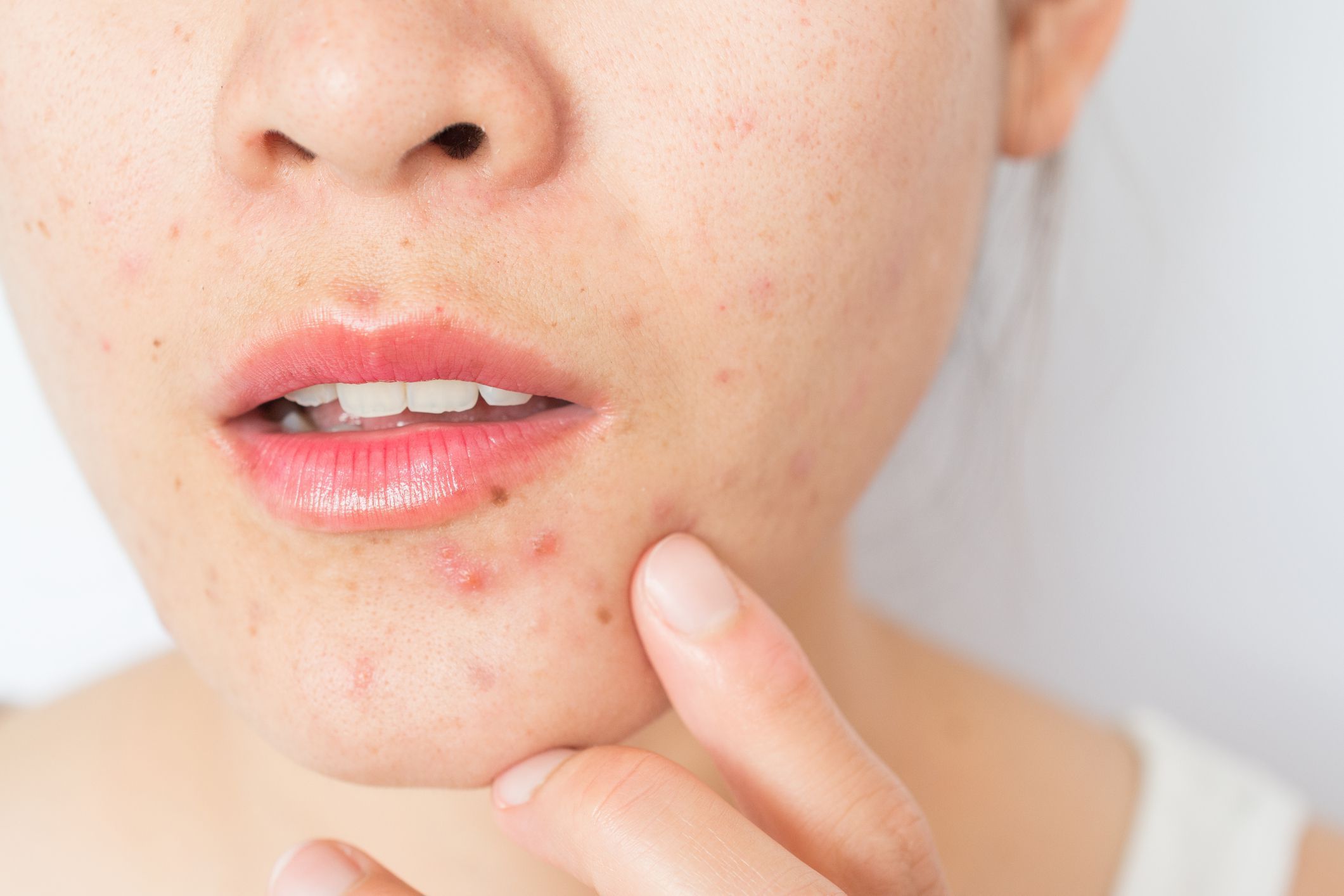
You will notice small red bumps on your skin when you have acne, usually on your face, chest, or back. And if left untreated, these bumps can become pustules and lead to cystic acne, the most severe form of acne.
A pimple appears when your pores get clogged up with excess sebum (oil), dead cells, and bacteria, leading to inflammation. When you have an increase in the secretion of oil, the natural bacteria on your skin can get trapped in your pores, causing acne.
How is Monsoon Acne Caused?
During monsoon, your body is fighting against the outside world, and your skin is trying to fight off the harmful elements that can damage it.
A sudden change in weather, especially after a prolonged period of dry weather and with the monsoon around the corner, can lead to havoc on your skin.
When the weather changes, your skin goes through a transformation too. The humidity levels in the air rise, causing the skin to become oily. As a result, sweating is more common, making your pores more vulnerable to infection.
Factors Contributing to Monsoon Acne
Below are some factors that influence monsoon acne.
a) Your diet

You can’t change the weather, but you can certainly change your diet and lifestyle to prevent acne.
First, make sure you eat a healthy diet rich in vegetables, fruits, and whole grains while reducing your sugar and dairy product intake. Proteins are essential for the health of your skin. Also, stay away from junk food and carbonated drinks.
b) Your hygiene
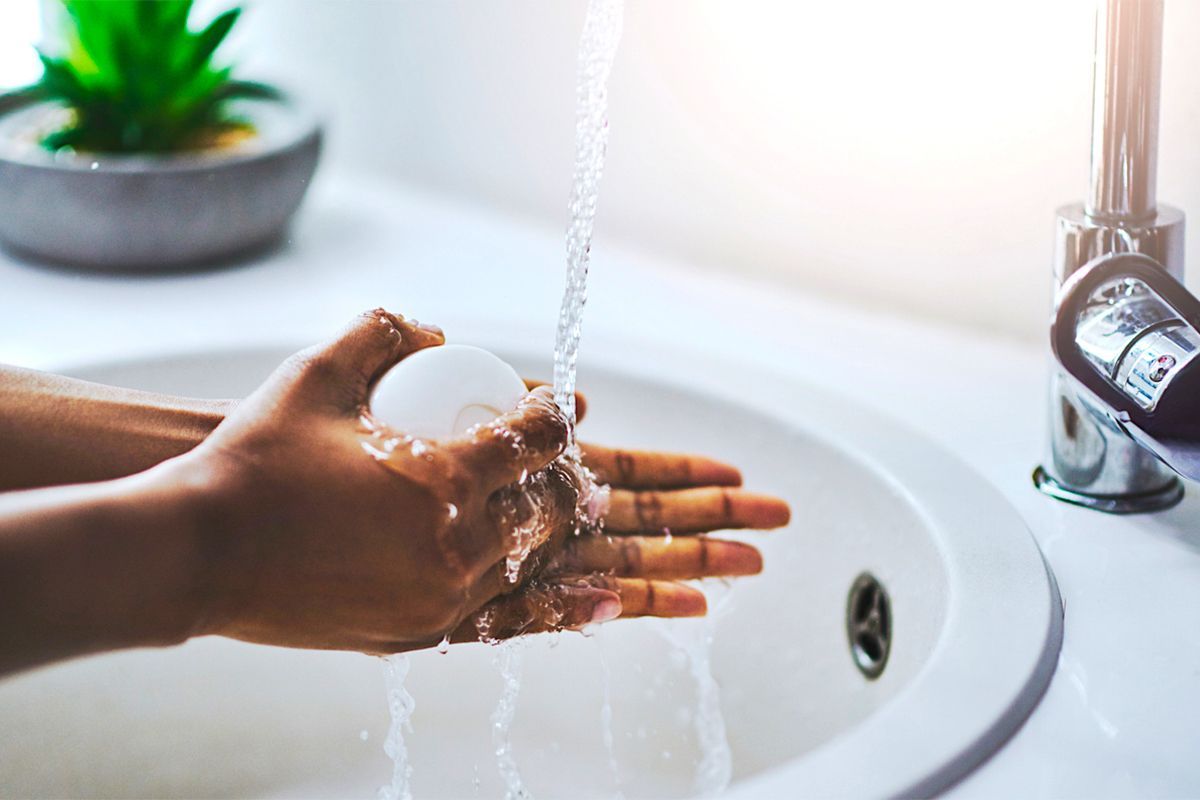
Cleanliness is necessary to stay healthy, but you don’t have to be obsessive about it. For example, over-cleansing your skin will strip off the natural oils, which are essential for the health of your skin.
c) The weather

The humidity levels in the air rise during the monsoon, making your skin more oily and prone to acne in the rainy season. In addition, the heavy rainfall makes your skin more vulnerable to infection.
d) The pollution
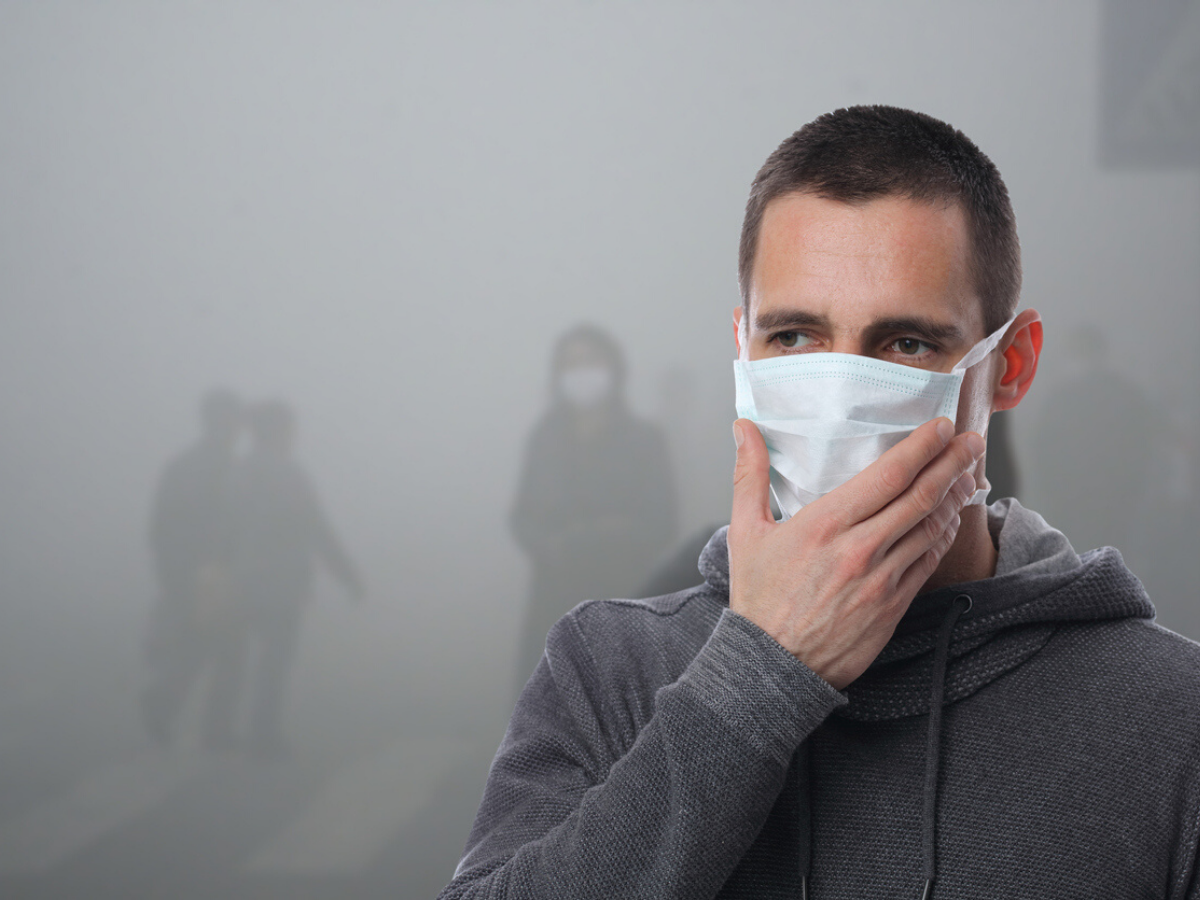
The pollution levels during monsoon are very high. It will affect your skin, making it more oily and prone to acne in the rainy season.
Monsoon Acne Treatment: Tips to Avoid Acne in the Rainy Season
Here are some tips you can follow to tackle acne in the monsoon.
a) Wash your face twice a day.
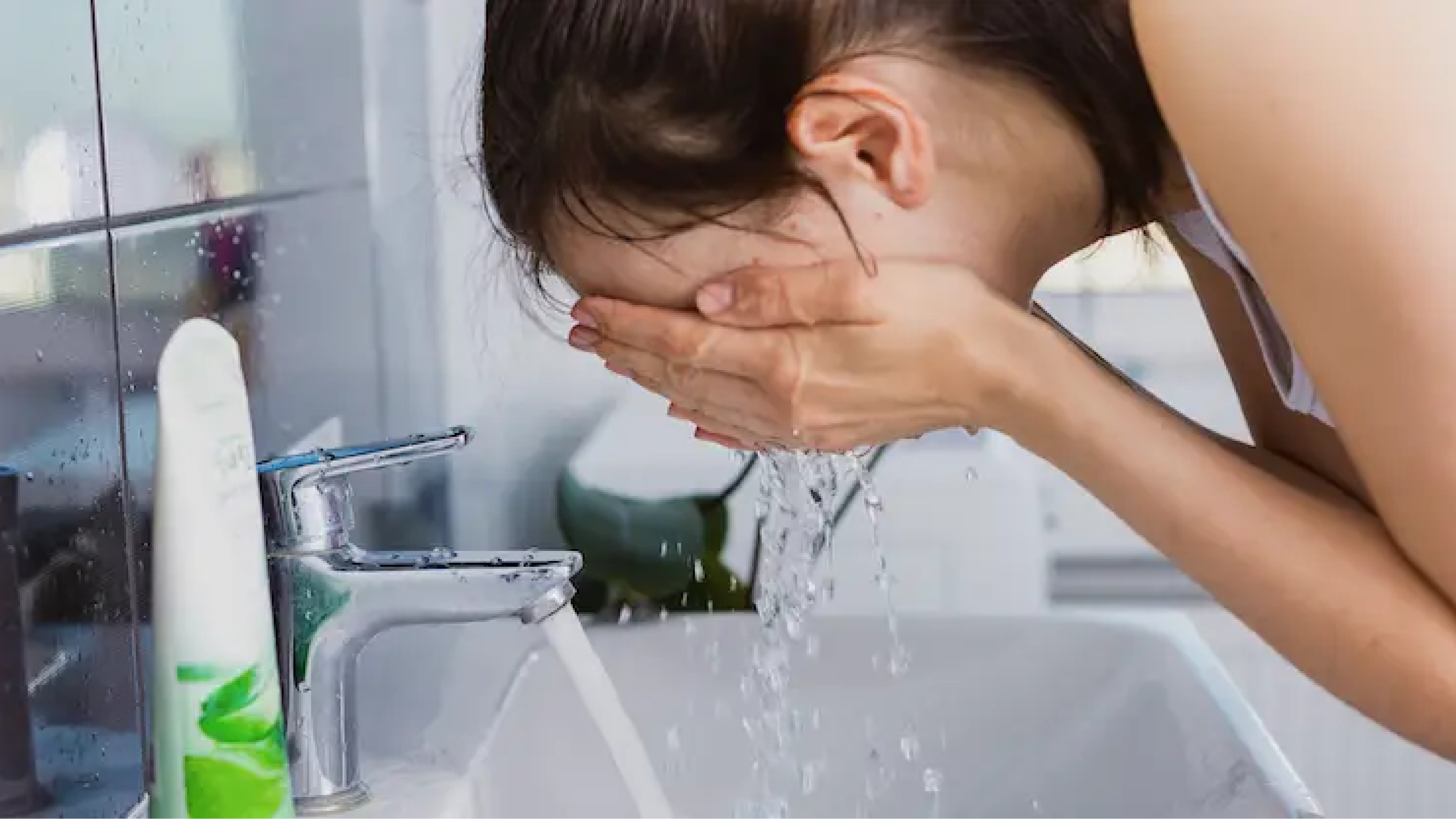
Wash your face twice daily to clean the dirt from your skin and make your pores less prone to acne.
Checkout: Finding The Best Cleanser For Acne
b) Use a face wash suitable for your skin.

A face wash with salicylic acid is great for individuals with oily or combination skin to keep the skin clean and clear. Dry skin people can opt for a tea tree oil-based face wash. Tea tree oil has disinfectant properties, which will help to ward off bacteria and clean your pores.
Face washes with glycerin are best for those with sensitive skin. Glycerin won’t be too harsh on your skin.
Checkout: 10 best acne prone skin face wash available in india
c) Use a face scrub once a week.
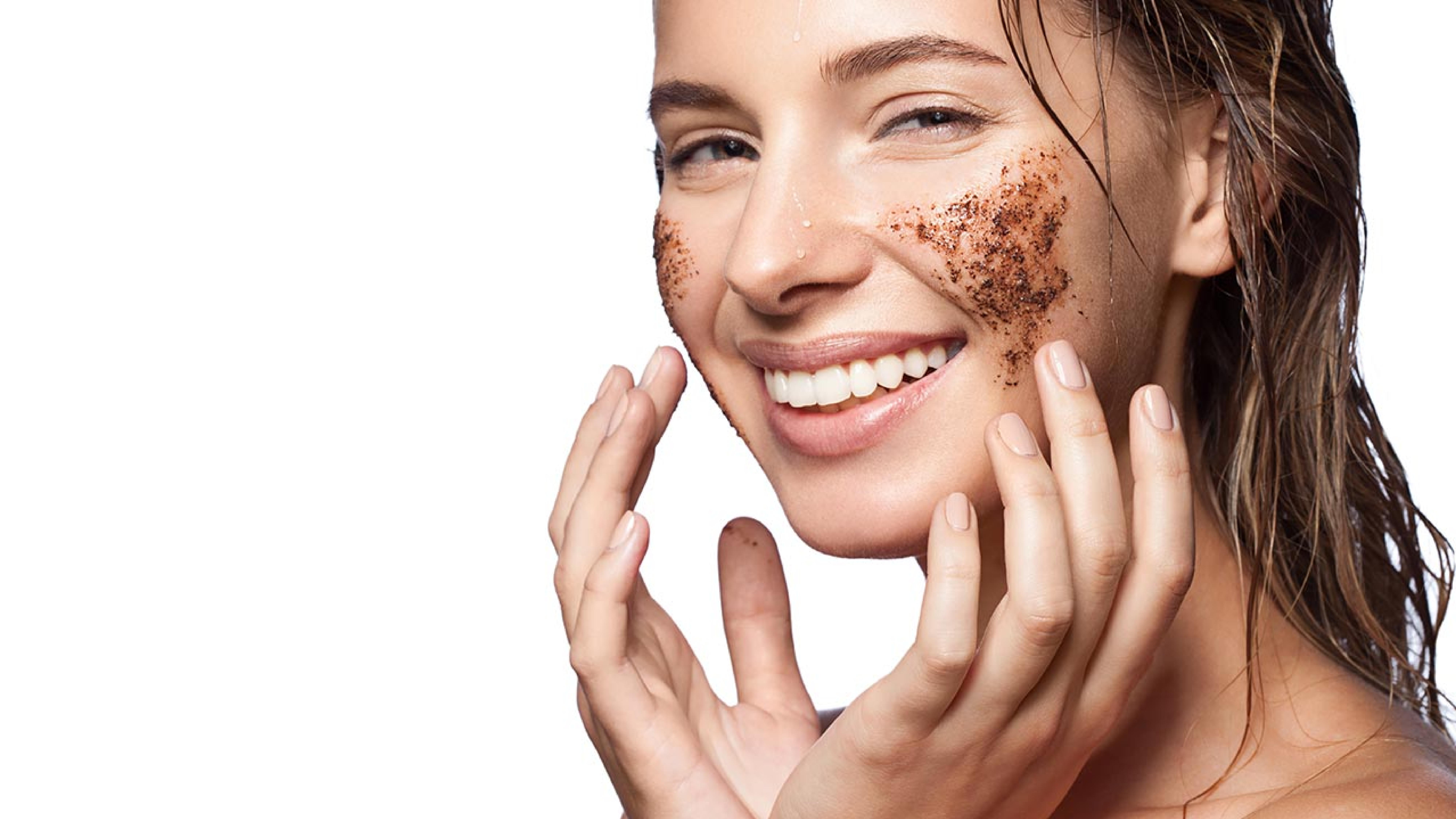
If you have oily or combination skin, go for a face scrub once a week to remove the dead cells from your skin and keep it clean.
d) Use a face toner.
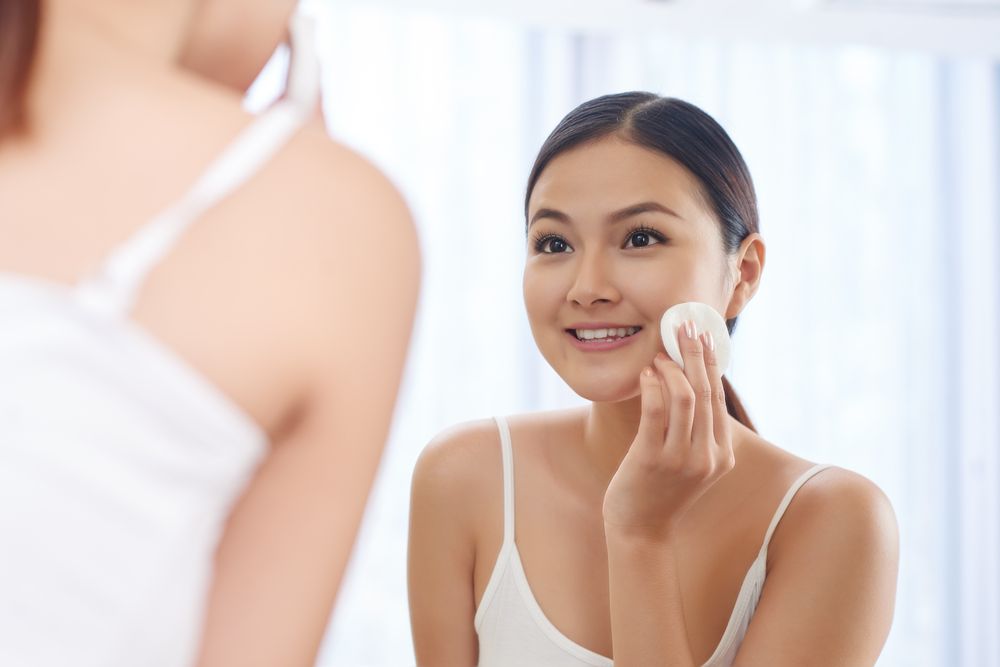
After washing your face with a face wash, choose a toner, preferably with salicylic acid, to remove all the extra oil from your face.
Checkout: Best Face Toners Guide for Clear, Acne-Free, and Hydrated Skin
e) Drink a lot of water.
Stay hydrated and avoid the use of caffeine, which can cause an increase in the oil secretion from your skin.
f) Apply an acne spot treatment twice a day.

If your face breaks out, use an acne spot treatment twice a day to eliminate the acne.
g) Exfoliate once a week.

Exfoliating once a week will help unclog your pores, preventing breakouts on your face.
h) Use a face mask twice a week.

Use a face mask, preferably a hydrating one, twice a week to keep your skin moisturised and healthy.
Final Words
The weather is a double-edged sword, as it can damage your skin and also provide benefits to your skin. The trick is to keep your skin hydrated and nourished to stay free of acne during the monsoon.
Visit Purplle magazine for more insightful articles.
FAQs
1. What is the best way to treat acne during monsoon?
There are various ways to treat acne during the monsoon. Firstly, you need to change your skincare routine. Then, use anti-acne products, such as salicylic acid, tea tree oil, etc. You can also visit your dermatologist once in a while to prevent acne.
2. Why is my skin oily during the monsoon?
High humidity levels can lead to oily skin, which can be a breeding ground for acne, greasy skin, and blackheads.
3. What is the effect of rainfall on your skin?
While the rain is a welcome break from the summertime, the temperature shift may exacerbate skin sensitivity and dryness, leaving it more susceptible to irritation, inflammation, and infection.
Read more:
- The best skincare routine for acne prone skin
About Payal Bhattacharya
Payal is an editor at Purplle.com. She believes that the world will be a much better place if everyone owns a cat, it’s bizarre but true. She’s very sensitive and particular about her skincare routines and never skips it even for a single day. She loves to read about intimate hygiene and educate herself about female and male personal care which clearly reflects in her writings.
Latest Articles