
Skincare
Sunscreen With SPF 15-20 Decoded
Sonal Trivedi
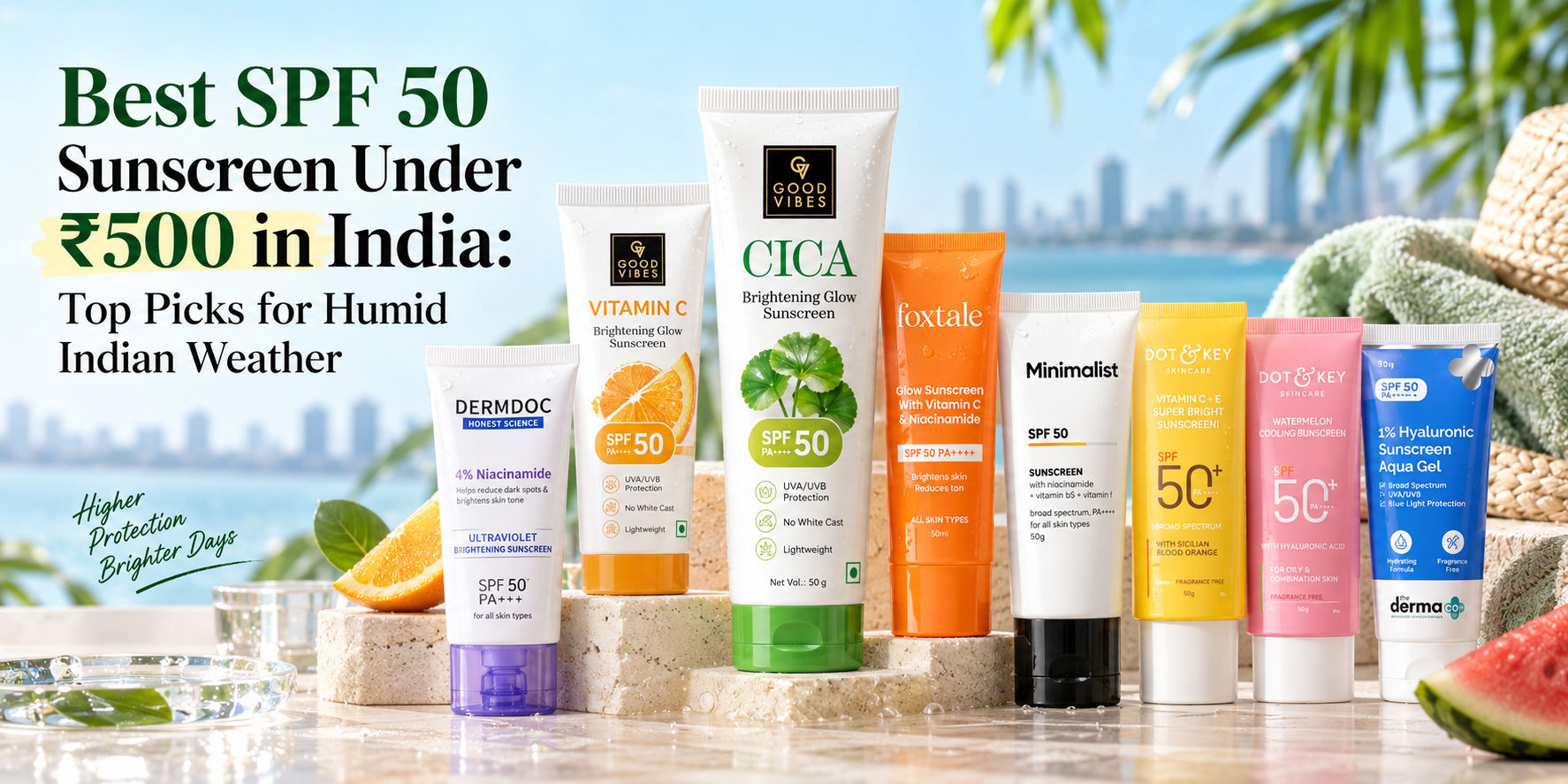
Theoretically, applying sunscreen with a higher SPF would allow you to bare your skin for longer hours before suffering sunburn. Someone who would normally redden after 30 minutes in the midday sun could stay out for longer hours. But this does not apply to everyone. A lot of other factors are taken into consideration before selecting a SPF number. An inappropriate SPF number could pose as a threat to your health. Irrelevant SPF number may trigger skin allergies. While that is true that higher SPF serves longer protection but high SPF sunscreens require higher concentrations of sun-filtering chemicals and some of the ingredients may turn out to be harmful to certain skin types. Read more about Best Sunscreens & Lotions for all Skin Types here!
Types of Sunscreen
1. SPF 15-30 for UVB protection:
The SPF factor rates how effective the sunscreen lotion is in preventing sunburn caused by UVB rays. If you'd normally burn in 10 minutes, SPF 15-30 multiplies that by a factor of 15-30, meaning you could go 150-200 minutes before burning. For the vast majority of people, SPF 15-30 is fine. But people who have very fair skin, a family history of skin cancer, or conditions like lupus that increase sensitivity to sunlight should consider SPF 30 or higher.
Keep in mind that the higher the SPF, the smaller the increased benefit: contrary to what you might think, SPF 30 isn't twice as strong as SPF 15-30. While SPF 15-30 filters out 93% of UVB, SPF 30 filters out 97%, only a slight improvement.
2. UVA protection:
There is no rating to tell you how good a sunscreen is at blocking UVA rays. So when it comes to UVA protection, you need to pay attention to the ingredients. Look for a sunscreen cream that contains at least one of the following: ecamsule, avobenzone, oxybenzone, titanium dioxide, sulisobenzone, or zinc oxide. Any of those should do the trick.
3. Kid-friendly sunscreen:
The sensitive skin of babies and children is easily irritated by chemicals in sunscreens with higher SPF, so avoid sunscreens with para-aminobenzoic acid (PABA) and benzephenones like dioxybenzone, oxybenzone, or sulisobenzone. Sunscreens with SPF 15-30 use ingredients less likely to irritate the skin. Unlike chemical ingredients, these protect babies skin without being absorbed. For kids 6 months or older, look for a sunscreen lotion designed for children with an SPF of 15-30.
4. Sunscreen for skin problems or allergies:
People who have sensitive skin or skin conditions like rosacea may also benefit from using best sunscreens with SPF 15-30. Go for titanium dioxide or zinc oxide instead of chemicals like para-aminobenzoic acid (PABA), dioxybenzone, oxybenzone, or sulisobenzone. If you have skin irritation or allergies, avoid sunscreens with alcohol, fragrances, or preservatives.
Sunscreen is an important part of a sun protection regimen that should also include seeking the shade, avoiding UV tanning, and wearing protective clothing, including a broad-brimmed hat and UV-blocking sunglasses. By educating yourself about the right SPF number, you can be confident that the product you choose will fit your particular needs, offering you the best protection from the sun’s harmful rays — and helping to ensure that you use it regularly. After all, the sunscreen you apply consistently is the best sunscreen of all. You can even go for sunscreens with SPF 31 - 45!
Buy best sunscreen in India online @Purplle.com!
Read More:
- Sunscreen for Combination Skin
About Sonal Trivedi
Sonal is a sub-editor at Purplle.com. Besides having a flair for writing, she enjoys binge-watching true crime shows and cooks the best mutton biryani among everyone she knows. Her expertise lies in hair care as she’s always trying out some home remedies or experimenting with new launched products. She’s also an expert in beauty for men and talks about everything that guys need for their skin, hair and personal care. She writes about the tried and tested methods from her hair care routine which can never go wrong.
Latest Articles